Your Complete Guide to Making Bouncing Bubbles: A Craft Tutorial for Everyone
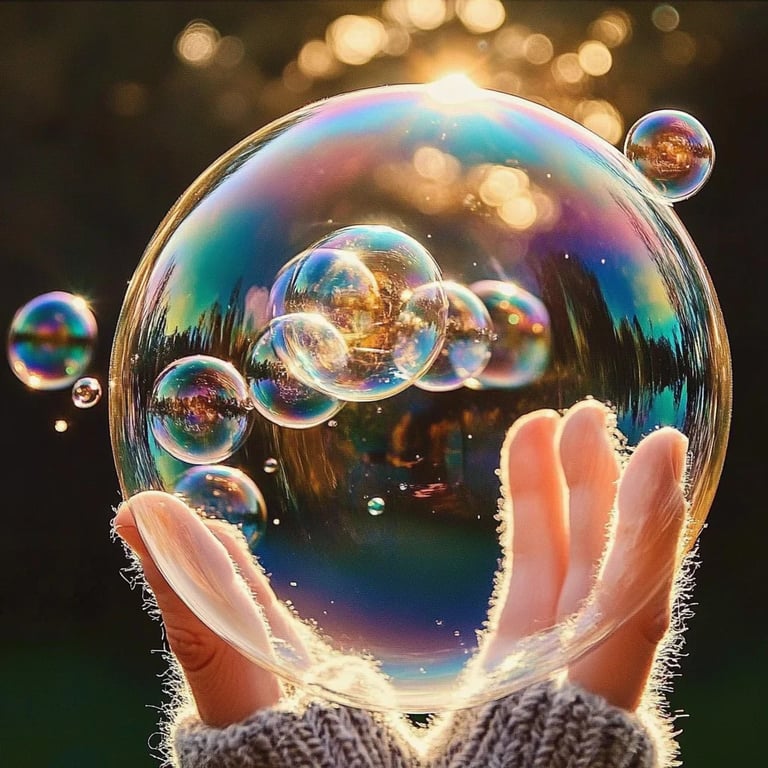
Ah, the magic of bubbles! Who among us can resist the allure of colorful, shimmering spheres gliding gracefully through the air? There's something almost hypnotic about them. Today, I'll be sharing my all-time favorite bubble-making project: Bouncing Bubbles! These playful little wonders can bounce off surfaces instead of popping, making them a delightful surprise for kids and adults alike. Whether you’re planning a backyard party, a family reunion, or simply want an engaging afternoon with your kids, bouncing bubbles are sure to enchant!
Why Bouncing Bubbles?
Bouncing bubbles are not just fun; they also spark curiosity and joy. I love seeing the delight on children's faces when they discover how they can catch the bubbles without them bursting. This unique twist on the classic bubble experience opens up a world of imaginative play and creativity. You can use them for various occasions like birthday parties, science fairs, outdoor gatherings, or simply to brighten a dull day at home. So, let's dive into how to make your very own bouncing bubbles!
The Science Behind Bouncing Bubbles
Before we get started, let’s take a moment to appreciate the science behind these charming bubbles. Traditional bubbles pop because the thin film of liquid, mainly water and soap, has physical limitations—especially when they come in contact with sharp surfaces like fingers or grass. Bouncing bubbles are made with a special formula that allows them to maintain their structure even upon contact with certain surfaces. The addition of certain ingredients, such as glycerin, creates a more durable bubble.
Gather Your Materials
For this project, you'll need a few simple, accessible materials. Here’s what you’ll need:
- 1 cup distilled water: Distilled water is free from minerals and impurities that can affect the bubble’s surface tension.
- 1/4 cup dish soap: Use a gentle dish soap that’s known for its lathering quality; the one I always use is Dawn or Palmolive.
- 1/4 cup corn syrup (or glycerin): Corn syrup adds thickness and helps make the bubbles stronger. Glycerin can be used as a substitute for those looking for a sugar-free option.
- A clean, wide container: A shallow bowl or a baking dish works well.
- Bubble blowing wand or straw: You can even make your own bubble wands using wire or pipe cleaners.
Step-by-Step Tutorial to Create Bouncing Bubbles
Step 1: Mix the Ingredients
I like to start my bubble-making adventure with a clean container. Begin by pouring the distilled water into the container, ensuring there’s enough room for mixing. Slowly add the dish soap, being careful not to create too many bubbles while pouring. Next, include the corn syrup or glycerin, gently stirring the mixture with a wooden stick or spoon until everything is well combined. Remember: the gentler you are, the fewer bubbles you’ll create during mixing, which is essential for a good bubble solution.
Tip: Allow the solution to sit for 2-3 hours (or even overnight) before use. This resting period helps the ingredients mingle and enhances the bubble’s elasticity.
Step 2: Create Your Bubble Wand
Now that your bubble solution is ready, let’s make a bubble wand. You can use anything from a standard store-bought wand to a simple homemade one. If you want to make one, grab a pipe cleaner, bend it into a circle, and twist the ends to create a handle. The size of the circle will determine the size of your bubbles; larger circles yield bigger, bouncier bubbles!
Step 3: Dip and Blow!
With your wand ready and your solution mixed, it’s time to make some bubbles! Start by dipping your wand into the bubble solution. Pull it out slowly to let the excess bubble solution drip off. Then, gently blow through the wand. If you've created a well-balanced recipe, you should see bubbles forming and slowly starting to float away.
What Could Go Wrong? If bubbles are popping too quickly, consider adjusting your solution. Maybe try adding a touch more corn syrup or glycerin—a little bit can make a big difference.
Step 4: Experiment with Bounce!
Now comes the fun part—watching the bubbles bounce! To maximize the bouncing effect, try blowing your bubbles onto surfaces like grass or soft fabrics. You’ll notice that they hold their shape better on these surfaces. However, avoid trying this on sharp or rough surfaces (like concrete), as this can result in a bubble burst.
Safety Warnings: While this mixture is generally safe, be cautious if kids are using it, especially around eyes or mouths.
Troubleshooting Common Issues
- Bubbles popping too easily: This often means either too much soap or not enough glycerin/corn syrup. Adjust and try again!
- Bubbles won’t form: Ensure that the water you are using is distilled and that the soap is fresh and effective. Old soap can lose its effectiveness over time.
- Bubbles not bouncing: This usually comes down to the surface on which you are bouncing them. Experiment with different materials to see which works best.
Creative Variations
Once you’ve mastered the basic bouncing bubbles, consider experimenting with food coloring to create colorful bubbles. Just add a drop or two of food coloring into your bubble solution. You could even try adding glitter for a magical effect—just remember that glitter can be messy!
Another variation is to infuse scents into your bubbles using essential oils. A drop of lavender or peppermint can make your bubble experience smell as delightful as it looks!
A Personal Anecdote
I’ll never forget the afternoon I first introduced my kids to bouncing bubbles. We had just made a fresh batch and were amazed at how they floated, giggled, and bounced off the couch without popping. They even started a mini-bubble soccer game, gently chasing and giggling as the bubbles bounced away with their every attempt. It’s a moment I cherish, and I can’t help but smile every time we make these bubbles together.
Final Thoughts
Crafting your own bouncing bubbles is an easy, educational, and incredibly gratifying experience. Not only does it provide hours of fun, but it also fosters bonding and creative thinking in a joyful way. So gather your ingredients, get those wands ready, and start a bubble-making adventure! I hope this guide inspires you to create the bounciest, most dazzling bubbles. Trust me; the smile on your children’s faces will be worth every effort! Happy bubbling!