Water Bottle Planters: An Incredible Ultimate Guide to 7 Tips
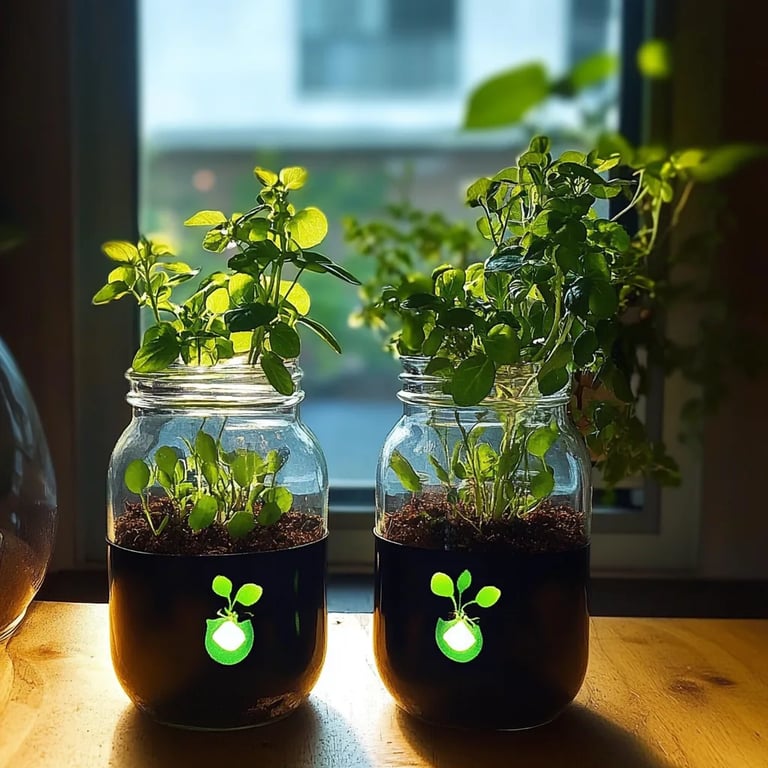
Water Bottle Planters are an amazing way to cultivate a garden while being mindful of the environment. Transforming ordinary plastic water bottles into functional planters not only serves an aesthetic purpose but also promotes sustainable living. With a little creativity, you can turn what would have been waste into beautiful displays of flora.
Using water bottle planters is not just environmentally friendly; it’s a great project for families, schools, or those looking to start gardening without a significant financial investment. Not to mention, they're an excellent solution for small spaces. Whether you have an outdoor balcony, a sunny window sill, or a classroom project, water bottle planters offer incredible versatility and accessibility.
In this guide, you will discover the secrets of creating and maintaining your own water bottle planters. We’ll dive into the reasons why they are fantastic, how you can prepare your materials, the essential ingredients (tools and plants), and a step-by-step guide to help you every step of the way. No matter your gardening skill level, this ultimate guide will inspire you to engage with nature through recycling and planting.
Why You’ll Love This Method
Creating water bottle planters is not only a creative outlet but also an effective way to grow plants, especially when you're working with limited resources or space. Here are some compelling reasons why you’ll appreciate using water bottle planters:
- Eco-Friendly: Repurposing plastic bottles reduces waste and helps the environment.
- Cost-Effective: Most materials can be found at home or acquired at minimal costs.
- Space-Saving: Water bottle planters are ideal for small spaces, including apartments and small gardens.
- Educational: Perfect for kids, this project teaches them about recycling, responsibility, and plant care.
- Diverse Uses: From herbs to flowers, you can cultivate a wide variety of plants.
- Increased Airflow: The design allows for better drainage and airflow around the roots.
- Customizable: Add paint, decorations, or different arrangements to match your style.
These benefits demonstrate how engaging with nature can be both a delightful and responsible choice. It’s a wonderful way to start or enhance your gardening journey!
Preparation and Planning
Before diving into making your water bottle planters, you’ll need to gather your materials. Planning is crucial in ensuring a successful gardening experience.
- Preparation Time: About 15-20 minutes for the initial setup.
- Planting Time: Approximately 30 minutes, depending on the number of planters.
Make sure to select a location where you'll have access to sunlight, as most plants require a good amount of light to thrive. If you're using them indoors, south-facing windows are often a great choice.
Materials Needed
- Clean, empty plastic water bottles (1 or 2-liter sizes work best)
- Scissors or a sharp knife
- Potting soil or a suitable growing medium
- A variety of seeds or small plants (herbs, flowers, etc.)
- Optional: paint or markers for decoration, drainage rocks, and plastic wrap for humidity control.
Step-by-Step Instructions
Creating your own water bottle planters is straightforward and enjoyable! Follow these steps for the best results:
- Clean the Bottles: Rinse and dry any water bottles to remove residues.
- Cut the Bottles: Use scissors or a knife to cut the water bottles in half. The top half can act as a funnel while the bottom will hold soil and plants.
- Make Drainage Holes: Poke a few small holes in the bottom of the container to allow for proper drainage.
- Add Rocks for Drainage: Place a layer of small rocks or gravel at the bottom of the planter for better drainage.
- Fill with Soil: Pour potting soil into the bottom half of the bottle, filling it about 2/3 full.
- Plant Your Seeds or Plants: Add seeds or small plants, ensuring not to overcrowd them for healthy growth.
- Water and Cover: Water the plants lightly. If indoors, consider covering the top with plastic wrap to create a humid environment until the seeds germinate.
- Assemble the Planter: Place the top part of the bottle upside down on the bottom part to create a mini-greenhouse effect (optional).
- Place in Sunlight: Position your water bottle planter in a location that gets adequate sunlight.
- Monitor Growth: Keep an eye on your plants and water them as needed based on the type of plants you choose.
These steps will guide you in transforming ordinary water bottles into beautiful planters!
How to Serve
Presenting your water bottle planters can enhance their aesthetic and functional appeal:
- Group Together: Create a small collection by grouping several planters together for a lush display effect.
- Hang Planters: Use a sturdy string or wire to hang some planters for a vertical garden effect.
- Decorate: Personalize your bottles with paint or markers, adding unique designs that reflect your style.
- Label Your Plants: Consider labeling your planters with the plant names or care instructions for easy identification.
- Watering and Maintenance: Regularly check the moisture of the soil and provide water as needed. Prune any dead leaves to encourage healthy growth.
By implementing these methods, you can create an eye-catching display while promoting an eco-conscious approach to gardening. Water bottle planters are not just functional but can also be a creative way to bring nature into your home. Enjoy the joy of planting and watch your space bloom beautifully!
Additional Tips
- Choose the Right Plants: When selecting plants for your water bottle planters, consider their light and water needs. Herbs like basil and mint thrive in smaller spaces.
- Experiment with Soil Types: Different plants may prefer various soil types. Potting mix is great, but succulents may do better with a cactus mix.
- Regular Maintenance: Keep an eye on the growth of your plants. Trim any yellow or dead leaves to promote healthier growth and air circulation.
- Incorporate Fertilizers: Adding a diluted liquid fertilizer can help nourish your plants, especially as they begin to grow.
- Rotation for Sunlight: Rotate your planters occasionally to ensure all sides get equal exposure to sunlight, promoting even growth.
Recipe Variation
Feel free to mix it up with these variations:
- Herb Garden Mix: Combine different herbs like parsley, cilantro, and chives in one planter for a functional and aromatic mini-garden.
- Succulent Displays: Create a succulent-themed water bottle planter by choosing various small succulents, which require less watering.
- Themed Planters: Designate specific planters for different themes, such as a “kitchen herbs” section or “colorful flowers” for your window sill.
- Self-Watering Variation: Consider creating a self-watering planter by connecting two bottles with a piece of string, allowing for moisture to be drawn from the bottom bottle.
Freezing and Storage
- Storage: Water bottle planters do not require food storage, but you can keep them in a cool area if you're not using them actively.
- Preservation for Future Use: If you want to take a break from planting, empty and clean your water bottles, storing them for the next gardening session.
Special Equipment
Consider having the following tools handy for making water bottle planters:
- Utility Knife: For cutting plastic bottles more easily.
- Gloves: Protect your hands while working with soil and blades.
- Spoon or Trowel: Useful for filling the bottles with soil and planting.
- Measuring Cup: To accurately measure soil and watering needs.
- Plastic Wrap: For creating humidity while seeds are germinating.
Frequently Asked Questions
What kinds of plants work best in water bottle planters?
Herbs, small flowers, and succulents are excellent choices due to their manageable size and water needs.
Can I use colored water bottles for my planters?
While colored bottles can make for a fun design, ensure they allow sufficient sunlight through, or opt for transparent ones to help your plants thrive.
How often should I water my bottle planters?
Check the soil's moisture regularly. Generally, watering once a week or when the top inch of soil feels dry works well.
Is there a risk of mold developing?
Yes, overwatering or poor drainage can lead to mold. Ensure proper drainage holes and don’t let your plants sit in excess water.
Can I keep indoor plants in water bottle planters?
Absolutely! Just make sure they receive adequate light and are rotated as needed.
Conclusion
Water bottle planters are a fantastic way to combine creativity and sustainability in your gardening endeavors. With the tips and variations provided, you can create personalized green spaces while contributing to environmental consciousness. Whether you're planting herbs in your kitchen or beautifying your balcony, water bottle planters offer joy and satisfaction. Embrace this delightful method and enjoy the fruits of your labor as your plants flourish!