Walking Water Experiment: An Amazing Ultimate Guide to 1 Incredible Trick
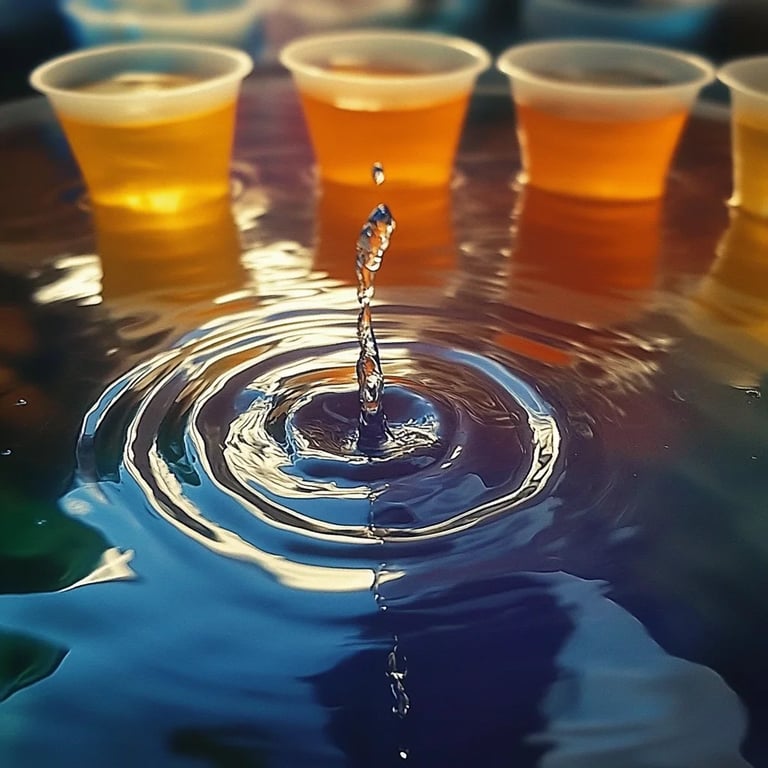
Walking Water Experiment is an awe-inspiring activity that showcases the wonders of science in a visually striking way. Often used as a fun science project for kids or a simple demonstration for adults, this experiment captivates everyone’s attention. At its core, the Walking Water Experiment demonstrates how capillary action works, allowing colored water to "walk" between cups. The unique combination of colors and the way the water travels create an engaging and educational experience.
Imagine watching as water defies gravity, creating a beautiful blend of colors right before your eyes. This experiment isn’t just entertaining; it also sparks curiosity and fosters a love of learning. Whether you’re a parent looking to entertain your kids or a teacher aiming to enlighten students, the Walking Water Experiment is a fantastic choice. In this guide, we'll break down everything you need to know about this incredible phenomenon, including reasons to love it, preparation times, ingredients, step-by-step instructions, and how to serve this educational experience.
Join me as we dive into the lab of this mesmerizing Walking Water Experiment, ensuring you’re armed with all the knowledge needed to conduct it successfully!
Why You'll Love This Experiment
Walking Water Experiment is a favorite for many reasons. Here are just a few aspects that make this activity irresistible:
- Visual Appeal: The vibrant colors and flowing water create a stunning visual effect that is sure to amaze participants.
- Simple Ingredients: Most materials needed are household items, making it easy to set up without any special purchases.
- Engaging for All Ages: Suitable for children and adults alike, this experiment invites curiosity and learning for everyone.
- Educational Value: It provides insight into scientific principles like capillary action, diffusion, and absorption in a fun way.
- Interactive Experience: Participants can partake in the experiment, making it a collaborative and hands-on learning opportunity.
- Quick Setup: You can prepare and execute the experiment in about 30 minutes, making it great for a family project or classroom activity.
When you combine these intriguing factors, you can see just why the Walking Water Experiment holds a special place in many hearts. Let’s unpack how to conduct it!
Preparation and Cooking Time
Preparation for the Walking Water Experiment is a breeze. Here’s a general breakdown of the time required:
- Preparation Time: 15 minutes
- Experiment Time: 15-30 minutes
These times are easy to manage and can vary based on your setup and the number of participants involved.
Ingredients
- 4 clear cups or containers
- Water
- Food coloring (various colors)
- Paper towels (2-4, depending on your setup)
- A tray or a flat surface (to contain any spills)
Step-by-Step Instructions
Now that you have everything ready, here’s how to conduct the Walking Water Experiment:
- Fill the Cups: Begin by filling three of the clear cups with water, leaving the fourth cup empty.
- Add Food Coloring: Add a few drops of food coloring to each of the filled cups. Choose colors that will create a vibrant visual effect when combined.
- Prepare the Paper Towels: Take the paper towels and cut them into strips about 1-2 inches wide. You’ll need one strip for each colored cup.
- Connect the Cups: Place one end of each paper towel strip into the colored water. Put the other end into the empty cup in the middle.
- Observe: Watch as the water starts to travel along the paper towels. Observe how it slowly moves and blends to create a walking effect.
- Discuss the Science: Talk about capillary action and how the water is "walking" through the wicking properties of the paper towels.
- Wait and Watch: Allow some time for the water to completely travel to the empty cup, merging colors along the way.
This simple process results in a vibrant display of color combinations in the empty cup, illustrating clear scientific principles!
How to Serve
To enhance the experience of the Walking Water Experiment, consider these serving suggestions:
- Create a Science Station: Set up a dedicated space where participants can observe and discuss the experiment together, fostering collaboration and communication.
- Document the Results: Encourage participants to take pictures or draw what they see, creating a visual record of the experiment's progression.
- Discuss Applications: Engage in a conversation about how capillary action occurs in nature, such as in plants and how it affects agriculture.
- Extend the Experiment: Once the initial experiment is complete, consider changing the water's colors or exploring different materials, like using fabric instead of paper towels, to see how that changes the outcome.
By taking the time to thoughtfully present the Walking Water Experiment, you create a memorable educational moment that engenders curiosity and exploration in the scientific world around us.
This amazing experiment not only entertains but also enriches minds, making it a truly wonderful activity for all involved!
Additional Tips
- Experiment with Colors: Use a variety of food coloring shades to create stunning effects. Bright hues will make the experiment more visually captivating.
- Use Different Container Sizes: Try varying the sizes of your cups to see how the water behaves differently with shallow versus deep containers. This can lead to new discussions about fluid dynamics.
- Encourage Questions: Foster curiosity by asking participants what they think will happen before they see the results. This makes the learning process more interactive.
- Safety First: Ensure that the workspace is safe, especially with younger children. Place older cups on a stable surface to prevent spills.
- Extend the Learning: Integrate complementary science topics. Discuss other phenomena like absorption in sponges or how plants uptake water through roots.
Recipe Variation
Feel free to create your own versions of the Walking Water Experiment! Here are some variations to inspire you:
- Rainbow Effect: Use seven different colors to create a full rainbow effect when mixing the water. This not only looks beautiful but also adds an educational discussion about color mixing.
- Speed Test: Set a timer to see how quickly the water travels to the empty cup with different types of paper towels, such as thick versus thin.
- Alternative Materials: Instead of paper towels, try using fabric strips or even string. Observe how these materials change the water's movement through capillary action.
- Flavored Water: For a fun twist, flavor the water with natural extracts. This can enhance the sensory experience and lead into discussions about taste and scent.
Freezing and Storage
- Storage: After conducting the Walking Water Experiment, it's best to clean up promptly to avoid any mess. You can retain the colored water in covered containers for a short time, though the vibrant hues will fade.
Special Equipment
To conduct the Walking Water Experiment successfully, you will need:
- Clear Cups: Four clear cups or containers to hold the different colors of water.
- Paper Towels: A few standard paper towels to act as wicking agents.
- Food Coloring: Various food coloring options to create the vibrant colors.
- Tray: A tray or flat surface where all components can be set up without risk of spilling.
Frequently Asked Questions
1. Can I use other liquids in this experiment?
Yes! While water is the best choice due to its properties, you could experiment with other liquids like juices to observe different results.
2. What ages is this experiment suitable for?
The Walking Water Experiment is ideal for kids aged 5 and up, but adults will also find it interesting and educational!
3. How can I explain capillary action to young children?
Use simple terms. Explain that plants use this same process to drink water through their roots, making it relatable.
4. Is there a long-term result I can expect?
While the vibrant colors will blend in real-time, the experiment is temporary. So, enjoy the immediate visual effect rather than expecting a lasting change.
5. Can this experiment be done indoors?
Absolutely! Just ensure that you have covered surfaces to manage any potential spills.
Conclusion
In summary, the Walking Water Experiment is not just a captivating visual delight but also a fantastic educational opportunity. This hands-on project allows participants of all ages to witness scientific principles in action. Whether you are looking for a fun family activity or a classroom demonstration, this experiment promises to enchant and educate.
By following the step-by-step instructions and incorporating additional tips, you're set for a memorable experience. So gather your materials, unleash your creativity, and enjoy the mesmerizing journey of water as it walks!