Volcano Experiment: An Incredible and Amazing Science Activity
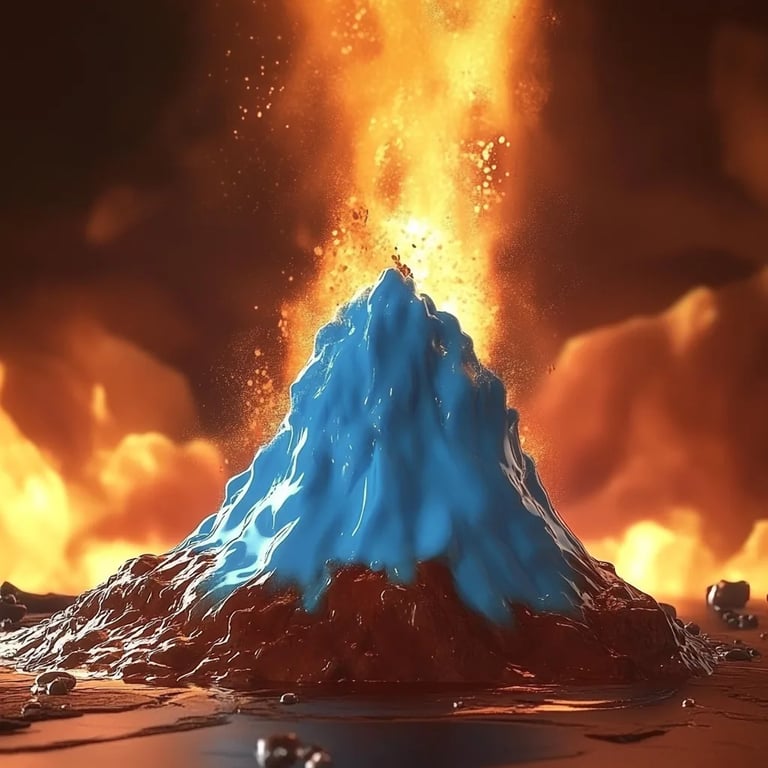
Volcano Experiment is an exciting and engaging way to explore the wonders of chemistry and geology right in your home or classroom. This activity combines creativity with education, capturing the imagination of children and adults alike. Imagine the thrill of watching a simulated eruption, complete with bubbling lava and smoky fumes. This hands-on experiment not only teaches basic scientific concepts but also provides an opportunity for observation, interaction, and delightful messes that make learning fun.
From the moment you set up your volcano, anticipation fills the air. As you mix the ingredients and watch the reaction unfold, you'll be amazed at the explosive results. Science comes to life, demonstrating principles like reactions between acids and bases, gas release, and the power of chemical change. This experiment empowers budding scientists to grasp fundamental concepts through visualizing how real volcanoes work in nature, making it not just an activity but an unforgettable experience.
This article will guide you through the Volcano Experiment, its preparation, required materials, and tips for enjoying this amazing activity to the fullest. By the end, you’ll understand why this experiment is a favorite among educators and parents alike, paving the way for future scientific exploration.
Why You’ll Love This Experiment
The Volcano Experiment isn’t just another science project; it’s a thrilling adventure into the world of chemistry and geology. Here are several reasons why you’ll be drawn to this incredible experiment:
- Visually Stimulating – Watching the vibrant "lava" flow and bubble creates an exciting visual that captivates everyone.
- Educational – This experiment covers key scientific concepts such as chemical reactions, volcanology, and even environmental science.
- Hands-On Learning – Engaging in a hands-on experience helps reinforce theoretical knowledge in a memorable way.
- Suitable for All Ages – From young children to adults, this experiment can be tailored to fit various age groups, ensuring consideration for safety.
- Perfect for Groups – It works wonderfully for classrooms, parties, or family gatherings, promoting teamwork and collaboration.
- Messy Fun – The reaction can be messy, which adds to the excitement and offers an opportunity for cleaning up together afterward.
With these benefits in mind, it’s easy to see why the Volcano Experiment is a must-try for anyone interested in engaging with science.
Preparation and Cooking Time
The entire Volcano Experiment takes about 30 minutes to set up and perform, making it a quick and entertaining science activity. Here’s a breakdown of the time requirements:
- Preparation Time: 10-15 minutes (for gathering materials and setting up the experiment)
- Experiment Time: 10-15 minutes (includes the reaction and cleanup)
These times may vary slightly based on your organization and experience, but this framework should give a good estimate.
Ingredients
- 1 cup baking soda
- 1 cup vinegar
- Food coloring (optional, for visual effects)
- Plastic bottle or small container (for the volcano)
- Tray or large dish (to catch overflow)
- Paper mache or modeling clay (to build the volcano shape)
- Dish soap (optional, for extra foaming)
- Water (to adjust consistency)
- Protective goggles (for safety)
Step-by-Step Instructions
Follow these simple steps to create your exciting Volcano Experiment:
- Create the Volcano Structure: Use paper mache or modeling clay to build a volcano shape around the plastic bottle or small container. Make sure to leave the top open for the "eruption."
- Place the Volcano: Set the volcano structure on a tray or large dish to catch any overflow.
- Prepare the Lava Mixture:
- Add about 1 cup of baking soda into the container at the top of your volcano.
- If desired, mix in a few drops of food coloring and a small squirt of dish soap into the baking soda for added visual effects and foam.
- Make it Erupt:
- Slowly pour 1 cup of vinegar into the container.
- Watch as the baking soda reacts with the vinegar, producing an explosive eruption of bubbles and foam that resembles lava flowing out of a volcano!
- Observe the Reaction: Take notes on what happens during the reaction. Discuss the science behind it with your audience.
- Clean Up: After the excitement, remember to clean up any leftover materials, especially if you’ve used messy items.
By following these steps, you’ll successfully conduct an amazing Volcano Experiment filled with learning and fun!
How to Serve
The Volcano Experiment can be served in engaging and educational ways for both children and adults. Here are some tips:
- Presentation: Set the volcano on a colorful tray to enhance its visual appeal. Incorporate small figurines like dinosaurs or scientists for a themed environment.
- Interactive Discussion: After the eruption, hold a discussion about what was observed. Ask questions about chemical reactions, the formation of real volcanoes, and the structure of tectonic plates.
- Multiple Eruptions: To maximize fun, consider preparing several volcanic structures with various colors of food coloring. Conduct multiple eruptions as part of an experimental comparison.
- Introduce Variations: Encourage participants to alter ratios, add more vinegar, or test different shapes and sizes of volcanoes to see how it affects the eruption.
- Photo Opportunities: Capture moments during the experiment. These fun photos can be shared with friends, and family or used for a science project display.
With these serving suggestions, your Volcano Experiment will not only be educational but also an unforgettable event for everyone involved.
Additional Tips
- Supervise Young Children: Ensure that adults are present when young children are participating in the Volcano Experiment. Accidents can happen, especially when working with vinegar and baking soda.
- Clean Workspace: Cover your work area with newspapers or plastic to make cleanup easier afterward. This experiment can get messy!
- Experiment with Ratios: Encourage kids to try different ratios of baking soda to vinegar. They may discover how it affects the size and intensity of the eruption.
- Go Bigger: Consider scaling up your volcano using larger containers or more ingredients for a bigger eruption! Just be mindful of where the overflow will go.
- Safety First: Always wear safety goggles, especially for older kids, to protect their eyes from splashes.
Recipe Variation
Mix things up and unleash your creativity with these fun variations of the Volcano Experiment:
- Colored Lava: Use various food coloring to create a rainbow effect during the eruption. Each layer can represent a different color!
- Sparkling Lava: Add a touch of baking soda and vinegar to club soda for a fizzier eruption.
- Scented Eruptions: Introduce scented oils or extracts (like vanilla or mint) to the mixture for a pleasant fragrance during the eruption.
- Fog Effect: Experiment by adding dry ice to create a foggy, ghostly look around your volcano during its eruption. (Caution: Use dry ice safely and avoid direct contact.)
- Volcano Model: Craft your volcano with more intricate designs like landscaping, trees, or even miniature dinosaur figures — make it a mini-show!
Freezing and Storage
While the Volcano Experiment is typically a one-time activity, here are some tips regarding ingredients:
- Prepared Mixtures: If you wish to prepare the baking soda mixture in advance, store it in an airtight container until you are ready to use it. However, it is best to mix the vinegar fresh before the eruption.
- Leftover Ingredients: Store any remaining baking soda and vinegar separately and ensure that each is sealed tightly. Both items have long shelf lives when stored in a cool, dry place.
Special Equipment
To make your Volcano Experiment a fun and accurate representation of real eruptions, gather the following tools:
- Mixing Bowls: For combining your lava mixture ingredients.
- Measuring Cups: To ensure precise measurements for your reaction.
- Spoons or Scoops: For stirring and transferring ingredients into the volcano structure.
- Protective Goggles: An essential safety item for all participants to protect eyes during the experiment.
- Plastic Tray: A large tray or dish to catch any overflow during the eruption.
Frequently Asked Questions
What happens during the volcano eruption?
When baking soda (a base) interacts with vinegar (an acid), it creates carbon dioxide gas. This gas builds up and causes the bubbling eruption.
Is this experiment safe for younger children?
Yes, it’s generally safe. However, supervision is recommended, especially when handling the ingredients.
Can I use other acids instead of vinegar?
You can experiment with other edible acids like lemon juice or citric acid. Make sure to test ratios for the best results.
What if my volcano doesn't erupt as expected?
Ensure you have followed the instructions accurately, especially in measuring your ingredients. If it still doesn’t work, try adjusting the ratios.
How often can I repeat the Volcano Experiment?
You can repeat the experiment multiple times as long as you have the necessary ingredients. It’s a great way to explore results!
Conclusion
The Volcano Experiment is more than just an exciting activity; it is a meaningful way to engage with science while having fun. Observing the dynamic reactions not only enthuses learners about chemistry and geology but also fosters curiosity and creativity. Whether done in a classroom or at home, the knowledge gained and memories made during this experiment are invaluable. This hands-on learning experience helps everyone appreciate the wonders of science, making it a cherished favorite for all ages. So gather your materials, prepare for eruption day, and let the volcanic fun begin!