Unleashing Creativity: A Step-by-Step Guide to Salt Painting
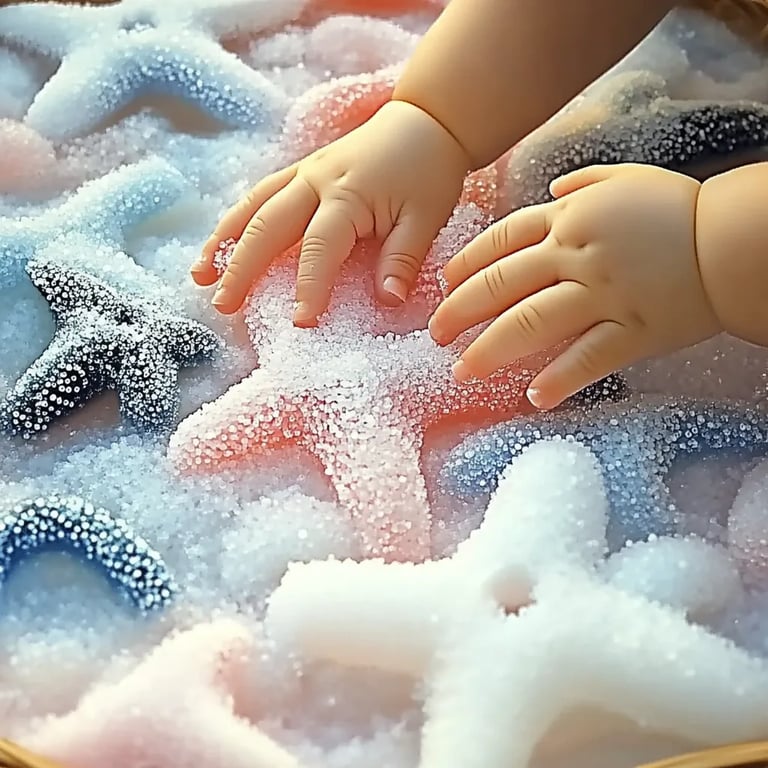
Hello, fellow crafters! Today, I'm thrilled to share a delightful and visually striking project that adds a sprinkle of magic to any creative space: Salt Painting. This project has captured the hearts of both kids and adults alike, making it a popular choice in classrooms, art studios, and homes. Whether you're looking for a rainy day activity or a unique gift idea, salt painting is not just a great way to express your creativity—it's also a therapeutic and enjoyable process.
Salt painting combines two elements often found in art-making: glue and salt, which together create a mesmerizing effect when you apply watercolor or liquid ink. As the liquid interacts with the salt, it transforms the artwork into a vibrant landscape of colors and textures. Trust me when I say, once you get started, you’ll be hooked!
In this guide, I’ll take you through the entire process step by step. We'll cover everything from materials to troubleshooting common problems, sharing insights and tips along the way. So grab your supplies, roll up your sleeves, and let’s embark on this fun-filled creative journey together!
Materials You’ll Need
Before we dive into the painting process, let’s gather our materials. Here’s what you’ll need:
- White school glue (PVA glue): This will hold our salt in place. It's readily available, non-toxic, and dries clear.
- Salt: Use regular table salt or coarse salt. The texture and size can affect the outcome of your artwork.
- Watercolor paints or liquid watercolors: Choose your favorites! Vibrant colors work beautifully for this project.
- Heavy paper or watercolor paper: It should be thick enough to hold the glue and water without warping.
- Paintbrushes: You’ll need brushes to apply the watercolor.
- A tray or plate: For holding the salt.
- A small cup of water: To rinse your brushes and mix with your paint.
- Optional: A heat gun or hairdryer to speed up drying (but be safe with the heat!).
Step-by-Step Tutorial
Step 1: Prepare Your Work Area
Before starting, it’s essential to set up your work area. Lay down some newspaper or an old tablecloth to protect your workspace from spills. Since we’re dealing with glue and salt, it can get messy! I always enjoy having a dedicated crafting space, as it allows my creativity to flow freely without worrying too much about the aftermath.
Step 2: Create Your Design
Use your white school glue to draw your design on the heavy paper. This could be anything from abstract patterns to detailed scenes like flowers, animals, or landscapes. The glue acts as a reservoir for the salt to cling to. Tip: Use a steady hand to make your lines as even as possible, and don't be afraid to experiment!
What Could Go Wrong? If your glue lines are too thin, the salt may not adhere well. If this happens, simply add more glue and try again!
Step 3: Sprinkle Salt
Now that your design is complete, sprinkle salt generously over the glue lines. It doesn’t have to be perfect—let it cover the glue wholly. You can experiment with different textures by using various types of salt. Coarse salt will create a dramatic texture, while fine salt offers a smooth finish.
A Personal Anecdote: I once created a sunset silhouette and used coarse salt for the sun, which added a sparkling touch to the piece!
Step 4: Shake Off Excess Salt
Once you’ve applied salt to your glue design, hold the paper over the tray and gently shake off any excess salt. I suggest doing this over a large piece of paper to catch the falling salt for reuse later. Don't throw away the excess salt; you can scoop it back into the container for future projects!
Step 5: Apply Watercolor
With your design ready, it's now time for the magic! Use your paintbrush to apply watercolor to the salt. The salt absorbs the paint and creates delightful color blooms. Try using various colors and placing them next to one another to see how they blend and interact.
Why This Step Matters: The interaction between the salt and the watercolor is where the beauty happens! The salt absorbs the paint, causing stunning, organic patterns that make each piece unique.
Common Issues: If the paint doesn’t bloom or absorb as intended, ensure that the salt is saturated with paint. You can mix equal parts water and watercolor for a more fluid application.
Step 6: Let It Dry
Patience is key! Allow your piece to dry completely. This could take a few hours or overnight depending on the thickness of the glue and paint. If you’re in a hurry, you can gently use a heat gun or hairdryer to speed up the process. Safety Warning: Keep the heat at a safe distance to avoid damaging your artwork or causing an accident.
Step 7: Admire Your Work!
Once your salt painting is dry, take a moment to admire your masterpiece. You could even frame it or gift it to someone special!
Creative Variations
Now, let’s talk about variations you can try with salt painting:
- Use different mediums: Experiment with acrylic paints or food coloring along with the watercolors for different effects.
- Add textures: Try incorporating a mix of materials like glitter or sand to add more depth to your artwork.
- Combine techniques: Try layering your salt painting with other techniques such as splattering paint or using stencils.
Final Tips and Tricks
- Keep your workspace organized, and clean up spills promptly to avoid any glue or watercolor mishaps.
- Don’t stress about perfection; the beauty in salt painting lies in its natural, whimsical variations.
- Experiment with different designs and colors. I often find inspiration in nature; flowers, sunsets, and even abstract concepts can be a fantastic starting point!
Conclusion
And there you have it—a simple yet fun guide to creating your own salt painting project! I hope you find the joy and satisfaction that comes with being creative. The beauty of this project is in its simplicity, and the results can be breathtaking, no matter your skill level. So gather your materials, unleash your imagination, and make something beautiful today!
Feel free to share your works or ask questions; I’d love to hear about your experiences with salt painting! Happy crafting!