The Ultimate Guide to the Balloon Baking Soda Experiment: Fun Science at Home!
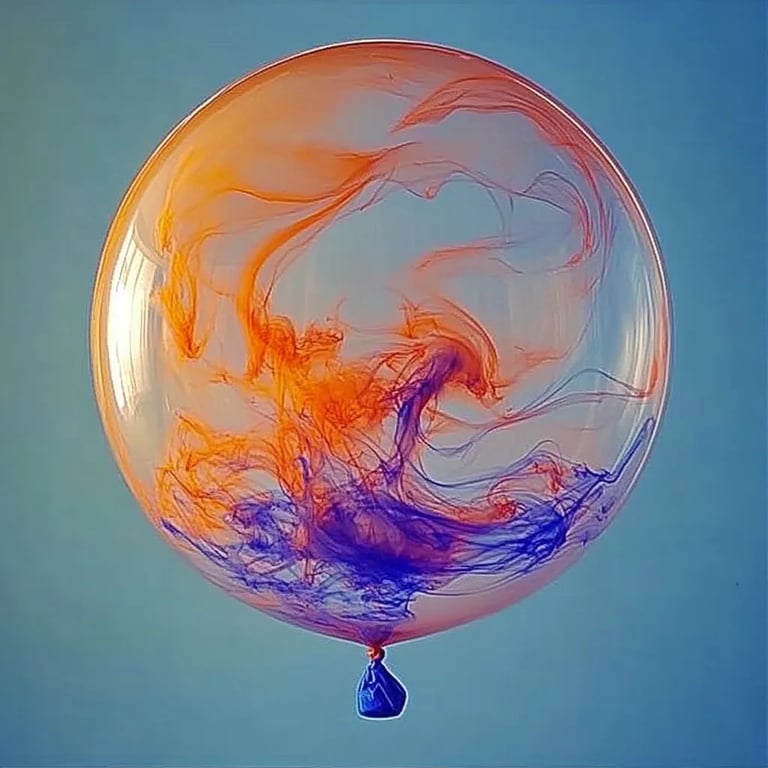
Hello, fellow crafting enthusiasts! Today, I'm excited to walk you through one of my all-time favorite DIY science experiments: the Balloon Baking Soda Experiment! This captivating project is not only a fantastic way to introduce the wonders of chemical reactions to kids—it's a fun activity for all ages, perfect for birthday parties, homeschool activities, or even just a cozy afternoon indoors. In this guide, I’ll share my personal tips, tricks, and variations so you can become a DIY science pro!
What is the Balloon Baking Soda Experiment?
The Balloon Baking Soda Experiment is a delightful activity that showcases a simple chemical reaction between baking soda (a base) and vinegar (an acid). When combined, these two ingredients produce carbon dioxide gas, which causes the balloon to inflate dramatically. This experiment is immensely popular due to its educational value, engagement factor, and, most importantly, the sheer joy of seeing that balloon rise!
Why Do This Experiment?
- Educational Value: Perfect for introducing concepts of chemical reactions, gas production, and even basics of measurements.
- Accessibility: With common household materials, this experiment is easy to whip up on a whim.
- Fun Factor: Who doesn’t love watching a balloon inflate right before their eyes? This magic moment brings giggles and awe!
- Family Bonding: It's a great chance to spend quality time with your kids or friends while exploring science together.
When to Use This Experiment
I find this experiment is especially useful during family gatherings, birthday celebrations, educational outings, or even on a rainy day when you're looking for something new to try!
Gathering Your Materials
Before diving into the step-by-step process, ensure you have the following materials ready. These are typically items you already have at home:
- 1 Balloon: A standard balloon will work perfectly.
- 1 plastic or glass bottle (about 16 oz or 500 ml): Make sure it’s clean and dry.
- 2 tablespoons of baking soda: This is a versatile ingredient you might already have in your kitchen.
- ½ cup of vinegar: White vinegar works best for this experiment.
- A funnel (optional): This helps to fill the balloon with baking soda without a mess.
- Food coloring (optional): For added fun and creativity!
- A few paper towels: These will be handy for cleaning up any spills.
Step-by-Step Tutorial
Now, let’s get started! Follow these steps for a successful Balloon Baking Soda Experiment.
Step 1: Prepare Your Balloon
- Stretch the Balloon: This might seem trivial, but it's important! Gently stretch the balloon a few times. This makes it easier to inflate later. If the balloon is too stiff, it may not inflate properly.
- Add Baking Soda: Carefully use the funnel to pour 2 tablespoons of baking soda into the balloon’s neck. If you don’t have a funnel, you can roll a piece of paper into a cone shape to create one. If some baking soda gets stuck, gently shake it down into the balloon.
Step 2: Prepare the Bottle
- Pour in the Vinegar: Using your measuring cup, pour ½ cup of vinegar into the plastic or glass bottle. If you want a colorful effect, add a few drops of food coloring to the vinegar before pouring it in.
Step 3: Attach the Balloon
- Attach the Balloon to the Bottle: Carefully stretch the mouth of the balloon over the mouth of the bottle, ensuring that none of the baking soda spills into the vinegar just yet! Take your time here; this step is crucial for a successful reaction.
Step 4: Let the Fun Begin!
- Make the Chemical Reaction Happen: When you’re ready, slowly lift the balloon, allowing the baking soda to tumble into the vinegar. Watch in amazement as the chemical reaction begins, producing carbon dioxide gas that fills the balloon up!
Why Each Step Matters
Each step plays an essential role in the success of the experiment. Stretching the balloon makes it easier to expand, and accurately measuring the baking soda and vinegar ensures a predictable reaction. If your balloon doesn’t inflate, revisit each step to troubleshoot—did the baking soda spill into the vinegar too quickly?
Troubleshooting Common Issues
- Balloon Doesn’t Inflate:
- Cause: The baking soda may not have fully entered the vinegar.
- Fix: Make sure the balloon is securely attached to the bottle. If it’s coming off, try to hold it in place while you lift it.
- Too Much Mess:
- Tip: Use a wider funnel, or make your own with a piece of paper.
- Vinegar Spills:
- Solution: Place the setup on top of a tray or outside for easy clean-up.
Personal Anecdote
One of my favorite memories from doing this experiment was with my niece during a family gathering. She was skeptical at first, but when the balloon inflated, her eyes lit up with wonder—you’d think she had just discovered a hidden treasure! Experiments like this ignite curiosity and foster a love for science in kids. You never know how much of an impact a simple experiment can have!
Safety Warnings
Although this experiment uses common household materials, always supervise young children during the activity. Inhaling baking soda or vinegar (especially in large amounts) can be harmful, so ensure the ingredients are kept at a safe distance from the face when executing the experiment.
Alternative Methods and Ingredient Substitutions
If you want to switch things up or cater to specific dietary restrictions:
- Baking Powder Instead of Baking Soda: You can achieve a similar effect using baking powder, but the results might not be as dramatic.
- Flavored Vinegar: For a twist of flavor, try using apple cider vinegar, which may add a fruity scent to the reaction.
- Add Glitter: If you’re looking for creative flair, sprinkle some edible glitter into the balloon before inflating to add sparkle!
Creative Variations
Here are a few creative ways to expand on the Balloon Baking Soda Experiment:
- Colorful Balloon Experiment: Mix different colors of food dye into the vinegar and watch the colorful balloons take flight!
- Layering: Try layering different scents by using different kinds of vinegar or essential oils to make the experiment even more sensory.
- Themed DIY Kits: Assemble kits as party favors for birthdays—include balloons, vinegar, baking soda, and instructions for friends to recreate the experiment at home!
Conclusion
I hope you’re inspired to try the Balloon Baking Soda Experiment! Remember to keep the experience fun and educational, embracing the occasional hiccup along the way. With a little patience and creativity, this delightful project can spark curiosity and joy in anyone, young or old.
So gather those materials, roll up your sleeves, and get ready to watch science in action! Happy experimenting! 🎈✨