The Ultimate Guide to the Baking Soda Volcano Experiment: A Fun and Explosive Science Adventure!
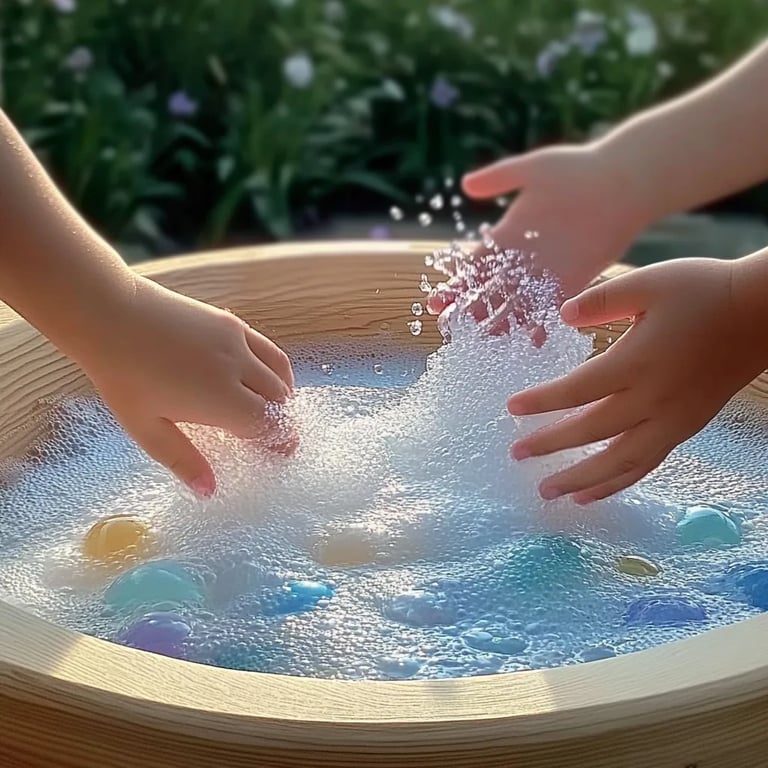
Welcome, curious minds and budding scientists! Today, I’m thrilled to share with you one of my all-time favorite DIY experiments: creating a baking soda volcano. This classic project combines science, creativity, and a bit of fun chaos that captivates both kids and adults alike. Whether you’re looking for an engaging activity for a birthday party, a homeschooling project, or simply a rainy day experiment, the baking soda volcano stands the test of time as an educational and exhilarating endeavor.
Why Baking Soda Volcanoes Are So Popular
I believe the popularity of the baking soda volcano can be attributed to its simplicity and the visual excitement it brings. We all know that science can sometimes feel daunting, but this project transforms learning into a hands-on experience. It’s not just about watching a chemical reaction; it’s about unleashing your inner scientist and having a blast (yes, quite literally)! Seeing the vibrant red "lava" erupt from the volcano is mesmerizing, and the best part? It’s made from common household ingredients that you likely already have in your pantry.
When to Use This Experiment
The baking soda volcano is perfect for:
- Birthday Parties: A crowd-pleaser that kids will love.
- Family Fun Days: A fun way to bond and learn.
- Homeschool Science Projects: A fantastic demonstration of chemical reactions.
- School Science Fairs: With a little creativity, you can even turn it into a standout project.
What You’ll Need
Before we get to the explosive fun, let’s gather our materials. Here’s a comprehensive list of what you’ll need for this fantastic adventure:
Basic Materials:
- Baking Soda (1 cup) – This will be our “lava” agent!
- Vinegar (1-2 cups) – The secret ingredient that makes it erupt.
- Liquid Food Coloring (red or any color you prefer) – To give your "lava" that realistic look.
- Dish Soap (a squirt) – Helps create bubbles and makes the eruption more dramatic.
- Container (such as a plastic bottle, cup, or any funnel-shaped vessel) – This will act as the volcano.
- Moldable Material (like flour, sand, clay, or playdough) – To build the volcano structure around your container.
- Tray or Baking Sheet – To catch the overflow and make cleanup easier.
Optional Materials:
- Glitter or Sparkles – For a dazzling lava effect!
- Cups for measuring – To make sure your ingredients are spot on.
Step-by-Step Tutorial
Now that we have our materials, let’s dive into creating a majestic baking soda volcano! Follow me closely, and soon you'll see your very own volcano come to life!
Step 1: Build Your Volcano Structure
In a large tray, place your container upright. This is where the volcanic eruption will occur.
- Molding Material: Start shaping your moldable material around the container to form a volcano. Feel free to get creative! I often use a mixture of flour and water to create a clay-like substance. Shape it into a mountain around your container, leaving the top open for your eruption.
Why This Step Matters: The more realistic your volcano looks, the more immersive the experience will be. Plus, a sturdy structure ensures better eruptions!
What Could Go Wrong: If your volcano is too soft, it might collapse or not properly contain the reaction. To fix it, simply reinforce the mold with more material.
Step 2: Prepare the Lava Mixture
Now that your volcano is set, it's time to prepare the "lava."
- In a small bowl, mix about 1 cup of baking soda with a couple of squirts of dish soap and a few drops of food coloring. Stir until it forms a consistent mixture.
- Tip: Experiment with different food colorings for vibrant lava!
Why This Step Matters: The soap helps create bubbles which enhance the "lava" effect, while food coloring adds aesthetics.
Step 3: Erupt the Volcano!
Now comes the exciting part!
- Pour your baking soda mixture into the opening of the volcano.
- Slowly pour vinegar into the container with the baking soda mix.
Watch in Awe: The reaction will produce carbon dioxide gas, causing the lava to erupt out of your volcano!
What Could Go Wrong: If your eruption is less than impressive, check the ratio of vinegar to baking soda. You may need more vinegar or a larger baking soda mixture.
Step 4: Enjoy the Show and Clean Up
Now that you’ve created a magnificent eruption, let the fun unfold!
Safety Warnings: While this experiment is generally safe, avoid direct contact with eyes or prolonged skin contact with vinegar.
- After you’re done, rinse your tray and container thoroughly to prevent any stubborn baking soda residue from sticking around.
Creative Variations
Want to take your baking soda volcano to the next level? Here are some fun ideas:
- Painted Volcano: Before adding the lava, paint the volcano structure with acrylic paint for vibrant colors.
- Miniature Garden: Create a landscape around your volcano with small toys, trees, or even dioramas to enhance the display.
- Mentos Experiment: Instead of vinegar, try dropping a Mentos candy into a bottle of soda for a different explosive reaction.
Final Thoughts
Creating a baking soda volcano is not only an enjoyable project but also a wonderful educational experience that teaches kids about chemical reactions in a thrilling way. Remember, the beauty of this experiment lies in experimentation itself. Don’t be afraid to tweak and adapt to create your own versions, or vary the ingredients to see how the eruption changes.
As you embark on this adventure, I hope you enjoy every moment of the crafting process. Trust me, nothing beats the look of pure joy when the volcano erupts! Happy crafting, and here’s to many more cooking science adventures!