The Magic of Crystal Growing: A Hands-On Experiment
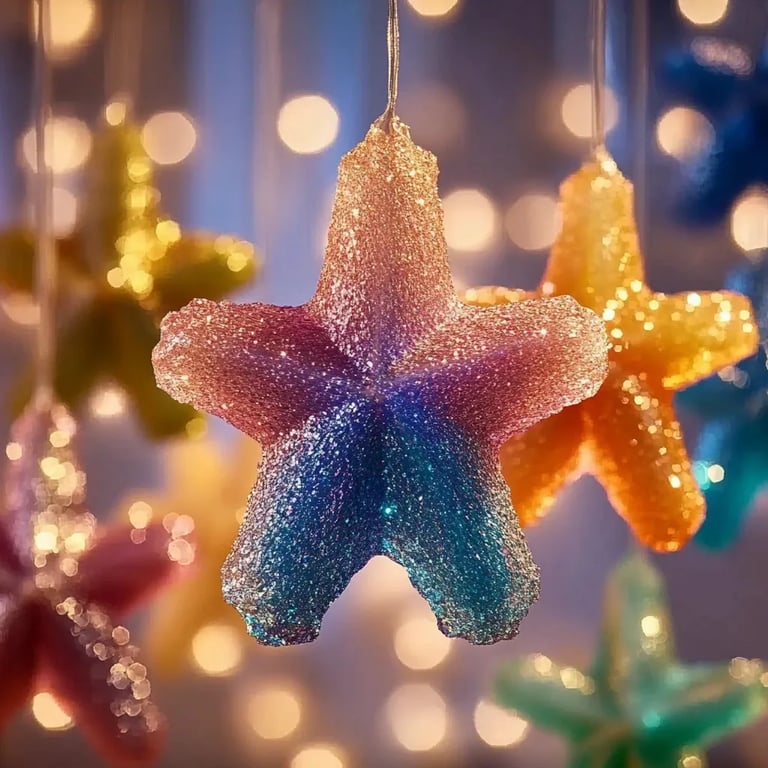
Growing crystals is like harnessing a piece of nature’s artistry right in your home. As an experienced crafter, I find this delightful experiment not only incredibly satisfying but also educational. It’s become increasingly popular over the years—thanks in part to the stunning visuals of gleaming, multi-faceted gems. Crystal growing can be a fantastic science project for kids, a calming hobby for adults, or even a unique way to create custom decor. Whether you're looking for a fun weekend project or a unique gift, growing crystals can be immensely rewarding.
What You Need for Your Crystal Growing Experiment
Before we dive into the step-by-step process, let’s ensure you have all your materials handy. The beauty of this experiment is that many of the ingredients are common household items. Here’s what you’ll need:
- Water: The main solvent in which your crystals will grow.
- Table salt, sugar, or borax: These all can serve as effective crystal-forming substances. (I’ll delve into which to choose later.)
- A heat source: Either a stove or a microwave to dissolve your solute in water.
- Glass or clear plastic containers: For the solution and to see the crystals grow.
- Popsicle sticks, string, or cotton balls: To provide a foundation for your crystals to grow on.
- Pencil or chopstick: To suspend your foundation in the solution without it touching the bottom.
- Optional: Food coloring to customize the color of your crystals.
Step-by-Step Guide to Growing Crystals
Now that we have our materials lined up, let’s get started! Here’s my detailed process.
Step 1: Preparing the Solution
Why It Matters: The solution is where the magic begins. The key is to ensure the solute (salt, sugar, or borax) will completely dissolve in the water.
- Choose Your Solute: I loved experimenting with all three. For larger crystals, borax is your best bet; for sweet treats, go with sugar; and for quicker-growing crystals, table salt works like a charm.
- Combine Your Ingredients: In a saucepan, bring about 1 cup of water to a gentle boil. Gradually stir in your chosen solute until it reaches saturation—this simply means no more can dissolve, and you'll notice some undissolved crystals at the bottom are a good sign. For example, about 3 tablespoons of borax or 1 cup of sugar usually does the trick for one cup of water.
Tip: If you’re using sugar, be patient; it takes a little longer to fully dissolve than salt or borax.
Step 2: Coloring Your Crystals (Optional)
Why It Matters: Adding food coloring at this stage ensures that your crystals will be beautifully tinted.
- Add a Few Drops: Stir in a few drops of your favorite color, but remember, a little goes a long way!
- Mix Gently: Stir well until the color is evenly distributed.
If you're attempting to create multi-colored crystals, consider separating your solution into multiple containers, each with a different color.
Step 3: Cooling and Combining
Why It Matters: Allowing the solution to cool down slowly will create the right conditions for crystal formation.
- Let the Mixture Cool: Once your solution is well-mixed and dissolved, remove it from the heat and let it cool for about 15 minutes. This cooling step is crucial because it gives the excess solute time to start crystallizing as the solution becomes supersaturated.
- Prepare Your Container: While the mixture cools, take your glass or plastic container. Place a popsicle stick or a piece of string with a weight (like a small cotton ball) attached to help your crystals have a surface to cling to.
Step 4: Pouring the Solution and Waiting
Why It Matters: The waiting game can be the hardest but most rewarding part. This is where you'll start to see results!
- Carefully Pour the Solution: Slowly pour your cooled mixture into the container, ensuring that your stick or string is suspended in the center. You want to avoid having it touch the sides or the bottom.
- Place in a Safe Spot: Set your container in a warm, undisturbed location.
Tip: A windowsill with indirect sunlight works wonderfully, but avoid areas with heavy drafts or cold air.
Step 5: Observation
Why It Matters: This is where the real magic happens!
- Check Back Daily: After just a few hours, you'll start to see the first signs of crystals. This process can take anywhere from 3 days to a week, depending on the solute and environment.
- Patience is Key: If the crystals are not forming or growing as expected, there may not have been enough time for the solution to supersaturate—let it sit longer!
Common Issues and Fixes:
- Problem: Crystals are too small or barely visible.
- Fix: Make another batch with a higher concentration of your solute.
- Problem: Crystals seem fuzzy or powdery.
- Fix: This sometimes indicates too much solute. If you notice this, you might want to filter the solution and try again.
Tips and Safety Warnings
- Safety First: If you’re using borax, make sure to keep it away from small children and pets. Though it’s not toxic, it can be irritating in large quantities.
- Cleanup: Use vinegar to safely dissolve any stubborn residues in your pot or utensils.
- Quality Assurance: If you’re using glass containers, handle with care to prevent breakage.
Creative Variations:
- Edible Sugar Crystals: Experiment with different flavored extracts like vanilla or almond to make your sugar crystals taste delightful!
- Rock Candy: After growing sugar crystals, you can then coat your stick in colored sugar before submerging it for a beautiful candy treat.
- Themed Colors: Create themed colors to match holidays or parties. Green and red for Christmas or pastel colors for Easter can make lovely decorations.
Personal Anecdotes
I remember the first time I grew my own crystals; I was amazed at the delicate patterns that formed over days of anticipation. My son and I created a rainbow of sugar crystals that we later used to decorate our cupcakes—a fun surprise for our guests! Each crystal had its own personality, and the sheer joy of seeing them grow just made the chemistry lessons come alive.
Conclusion
There’s genuinely something magical about growing crystals. Whether you’re doing this as a fun project with kids or for your own joy, you get to witness nature's wonders right in your home. Not only will you walk away with your shiny gems, but you’ll also gain a deeper appreciation for the processes that shape our world.
So gather your materials, embrace the experiment, and enjoy the beauty that unfolds. Happy crafting!