The Joy of Crystal Growing: A Guide to Your Very Own Sparkling Experiment
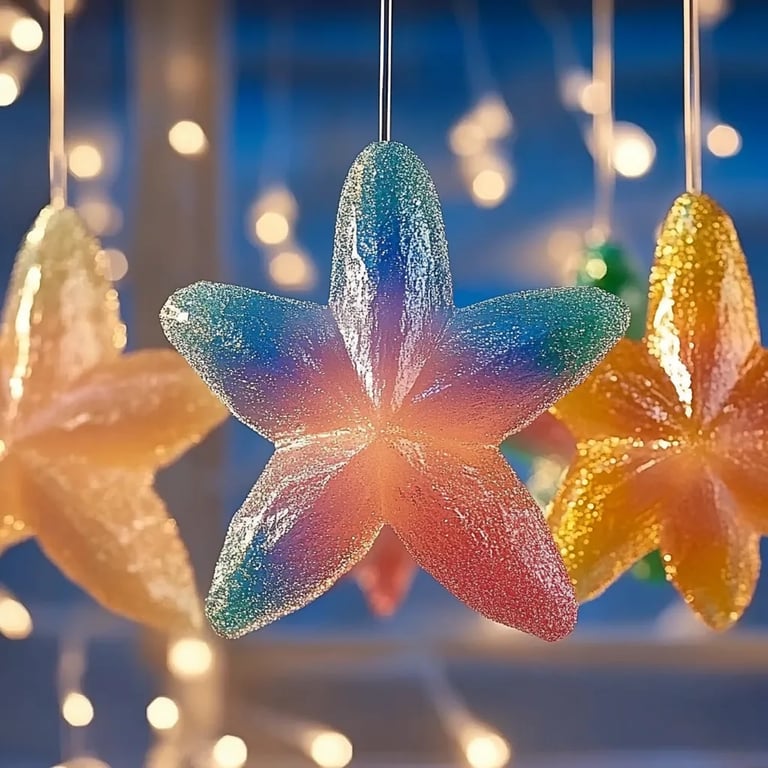
Welcome, fellow enthusiasts of the natural sciences and craft enthusiasts alike! Today, I’m excited to share with you one of my favorite experiments that breathes a bit of magic into the everyday monotony – the art of crystal growing. Whether you’re a parent looking for a fun science project to engage your kids, a teacher aiming to introduce hands-on science in the classroom, or simply a curious adult wanting to explore a new hobby, this crystal growing experiment is for you.
Why Crystal Growing?
Crystal growing isn't just a beautiful process; it's a wonderful blend of science, art, and a dash of patience. Crystals, with their shimmering surfaces and intricate structures, are fascinating to observe and even more rewarding to create. This activity is wildly popular among both children and adults because it effortlessly combines curiosity and creativity with a bit of education. It provides a tangible connection to science concepts like saturation, solubility, and crystallization, making it an entertaining yet educational project.
This experiment is perfect for rainy days spent indoors, science fair preparations, or simply long weekends. It offers an opportunity to bond with children while watching crystals grow, transforming a simple solution into sparkling gems right before your eyes.
Materials You'll Need
Creating your own crystals can be done using several different methods, but for simplicity and accessibility, I’ll guide you through one of the easiest methods using common kitchen supplies. Here’s your shopping list:
- White sugar or salt (both work well; sugar crystals are bigger and more visible!)
- Water
- A saucepan
- A heat source (like a stove)
- Stirring spoon
- Glass container or jar (the wider, the better to view the crystals)
- String or a wooden stick (like a skewer)
- A paper towel
Optional Materials:
- Food coloring (for colorful crystals)
- Small containers (if you want to make multiple types)
- Ice cubes (for temperature effects)
Pro Tip: If you want to experiment with different types of crystals, try using different solutes such as Epsom salt, baking soda, or even borax (though be cautious, as borax requires stricter handling).
Step-by-Step Tutorial: How to Grow Crystals
Step 1: Prepare the Sugar (or Salt) Solution
- Create Your Mixture: In a saucepan, add one cup of water and one to two cups of sugar or salt.
- Why This Matters: The ratio you choose will determine how much crystallization can occur. The solution must be saturated, meaning it can’t dissolve any more solute.
- Heat: Place the saucepan on your heat source and bring the mixture to a gentle boil.
- Potential Problems: If you do it too quickly, the solution can boil over. Keep an eye on it!
- Stir: Stir the mixture continuously until all the sugar or salt is dissolved.
- Why Stirring Is Critical: It ensures the solution is homogeneous, meaning it provides the best conditions for crystals to form evenly.
- Cool: Once the solute has fully dissolved, remove it from heat and let it cool slightly (about 10 minutes).
Step 2: Prepare Your Container
- Choose Your Container Wisely: Pour the warm solution into your glass jar or container, leaving some space at the top.
- Why This is Important: You want the crystals to grow without being disturbed. A wide jar allows you to see the crystals growing on the bottom and sides.
- Add the String or Stick: If you’re using string, tie it to the stick and place it in the solution. If you’re using a stick, just place it vertically in the center.
- Tip: Wet the string or stick slightly before placing it in the solution; this helps crystals start forming right away.
Step 3: Watching the Magic Happen
- Store the Container: Now, carefully place your container somewhere where it won’t be disturbed, away from direct sunlight.
- Patience is Key: This process takes time; check in on it later, but tough it out for at least 24 hours.
- Observe Changes: After 24 hours, you can start to see small crystals forming. Allow it to sit for several days (up to a week) for the best results.
- What Could Go Wrong?: If crystals are small or not forming well, it may be that your solution wasn’t saturated enough or cooled too quickly.
Step 4: Harvest Your Crystals
- Remove from Solution: Once you are happy with the size of your crystals, gently remove the stick or string from the solution.
- Gently Does It: Be careful not to break the crystals – they can be delicate!
- Dry: Place the crystals on a paper towel to dry.
- Display: Once dry, you can display them in a pretty container or even use them in jewelry making (for adults) or science projects (for kids).
Troubleshooting Common Problems
- Crystals are too small: Ensure saturation was achieved. Dissolve more solute in warm water next time.
- Crystals are cloudy: This can happen if the solution cooled too quickly. Always allow it to cool slowly to room temperature.
Safety Precautions
While this experiment is relatively safe, here are some essential guidelines:
- Always supervise children, especially near the stove.
- Use caution when boiling liquids to prevent burns.
- If using borax or other chemicals, consult safety guidelines and use gloves.
Personal Anecdote
I still vividly remember my first negative experience with crystal growing. I was eager and rushed through the process, resulting in tiny, unimpressive crystals. Determined to improve, I slowed down during my next attempt and focused on perfecting steps. To this day, creating beautiful crystals reminds me of that journey of patience and persistence—and that’s precisely what I want to convey to you as you embark on this crafting adventure.
Creative Variations
Once you’ve mastered the basic method, consider trying variations to keep things exciting:
- Food Colorings: Add a few drops of food coloring to your solution to make colorful crystals.
- Ice Crystals: Use a cold water technique to grow ice crystals outdoors during winter.
- Add Flavors: If using sugar, infuse your solution with natural flavoring (like vanilla) to give your crystals a unique taste (though they may not look as fancy).
Conclusion
Growing crystals is not only a fantastic hands-on activity; it's also a journey into the world of science and creativity. Embrace the process, learn from the challenges, and enjoy the sparkling masterpiece you create. So, gather your materials, take that first step, and let’s see what magnificent crystals await in your own crafting adventure. Happy growing!