Sugar Watercolor Painting: An Amazing Ultimate Guide to 7 Techniques
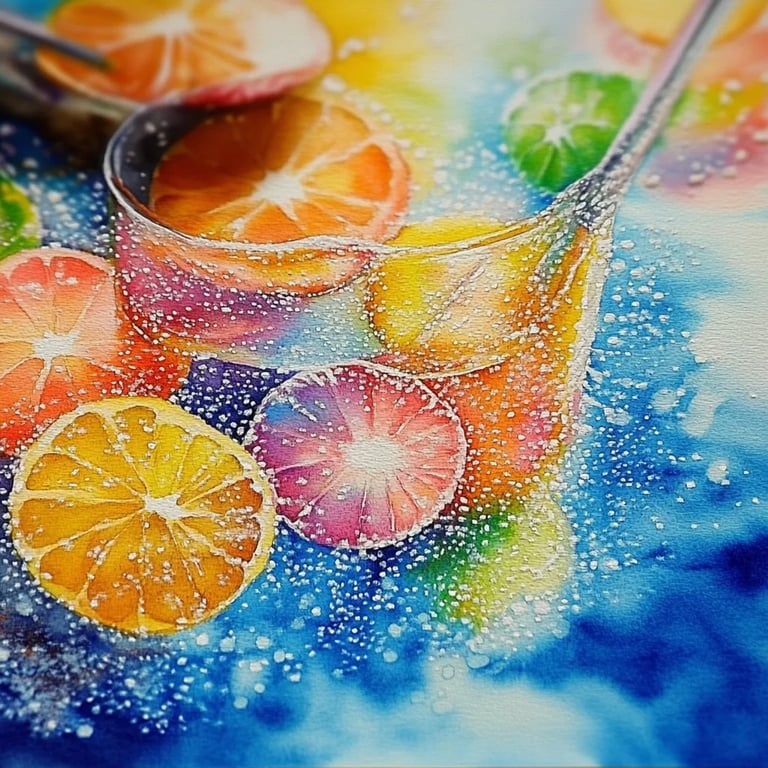
Sugar watercolor painting is an innovative and delightful way to merge art and culinary creativity. This unique approach embraces the beauty of watercolors while incorporating the playful essence of sugar, resulting in stunning and vibrant visuals. Whether you're an experienced artist or a budding enthusiast, learning how to create sugar watercolor paintings can be a fantastic and rewarding experience. In this guide, you’ll uncover the techniques, benefits, and joy of this amazing art form.
Exploring the world of sugar watercolor painting opens the door to endless possibilities. This combines traditional watercolor techniques with edible elements, allowing for both artistic expression and a bit of sweet fun. Imagine crafting lively landscapes, whimsical characters, or intricate designs using color washes made from sugar-based mixtures. This technique makes it not only accessible but also incredibly enjoyable, turning your kitchen into an art studio.
Why You’ll Love This Recipe
Diving into sugar watercolor painting brings together a plethora of exciting elements that enchant artists and casual creators alike. Here are a few reasons why you’ll fall in love with this craft:
- Creativity Unleashed – This method allows you to explore colors and textures like never before.
- Edible Art – Since sugar watercolor paints are safe for consumption, your artwork can be as tasty as it is beautiful.
- Family Fun – It’s a fantastic activity for all ages, perfect for both kids and adults.
- Versatile Medium – Use sugar watercolors for various projects, from cake decorating to personal crafts.
- Unique Result – Each piece is one-of-a-kind and often reveals surprising textures and visuals.
- Simplicity – The materials needed are straightforward and often found in most kitchens, making it accessible to everyone.
- Therapeutic Experience – Painting can be a great way to unwind and express your feelings through colors and forms.
These factors contribute to the growing popularity of sugar watercolor painting. Each stroke can evoke emotions, memories, or simply bring about joy. With these ingredients of creativity in mind, let’s look at how to prepare for this artistic endeavor.
Preparation and Cooking Time
Creating sugar watercolor paintings can vary in time based on the project size and your familiarity with the techniques. Here’s a breakdown to help you plan:
- Preparation Time: 15 minutes
- Painting Time: Varies (30 minutes to several hours depending on complexity)
- Drying Time: Allow 1-3 hours for the finished piece to dry properly.
These times may vary slightly based on your experience and the specific project you choose, but this framework should provide a good estimate.
Ingredients
To get started with sugar watercolor painting, you will need the following ingredients and supplies:
- Granulated sugar
- Water
- Food coloring (gel or liquid)
- Mixing bowl
- Whisk or spoon for stirring
- Palette or plate for mixing colors
- Brushes (various sizes for different effects)
- Water container (for rinsing brushes)
- Paper (watercolor paper or other suitable surfaces)
Step-by-Step Instructions
Follow these easy steps to create vibrant sugar watercolor paints and embark on your painting journey:
- Prepare Sugar Mixture: In a mixing bowl, combine granulated sugar and water in a 2:1 ratio. This means two parts of sugar to one part of water.
- Stir Until Dissolved: Use a whisk or spoon to mix until the sugar is fully dissolved. This might take a minute or two.
- Add Color: Gradually add food coloring to your sugar mixture until you reach your desired hue. Mix thoroughly to ensure even color distribution.
- Set Up Your Workspace: Gather your brushes, palette, and paper. Make sure everything is within reach.
- Start Painting: Dip your brush into the sugar watercolor paint and apply it to your paper. Explore different techniques to see how the paint interacts with the surface.
- Experiment: Use various brush sizes and strokes. Try layering colors and creating gradients for added depth.
- Dry the Painting: Once you've finished, leave your painting to dry. Depending on the thickness of the application, drying can take 1-3 hours.
- Display or Enjoy: Once dry, you can display your artwork or even use edible elements for decoration on desserts!
How to Serve
To enhance the experience of sugar watercolor painting, consider the following tips for serving or showcasing your artwork:
- Presentation: Choose an attractive display area for your completed works. Framing them can elevate their appeal.
- Interactive Sessions: Host a painting party where guests can create their own sugar watercolor art, fostering creativity and camaraderie.
- Edible Decor: Use your sugar watercolor paintings to adorn cakes, cupcakes, or cookies, turning your artwork into a delightful treat.
- Create Gift Sets: Gift your sugar watercolor paintings along with sweet treats to loved ones – it’s a unique and thoughtful gesture.
- Personal Gallery: Set up a small gallery at home featuring your sugar watercolor pieces, making it a delightful conversation starter for visitors.
Engaging in sugar watercolor painting not only allows you to express creativity but also provides an opportunity to connect with others through art. Whether creating for yourself or as a delightful gift, this fascinating technique is sure to bring joy and sweetness to any occasion!
Additional Tips
- Experiment with Techniques: Try using sponges, salt, or even bubble wrap to create unique textures in your sugar watercolor paintings.
- Maintain Consistency: Ensure your sugar mixture has the right consistency. It should be fluid but thick enough to hold color.
- Drying Conditions Matter: Dry your paintings in a cool, dry place to prevent melting and ensure the best results.
- Use Quality Brushes: Invest in a set of watercolor brushes. They can make a significant difference in your painting experience and final output.
- Keep It Clean: Always rinse your brushes thoroughly after using dark colors to avoid staining other mixtures.
Recipe Variation
There are endless ways to customize your sugar watercolor paint. Consider these variations:
- Natural Colors: Use natural fruit juices or vegetable extracts to create your colors instead of food coloring for healthier options.
- Use Different Sugars: Experiment with brown sugar or raw sugar to see how they affect the texture and color of your paint.
- Add Flavor: Mix in extracts like vanilla or almond to give your sugar watercolor a delightful scent and taste.
Freezing and Storage
- Storage: Keep your sugar watercolor paintings in a cool, dry place. If the paper is not used for immediate decoration, wrap it carefully to protect from moisture.
- Freezing: You can freeze excess sugar watercolor mixture in sealed containers. Just be sure to bring it back to room temperature and stir well before use.
Special Equipment
While sugar watercolor painting can be done with basic supplies, a few special tools can enhance your experience:
- Offset spatula for spreading colors smoothly.
- Fine-tip brushes for detailed work.
- Dropper for creating unique splashes and dots of color.
- Sprayer for water to control the paint’s moisture when needed.
- Dedicated watercolor palette to mix colors efficiently.
Frequently Asked Questions
Can I use any paper for sugar watercolor painting?
It’s best to use watercolor paper or thick paper that can absorb moisture well without tearing.
Is sugar watercolor painting safe for children?
Yes, as the ingredients are edible, but adult supervision is recommended when using materials like food coloring.
How long will the paintings last?
If stored properly, sugar watercolor paintings can last a few weeks, but their vibrant colors may fade over time.
What types of projects can I use sugar watercolor for?
You can use this technique for card making, cake decoration, or simply to create beautiful art pieces for display.
Can I combine sugar watercolor with traditional watercolor?
Absolutely! Feel free to mix techniques to create unique effects and explore your artistic expression further.
Conclusion
Sugar watercolor painting offers an enchanting blend of creativity and fun. It breaks boundaries between art and culinary skills, making it accessible for everyone. With simple ingredients and various techniques, anyone can create beautiful and edible artwork. This unique crafting experience not only nurtures creativity but also offers a chance to bond with loved ones. Whether you're painting a masterpiece or decorating a cake, sugar watercolor can bring sweetness to your artistic endeavors.