Sugar Water Painting: A Bright and Delicious Craft Adventure
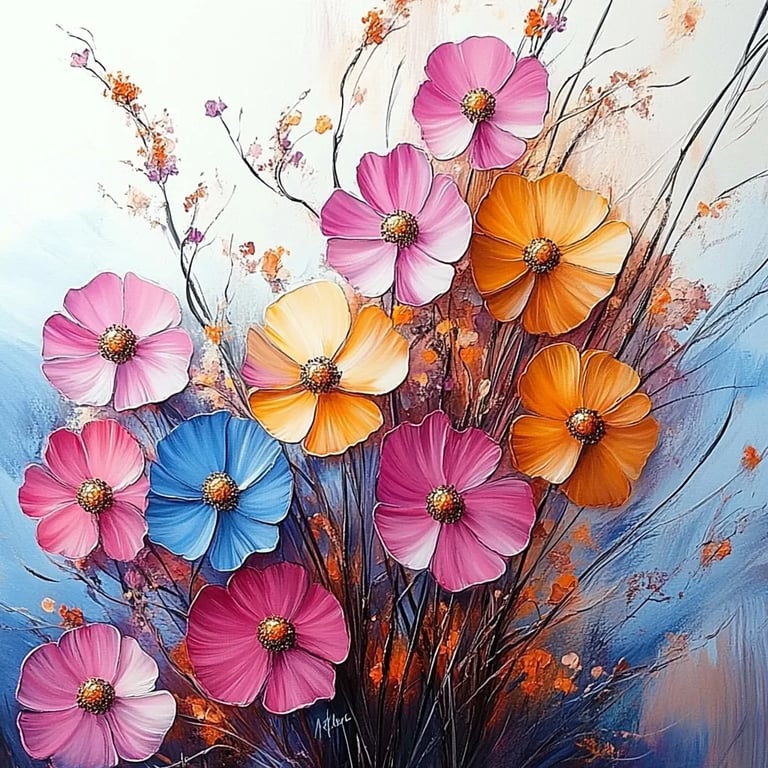
Hello, fellow crafters! Today, I’m excited to share with you one of my most cherished and enjoyable crafting experiences: making sugar water paintings. This delightful activity is not only a fun way to create vibrant art but also an interesting twist on traditional painting practices. Whether you’re looking to engage your kids in creative play, share a unique experience with friends, or simply want to explore new artistic mediums, sugar water painting is the perfect project.
Intrigued? Let’s dive in!
What is Sugar Water Painting?
Sugar water painting involves creating a mixture of sugar and water that serves as a water-soluble medium for colorful paintings. The resultant art pieces are unique; the paintings dry with a glossy finish that catches the light beautifully. The main allure of sugar water painting lies in its accessibility—all you need are basic kitchen ingredients and your imagination!
This technique can be especially popular during arts and crafts parties, rainy day activities with the kids, or as part of a summer camp program. It’s a fantastic option for young artists, as it's safe, easy to use, and clean up is a breeze!
Step-by-Step Tutorial for Sugar Water Painting
Materials You'll Need:
- Granulated Sugar: 1 cup
- Water: 1 cup
- Food Coloring: Liquid or gel (various colors to explore!)
- Paintbrushes: Various sizes for detailed work and broad strokes
- Toilet Paper or Paper Towels: For drying your brushes
- Paper: Watercolor paper, cardstock, or any white paper you prefer
- Palette or Bowls: For mixing colors
- Small Containers: To hold the colored sugar water mixtures
- Optional: Glitter, salt, or other embellishments (to add some sparkle!)
Instructions:
Step 1: Create Your Sugar Water Mixture
- Measure: In a bowl, measure out 1 cup of granulated sugar.
- Mix with Water: Slowly add 1 cup of warm water to the sugar, stirring continuously until the sugar completely dissolves. This step is crucial because it ensures that your paint has the right consistency. If you see sugar granules settled at the bottom, it’s a sign you need to stir more!
- Add Color: Divide the sugar water mixture into smaller bowls (depending on how many colors you want). Add a few drops of food coloring to each bowl, stirring to mix until you achieve your desired color. Experimenting with colors can be a creative joy!
Tip: The more food coloring you add, the more vibrant your painting will be. Conversely, use less for pastel effects or lighter shades.
Step 2: Set Up Your Workspace
Find a well-lit area with plenty of space to work. Lay newspaper or old cloths to protect your surfaces, as things can get a little sticky! Having paper towels on hand to quickly wipe up spills is always a good idea.
Step 3: Start Painting!
- Experiment with Techniques: Use your paintbrush to apply the sugar water mixture directly onto your chosen paper. Try out various techniques, like splattering for texture or broad strokes for backgrounds. Don't be afraid to let loose and have fun!
- Layering: If you want vibrant colors, consider adding layers. Once one color dries, you can paint over it with another color. Be cautious, though—too many layers might cause the paper to weaken if it gets too wet.
Step 4: Drying Your Art
Once you’ve completed your masterpieces, set them aside to dry. This shouldn’t take too long, approximately 30 minutes to an hour, depending on your paper and the thickness of your paint.
Caution: Make sure that your artwork doesn’t sit in direct sunlight while drying, as it could warp or dry unevenly.
Step 5: Display Your Artwork
Once your paintings are fully dry, consider framing them, hanging them up, or even giving them as gifts. The glossy finish that results from the sugar water is striking and unexpected!
Troubleshooting Common Issues
- Clumping of Sugar: If the sugar doesn’t dissolve fully, your paint may not spread as well. Ensure that your water is warm before mixing and stir continuously until everything is fully dissolved.
- Colors Running or Blending Too Much: If colors begin to bleed into each other while painting, it may be due to over-wetting the paper or using too much liquid. To fix this, switch to a drier brush or add less sugar water in future applications.
- Paper Wrinkling: Using thinner paper can lead to warping. If you notice this happening, try using a heavier paper like watercolor paper or cardstock for better durability.
Tips and Personal Insights
As an avid crafter who has enjoyed sugar water painting with my children numerous times, I can recommend a couple of additional insights:
- Safety First: Although the ingredients are non-toxic, always remind younger crafters not to taste the paint. Safety first!
- Alternative Ingredients: You can replace sugar with honey or corn syrup for a different texture and sweetness. However, this may change the drying time and final appearance, so do some experimental pieces first!
- Creative Variations: This technique can be adapted! For instance, use a straw to blow colors across the paper for a fun abstract look or sprinkle glitter on wet paint for a shimmering effect.
Every painting adventure I've had with sugar water has been filled with laughter and creativity, and I hope this tutorial inspires you to make beautiful art while enjoying a special crafting time with your loved ones.
Conclusion
Sugar water painting is a unique and captivating art form that combines simplicity with endless creative possibilities. By following this step-by-step tutorial and incorporating your personal touches, you can produce lovely artworks that spark joy. Remember, the most important part is to have fun and let your creativity flow! Happy painting!