Sink or Float Experiment: An Incredible Ultimate Guide to 10 Experiments
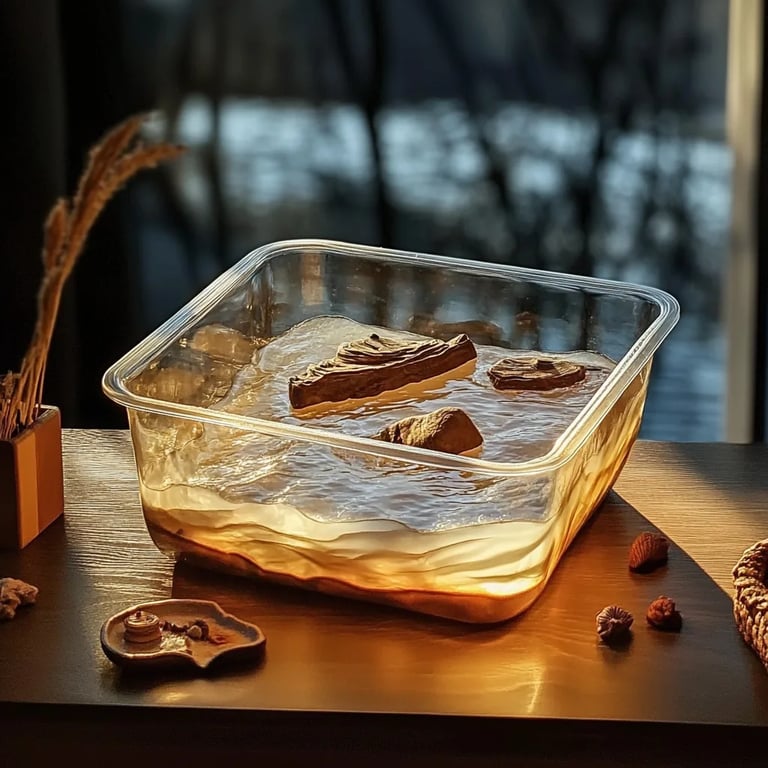
Sink or Float Experiment is a fantastic way to introduce scientific principles to children and curious minds alike. This hands-on activity captures the essence of scientific exploration while allowing participants to engage in fun and interactive learning. Simple to conduct, the Sink or Float Experiment teaches about density, buoyancy, and the properties of different materials.
At its core, this experiment encourages observation, prediction, and analysis. It sparks curiosity as children guess whether various objects will sink or float in water. Not only does it provide a great learning opportunity, but it also enhances critical thinking skills and fosters a sense of wonder about the physical world.
Imagine gathering around with family or friends, eagerly debating whether that rubber duck or metal spoon will float, while all the while learning about why they behave the way they do. The sense of anticipation and excitement surrounding the outcome builds a lively atmosphere. Overall, the Sink or Float Experiment may start as just a fun activity, but it evolves into a memorable experience that highlights scientific principles in an engaging manner.
Ready to dive in? Let’s look at why you’ll love this experiment, how to prepare it, and what you’ll need for a successful outing!
Why You’ll Love This Experiment
The Sink or Float Experiment holds many benefits that make it a must-try for anyone interested in science, education, or fun activities. Here are some reasons why this experiment is so appealing:
- Simple Setup: With minimal materials required, the setup is incredibly straightforward and accessible. Most items are common household objects you can easily find.
- Educational Value: It teaches essential concepts such as density, buoyancy, and the properties of matter. Understanding these principles provides a foundational basis for further scientific exploration.
- Engaging Activity: Children can be very engaged, predicting outcomes and discussing results. This interactive approach caters to different learning styles.
- Fun Variations: You can adapt the experiment based on the participants’ age or interest level. Consider incorporating themed objects or challenges.
- Promotes Critical Thinking: The experiment encourages participants to make predictions, observe outcomes, and analyze results, fostering skills essential for scientific discovery.
- Memorable Experience: Sharing in the excitement of discovery makes for lasting memories. The communal aspect of guessing and celebrating successes encourages teamwork and collaboration.
By considering all these factors, it's easy to see why the Sink or Float Experiment is cherished by educators and parents alike. It embodies learning through play, transforming a simple experiment into a vibrant exploration of scientific principles.
Preparation and Cooking Time
Total time for the Sink or Float Experiment is typically around 30 to 60 minutes. Here’s a quick breakdown to help you plan:
- Preparation Time: 10 minutes for gathering materials and setting up.
- Experiment Time: Approximately 15 to 30 minutes to conduct the experiment, depending on the number of objects tested.
- Discussion/Reflection Time: 10 to 20 minutes for discussing the results and what was learned.
These estimates may vary based on the specific circumstances and the age range of participants, but this framework should guide your planning effectively.
Ingredients
- Large container or basin filled with water
- Assortment of objects (such as):
- Rubber ball
- Spoon (metal or plastic)
- Rock
- Plastic bottle (empty and full)
- Leaf
- Coin
- Wooden block
- Apple
- Marbles
- Sponge
- Paper and pencils (for notes and predictions)
Note:
Feel free to be creative with the objects you choose. The more varied the better! Test items that you think people might be surprised by.
Step-by-Step Instructions
Conducting the Sink or Float Experiment is easy if you follow these clear steps:
- Gather Your Materials: Collect all the necessary items listed above.
- Setup the Experiment Area: Fill a large container or basin with water. Ensure it's placed on a stable surface.
- Arrange the Objects: Lay out all the objects you will test nearby.
- Make Predictions: Encourage participants to guess whether each object will sink or float. Have them write down their predictions for each item.
- Start Testing: One at a time, take each object and gently place it in the water.
- Observe Results: Watch closely as the object sinks or floats. Discuss why the outcome occurred and whether it matched or differed from predictions.
- Record Observations: Note down the results next to each object prediction. It can be fun to review unexpected results.
- Discuss Findings: Have a group discussion regarding what was learned. Why did certain objects sink or float? How did size, shape, or material affect their behavior?
- Repeat with Variations: Consider testing additional objects or modifying existing ones (by altering the state, like filling a bottle with water).
- Clean Up: Ensure all items are removed from the water and tidy up the area once the experiment concludes.
These steps will guide you through an incredible experience filled with discovery and learning!
How to Serve
While this experiment is primarily educational, here are a few tips to enhance the experience further:
- Interactive Setup: Invite many participants to ensure a lively discussion.
- Observation Journals: Provide journals for participants to document predictions and results, making it easier for everyone to follow along.
- Encourage Creativity: Allow participants to come up with their own objects to test after the initial round to ignite further experimentation.
- Follow-Up Activity: Consider an activity that relates to the concepts learned. This could be drawing illustrations of floating or sinking, creating a model, or performing a related experiment.
- Discussion Highlights: Use questions to promote critical thinking, such as: Why do we think this object floats? What characteristics do floating objects have? How could we change our test variables?
By taking these steps, you can captivate participants and turn the Sink or Float Experiment into an exciting, memorable experience that reinforces learning while having fun.
Additional Tips
- Use a Variety of Objects: Encourage creativity by testing a wide range of household items. This can lead to surprising results and fun discussions.
- Engage Different Age Groups: Tailor the complexity of the experiment based on the age of participants. Younger children may enjoy simple objects, while older kids can dive into more complex materials.
- Document Everything: Creating a chart with predictions and actual outcomes can help visualize the experiment and enhance learning retention.
- Encourage Questions: Prompt participants to ask why certain objects float while others sink. This can deepen their understanding and spark curiosity.
- Conduct the Experiment Outdoors: If weather permits, consider moving the experiment outside. This adds an element of fun and adventure.
Recipe Variation
Feel free to switch things up with these exciting variations:
- Themed Objects: Create challenges based on themes, such as holiday items or school supplies, to keep things fresh and fun.
- Weight Challenges: Test how adding weight to lighter objects affects their buoyancy. This creates a deeper exploration of density concepts.
- Nature Exploration: Use natural materials like stones, sticks, or leaves collected from a garden or park.
Freezing and Storage
- Storage: Once the experimentation is complete, dry and store the tested objects in a designated container for future experiments to maintain organization.
Special Equipment
While the Sink or Float Experiment requires few materials, having the right tools can enhance the experience:
- Large Container: A big basin or tub filled with water allows for easy testing of multiple objects.
- Measuring Tools: If you want to dive deeper into the science, a scale can help measure the weight of objects to compute density.
- Observation Journals: Providing participants with journals can encourage them to reflect on their predictions and results, enhancing the learning experience.
Frequently Asked Questions
What should I do if I can’t find specific objects?
You can use any available household items, such as batteries, coins, or fruits. The key is to use objects that spark curiosity.
Can I conduct this experiment indoors?
Yes, as long as you have a safe and stable surface, you can carry out the Sink or Float Experiment indoors.
What if the water spills?
To manage spills, conduct the experiment on a surface that is easy to clean, such as a kitchen table covered with old newspapers or towels.
Can I document this with drawings?
Absolutely! Encourage participants to illustrate their predictions and results. This can be a fun way to combine art with science.
How often can I revisit this experiment?
You can conduct the Sink or Float Experiment as often as you like, experimenting with new objects or variations each time.
Conclusion
The Sink or Float Experiment is an engaging and educational activity that fosters curiosity and critical thinking. It allows participants to explore the principles of density and buoyancy in a fun, interactive way. This experiment not only enhances scientific understanding but also strengthens bonds between family and friends as they collaborate and share laughter. Whether you conduct it indoors or outdoors, this experiment brings excitement to learning. Dive in, experiment with different objects, and create unforgettable memories while unraveling the wonders of science.