Sensory Bottles: The Incredible 7-Step Guide You Need
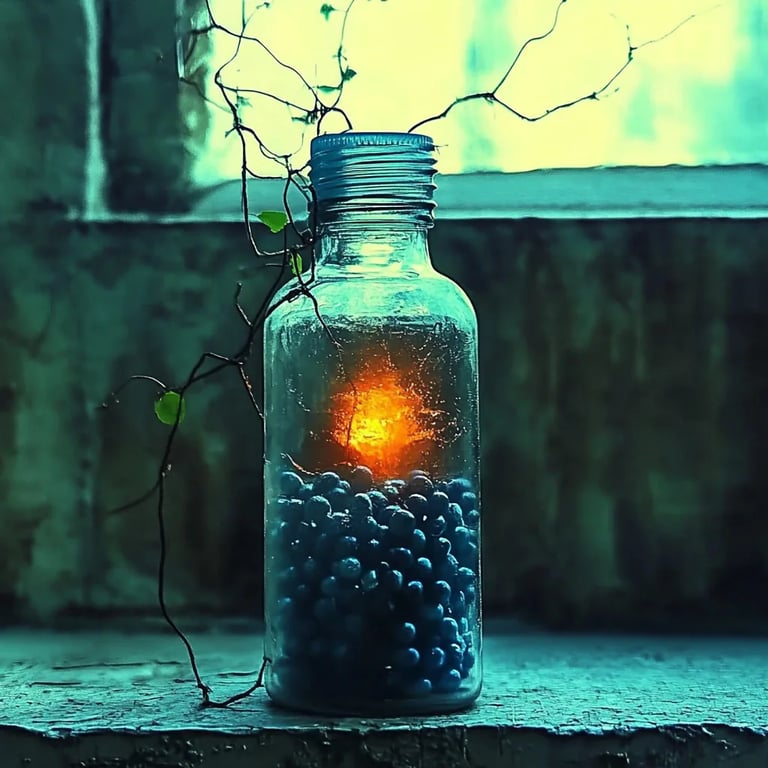
Sensory bottles are an amazing tool for engaging children’s senses and encouraging exploration. These colorful, visually appealing creations promote learning and calmness. In recent years, sensory bottles have gained popularity among parents and educators alike, thanks to their simplicity and effectiveness in developing children's cognitive and fine motor skills.
These bottles are not just fun to look at; they also provide sensory stimulation and can serve therapeutic purposes. Children can manipulate the contents, watch the flow of materials, and enjoy the satisfying sounds they produce. Imagine a colorful liquid swirling around as your child shakes it, capturing their attention for hours.
If you’ve been searching for an engaging activity to do with kids or simply want to create something calming for yourself, sensory bottles are a fantastic choice. In this guide, we’ll cover why you'll love making these bottles, the materials needed, step-by-step instructions, and tips for serving them. Prepare to unleash your creativity while creating these incredible sensory experiences!
Why You’ll Love This Recipe
Making sensory bottles can offer several delightful benefits for both kids and adults alike. Here are some reasons to be excited about these sensory activities:
- Easy to Customize – You can make sensory bottles that suit various themes, colors, and sensory experiences, allowing for endless creativity.
- Educational Benefits – These bottles enhance learning about colors, shapes, and even scientific principles, making them a fantastic educational resource.
- Great for Calmness – Sensory bottles can help children and adults manage anxiety and restlessness, providing comfort and a calming effect.
- Engagement with the Arts – Kids will channel their artistic skills as they experiment with different fillings and colors, making it a crafty endeavor.
- Interactive Play – Sensory bottles ignite curiosity and imaginative play, which can enhance fine motor skills as children manipulate the materials.
- Affordability – Most items needed for sensory bottles are inexpensive or can be found around the house, making this a budget-friendly activity.
- Family Bonding – Making sensory bottles together can be a wonderful family activity, encouraging teamwork and creativity among all ages.
Given these reasons, it’s clear why sensory bottles are an enriching experience. Each bottle you create can be tailored to fit the needs and interests of your child, making it a personal journey into the world of sensory play.
Preparation and Cooking Time
Creating sensory bottles requires minimal time and effort, making it an excellent activity for busy parents or teachers. Here’s a breakdown of the preparation time involved in making sensory bottles:
- Preparation Time: 20-30 minutes
- Setting Time: Depends on the filling materials used (some may take longer to settle)
These times may vary based on your choices of materials, but the overall process remains simple and enjoyable.
Ingredients
Here’s a list of materials you’ll need to create your sensory bottles:
- Clear plastic bottles or jars with a secure lid
- Water or clear hair gel
- Food coloring or liquid watercolors
- Glitter (optional)
- Small beads, sequins, or colorful pom-poms (for texture)
- Oil (baby oil or vegetable oil, optional)
- Sand, small stones, or rice (for added sensory effects)
- Items for filling (like shells, small toys, or foam shapes)
With these simple ingredients at your disposal, you're ready to embark on your sensory bottle-making journey!
Step-by-Step Instructions
Follow these easy steps to create your sensory bottles and unleash your creativity!
- Choose Your Bottle: Select clear plastic bottles or jars. Ensure they have tight-fitting lids to avoid spills.
- Fill with Liquid Base: Pour water, clear hair gel, or oil into the bottle, filling it about one-third full. The liquid base will serve as the primary medium.
- Add Color: Use food coloring or liquid watercolors to tint the liquid. Stir gently to mix the colors until you achieve your desired hue.
- Incorporate Textures: Add glitter, beads, or coarse materials like sand or rice for a sensory element. Experiment with different textured items to create a unique experience.
- Secure the Lid: Firmly close the lid of the bottle, ensuring it is leak-proof. If using a regular jar, consider using glue around the edge of the lid as extra precaution.
- Shake It Up: Give the bottle a good shake to mix everything. Watch as the colors swirl and the textures interact, creating an engaging visual display.
- Customize and Enjoy: Personalize your sensory bottle by adding themed items, like seashells for an ocean-themed bottle or colorful beads for a rainbow effect.
By following these steps, you’ll craft stunning sensory bottles that are visually captivating and enjoyable.
How to Serve
Serving sensory bottles can be simple and focuses primarily on how you present and use them with your child. Here are some creative ways to enhance the experience:
- Display Them: Arrange your sensory bottles on a shelf or table as decorative items while keeping them accessible for play. The visual appeal can enhance any space!
- Interactive Playstations: Use the bottles in sensory play areas, where children can freely explore their contents with their hands.
- Incorporate into Story Time: Use sensory bottles during storytelling sessions to engage children’s senses further. For example, a “rain” bottle can accompany a story about storms.
- Calming Techniques: Encourage children to use sensory bottles during moments of anxiety or restlessness. They can shake or manipulate the bottles when they need to relax.
- Thematic Play: Use bottles as part of educational themes, linking the contents of the bottle to topics being studied in school or at home.
- Gift Idea: Sensory bottles can make thoughtful gifts for other children. Consider personalizing them based on the recipient’s interests for a special touch.
By integrating these sensory bottles thoughtfully into playtime and learning, you’ll create a delightful and enriching environment. Sensory bottles are not just tools; they foster engagement, creativity, and a sense of calm that everyone can enjoy!
Additional Tips
- Experiment with Contents: Don’t hesitate to try different combinations of materials. Unique textures and colors create captivating bottles.
- Make It a Habit: Encourage your child to use sensory bottles during quiet time, fostering a routine of relaxation.
- Involve Kids in the Process: Let your children help choose items to go into the bottles. This builds excitement and ownership over the sensory experience.
- Label Your Bottles: Use stickers or tags to label each bottle. This adds an educational aspect, helping kids learn about colors or themes.
- Monitor Use: Always supervise younger children while using sensory bottles, especially if they contain small pieces.
Recipe Variation
Feel free to change the ingredients and designs of your sensory bottles! Here are some fun variations:
- Nature-Themed: Fill a bottle with leaves, small twigs, and pebbles for a nature-inspired sensory experience.
- Seasonal Themes: Adapt the contents based on the seasons. For instance, use warm colors and mini pumpkins in fall or cool colors with snowflakes in winter.
- Glow-in-the-Dark Bottles: Use glow-in-the-dark paint or glitter for a magical nighttime effect.
- Ocean Adventure: Combine blue water with seashells and sand for an ocean-inspired bottle.
- Holiday Bottles: Create sensory bottles for holidays, like red and green for Christmas or pastel colors for Easter.
Freezing and Storage
- Storage: Sensory bottles can be stored at room temperature or in a cool place. Make sure they are sealed tightly to avoid leaks.
- Long-Term Use: If you decide to change the contents, simply open the bottle, clean it out, and refill it with new items.
Special Equipment
While making sensory bottles typically requires minimal equipment, having a few essential tools on hand can improve your experience:
- Funnel: This helps in pouring small items into the neck of the bottle easily.
- Hot Glue Gun: Useful for sealing lids tightly to prevent spills, especially if you’re concerned about leaks.
- Scissors: For trimming labels or materials to fit inside the bottles.
Frequently Asked Questions
What are the best bottles to use for sensory bottles?
Clear plastic bottles or jars work best, ensuring the contents are easily visible while being safe for children.
Can sensory bottles be reused?
Yes, they can be cleaned and refilled with new materials anytime, allowing for endless creativity.
How can I clean the bottles if they get dirty?
Use warm soapy water to clean out bottles, and thoroughly rinse before refilling. Ensure they are completely dry before adding new materials.
Are sensory bottles safe?
As long as they are properly sealed and monitored during playtime, sensory bottles are safe. Always avoid small items for younger kids that could pose a choking hazard.
How do you use sensory bottles for calming?
Children can shake or roll the bottles slowly to watch the contents move. This action, paired with deep breathing, can help reduce anxiety.
Conclusion
Sensory bottles are not just a delightful craft; they are versatile tools that promote learning, creativity, and calmness in children. By creating these engaging sensory experiences, you can unlock new avenues for exploration and discovery. With minimal preparation and endless customization, sensory bottles offer a unique opportunity to bond with your child while providing a valuable educational resource. Enjoy the process of making these bottles and watch as they enhance the sensory world for your family!