Seashell Dissolving Experiment: An Amazing Ultimate Guide for Kids
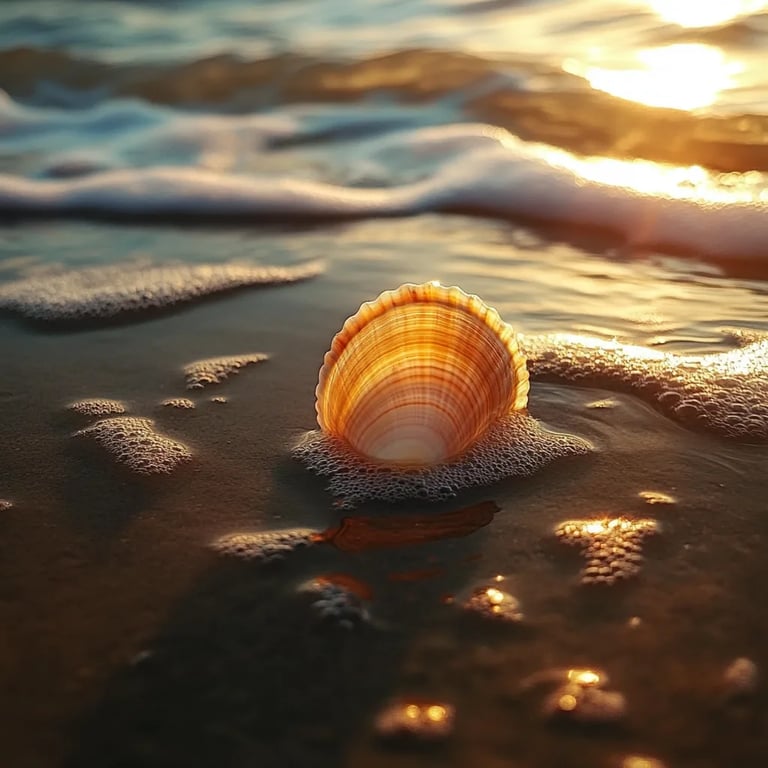
Seashell dissolving experiments are an amazing and incredibly engaging way to explore science through hands-on learning. By observing how seashells react to different substances, children can gain a better understanding of chemistry and ocean ecosystems. This fun experiment not only teaches valuable scientific principles but also ignites curiosity about the natural world. Parents and teachers alike can use this activity as a teaching tool, making it an essential addition to any educational program.
Have you ever wondered why seashells are so strong? What happens to them when they encounter different environments? The seashell dissolving experiment offers exciting answers! With simple materials, kids can witness chemical reactions and see real-life applications of concepts like acid-base chemistry and the effects of ocean acidification.
In this guide, you will learn everything you need to conduct this incredible experiment. We'll go through the reasons you’ll love this activity, preparation and cooking time, the ingredients required, step-by-step instructions, and how to serve up your findings to friends and family. So, roll up your sleeves, and let's dive into the fascinating world of seashells!
Why You'll Love This Experiment
The seashell dissolving experiment is not only fun but also educational. Here are some reasons why families and educators love this hands-on activity:
- Educational Insight – Kids learn about the chemical composition of seashells and the role of acids and bases in nature.
- Engaging and Fun – It's a hands-on experiment that captures children's attention and encourages curiosity.
- Simple Materials – The ingredients required are easy to find and affordable, making it accessible for all.
- Flexibility – The experiment can be tailored for different age groups, allowing for various levels of complexity.
- Visual Results – Watching the seashells dissolve provides vivid, observable outcomes that make science come alive.
- Promotes Critical Thinking – Children are encouraged to make predictions and analyze results, enhancing their scientific reasoning skills.
These points highlight why the seashell dissolving experiment is a favorite among educators and parents alike. It's a perfect way to spend quality time with kids while filling their minds with knowledge!
Preparation and Cooking Time
Preparing for the seashell dissolving experiment is quick and straightforward. Here’s a breakdown of the time required:
- Preparation Time: 10 minutes
- Experiment Time: 30-60 minutes (depending on the duration you choose to observe the shells)
- Total Time: Approximately 1 hour
This framework allows you to efficiently manage your time while ensuring the experiment remains engaging and insightful.
Ingredients
- 2-3 clean seashells
- A small bowl or container
- 1 cup of vinegar (white or apple cider)
- 1 cup of water
- Baking soda (optional for additional experiments)
- Food coloring (optional for fun visuals)
Step-by-Step Instructions
To conduct the seashell dissolving experiment, follow these simple steps:
- Gather Materials: Collect all necessary materials and ensure you have an appropriate workspace.
- Prepare the Seashells: Inspect the seashells and remove any sand or debris. Dry them off thoroughly.
- Set Up the Experiment: Place the seashells in the container or bowl.
- Add Vinegar: Pour the vinegar over the seashells, covering them completely.
- Observe the Reaction: Watch closely as bubbles begin to form, indicating a reaction between the vinegar and the calcium carbonate in the shells.
- Time It: For a basic experiment, let the seashells sit in the vinegar for 15 to 60 minutes and observe any changes. You can check periodically.
- Document Findings: Encourage children to take notes or draw pictures of the changes they observe during the experiment.
- Rinse and Repeat: Once you’ve observed the experiment, carefully remove the seashells. Rinse them gently with water to stop the reaction.
- Optional – Baking Soda Experiment: For further exploration, sprinkle baking soda on the shells and observe the reaction, which will create more bubbles.
- Discuss Results: Conclude with a discussion about what happened during the experiment and the science behind it.
These steps ensure that you can successfully carry out the seashell dissolving experiment while making it both educational and entertaining.
How to Serve
Presenting the findings of the seashell dissolving experiment can be just as important as the experiment itself. Here are some creative ways to "serve" your results:
- Create a Report: Encourage children to compile their findings in a report, including observations, drawings, and conclusions about what they learned.
- Visual Display: Set up a display of the seashells before and after the experiment, highlighting the differences.
- Educational Presentation: Invite friends or family to an educational presentation where kids can explain the experiment, their process, and results.
- Follow-up Activities: Engage in related activities, such as exploring ocean ecosystems or researching the effects of ocean acidification on marine life.
By emphasizing the findings and sharing the experience, you’ll leave a lasting impression that can inspire further exploration in science and nature!
Additional Tips
- Safety First: Always wear safety goggles, especially if younger children are involved in the experiment. Vinegar can irritate the eyes.
- Document Everything: Encourage kids to take photos or videos during the experiment. It enhances their understanding and keeps the experience fun.
- Timing Variations: Experiment with different soaking times. Kids can see how longer exposure to vinegar affects the shells more dramatically.
- Discuss Ocean Acidification: Use this experiment as a springboard to discuss how ocean acidification affects real marine ecosystems. This enriches their learning experience.
- Use Different Shell Types: If possible, try different types of seashells to see how the chemical reaction varies. Kids can compare results and make predictions.
Recipe Variation
There are numerous ways to expand on the seashell dissolving experiment for an enriched educational experience. Here are some variations to try:
- Acid Strength Testing: Instead of just vinegar, use lemon juice or other acidic liquids and compare the results.
- Colorful Reactions: Use food coloring in the vinegar to visualize how it spreads and changes. Ask kids to predict what will happen!
- Comparative Experiment: Use materials like chalk or eggshells to see how well these also dissolve in the same acidic environment.
- Ocean Simulation: Create a control experiment using seawater to explain how different environments can affect seashell integrity over time.
Freezing and Storage
While the seashell dissolving experiment doesn't produce edible results, proper storage and preparation for subsequent experiments can help:
- Storage: If you want to save seashells for future experiments or displays, keep them in a dry, moisture-proof container. Label with observation notes for added context.
- Display Options: Consider creating a “shell exhibit.” You can keep a record of various shells you’ve experimented with, displayed alongside your documented changes and observations.
Special Equipment
To ensure a smooth and successful seashell dissolving experiment, you may need some special equipment:
- Measuring Cup: For precise measurement of vinegar and water, ensuring accurate experiments each time.
- Magnifying Glass: Kids can use this to closely examine changes in the seashell's surface and reaction closely.
- Stopwatch or Timer: This will help track the duration of the experiment accurately.
- Notebook or Journal: For documenting observations and predictions, aiding in enhancing scientific reasoning and analysis.
Frequently Asked Questions
What should I do if nothing happens during the experiment?
Sometimes, the seashells may not react as expected due to their cleanliness or the quality of the vinegar. Ensure seashells are well prepared and that vinegar is fresh.
Can I use shells collected from the beach?
Yes! Using natural shells can make the experiment more engaging. Just make sure they are clean and dry before starting.
Is it safe for younger children to participate in this experiment?
Yes, but it’s crucial to monitor closely. Always supervise younger kids when handling vinegar and ensure they wear safety goggles.
How can I extend the learning experience further?
After the experiment, encourage research into marine life, ocean habitats, or even undertake a beach clean-up to understand the real-world implications of seashell preservation and ocean health.
What other substances can I try to observe reactions?
Apart from vinegar, you can also experiment with soda, lemon juice, or other acidic solutions to compare reaction rates and outcomes.
Conclusion
The seashell dissolving experiment is a captivating and educational tool that helps children learn about chemistry and environmental science. It allows for hands-on learning, and the visual results make it exciting and memorable. By engaging in this activity, kids can develop critical thinking skills and a deeper appreciation for the natural world. This experiment not only uncovers the wonders of science but also lays the groundwork for further explorations into marine ecosystems and chemistry. Dive into the world of seashells, and let the learning unfold in a fun and informative way!