Popcorn Science Experiment: Exploding Kernels of Knowledge!
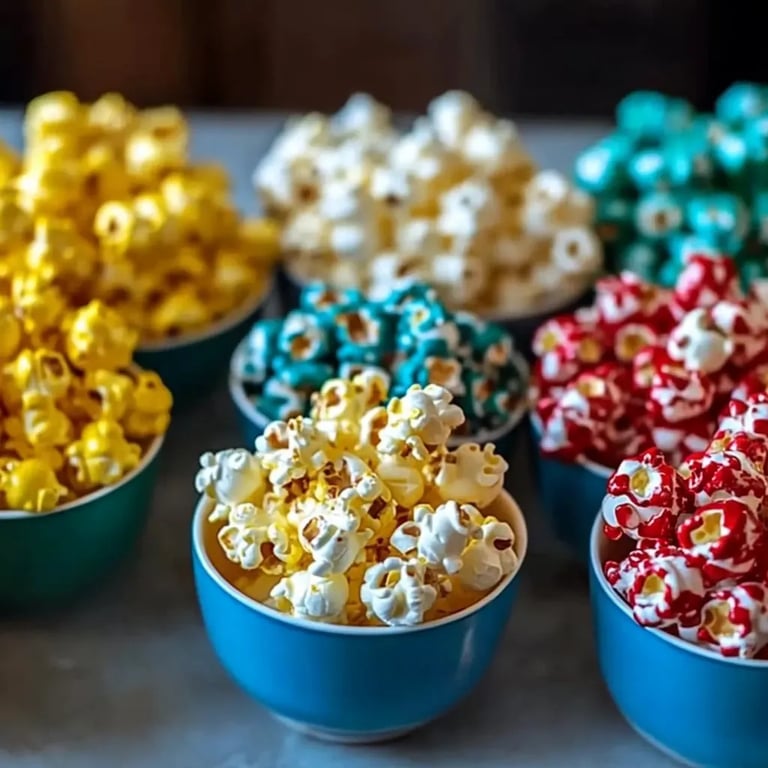
Hello, fellow science enthusiasts! Today, I’m excited to share one of my all-time favorite DIY science experiments: the popcorn science experiment. Not only does this colorful and crunchy snack bring smiles to faces everywhere, but experimenting with popcorn also opens the door to exploring scientific concepts like heat, pressure, and chemical reactions in a fun and engaging way.
Whether you’re looking for a hands-on science project for a classroom, a family night activity at home, or simply a unique way to share scientific principles with kids, this experiment fits the bill perfectly. So grab your popcorn kernels, and let’s pop into this delicious world of science!
Why Popcorn Science?
Popcorn is a staple snack for movie nights, parties, and casual munching. It's not just about the taste; it's about the transformation that happens when you apply heat! When heated, the moisture inside the kernel turns into steam, building pressure until the kernel bursts open—creating that delightful popcorn we all love.
But what makes this experiment even more fascinating is the opportunity to witness the power of science at work in our very own kitchens, with something as simple as popcorn! You’ll discover the wonders of physics, thermodynamics, and even a bit of chemistry—all while having a blast!
Materials Needed
Before we start, let’s gather our materials. You may already have some of these things at home, but here’s a checklist for convenience:
- Popcorn Kernels: Use plain popcorn kernels, not microwave popcorn.
- A Large Pot or Popcorn Maker: A large-bodied pot with a lid works well, but an electric popcorn maker is even better!
- Oil: Vegetable oil or any high-heat oil you have (like coconut or canola).
- Salt/Seasonings (Optional): For flavoring after popping.
- Measuring Cup: To measure your kernels.
- Stove or Heat Source: If you’re using a traditional pot.
- Heat-Resistant Spatula: For stirring or mixing.
- Bowl or Container: For serving your delicious popcorn!
Step-by-Step Instructions
Now, let's walk through this popcorn science experiment step by step!
Step 1: Prepare the Heat Source
Why It Matters: Even and consistent heat ensures that all kernels pop effectively.
If you’re using a stovetop, place your large pot on medium-high heat. For those using an electric popcorn maker, follow its instructions as it will handle the heat perfectly.
Common Pitfall: Too much heat will burn the popcorn, while too little won't pop it properly. It's about finding that sweet spot.
Step 2: Measure Your Kernels
Using your measuring cup, measure about ½ cup of popcorn kernels. This amount usually fills a large bowl once popped!
Tip: You can always adjust the amount depending on how many people you are serving.
Step 3: Add Oil
Drizzle in about 2 tablespoons of oil into your pot or popcorn maker. For the pot, ensure the oil covers the bottom evenly.
Why It Matters: The oil helps to conduct heat, which aids the popping process and prevents the kernels from burning.
Step 4: Add the Kernels
Once the oil is hot (you can check this by dropping in a few kernels—if they sizzle, it’s ready), add your measured popcorn kernels. Cover the pot with a lid if using one!
Common Pitfall: If you add the kernels when the oil isn’t hot enough, they might not pop well, or may burn instead.
Step 5: Wait and Listen
Now comes the exciting part—wait for the popping to begin! As the kernels heat up, steam will build up inside each kernel, eventually causing them to burst open.
Safety Warning: Keep a safe distance from the pot when popping. The steam can be hot, and the lid may bounce from the pressure.
Step 6: Shake It Up
If you’re using a pot, gently shake it back and forth every once in a while once popping starts. This helps distribute the heat evenly and prevents burning.
Insight: It’s fascinating to think about how pressure is building within those tiny kernels. You can even incorporate a mini-lesson about pressure and temperature changes here!
Step 7: Enjoy the Show
Once the popping slows down (about 2 seconds or more between pops), remove the pot from heat. Carefully lift the lid, as hot steam will escape.
Tip: Use oven mitts or a towel to protect your hands.
Step 8: Season and Serve
Transfer your popcorn to a large bowl. Sprinkle with salt or your favorite seasonings—think cheese powder, cinnamon, or even chocolate drizzle for fun variations!
Personal Anecdote: I love trying different flavors! One time, I made a spicy popcorn with cayenne and a sprinkle of lime. It was a hit during movie night!
Troubleshooting and Fixes
- No Pops: If your popcorn didn’t pop well (i.e., many unpopped kernels), check the oil temperature or the quality of your kernels. Old or stale kernels can fail to pop.
- Burnt Popcorn: If it burns, you may have had the heat too high. Lower the heat next time and keep an eye on it!
- Too Oily: If your popcorn feels greasy, reduce the amount of oil next time or use a different cooking method.
Creative Variations
Want to take your popcorn science experiment to the next level? Here are some fun variations you can try:
- Themed Popcorn: Make colorful popcorn by using colored sugars or natural food dyes mixed in with melted butter or oil.
- Different Kernels: Experiment with different varieties of popcorn such as kettle corn or flavored popcorn to see how they pop differently.
- Science Extensions: Discuss the science behind “why some kernels pop and others don’t.” This can lead to fascinating questions about pressure and molecular structure.
Final Thoughts
Popcorn is more than just a snack; it’s a gateway to learning and discovery! This popcorn science experiment not only entertains but also educates. I hope I've inspired you to dive into the world of science with this fun, hands-on project.
Remember, science is all about experimentation. Don’t be afraid to tweak the recipe to find what works for you best. Get your friends or family involved, ask questions, and most importantly, have fun with it!
So why not pop some kernels today and create your own deliciously scientific adventure? Happy popping!