Ocean Ice Melt Activity: A Dangerous Ultimate Insight into Climate Change
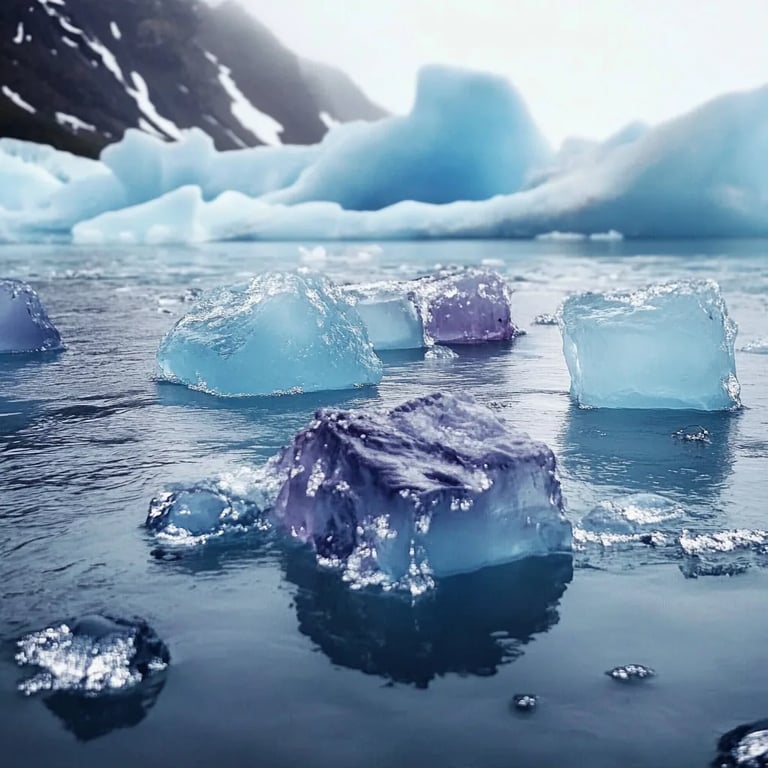
Ocean ice melt activity is one of the most dangerous aspects of climate change that significantly impacts our planet. As temperatures rise, glaciers and polar ice caps are retreating at alarming rates, with far-reaching environmental and societal consequences. The melting ice not only contributes to rising sea levels but also disrupts marine ecosystems and alters weather patterns. Understanding the processes and implications of ocean ice melt activity is crucial for developing strategies to mitigate climate change.
In recent years, scientific studies have shown that the Arctic region is warming approximately twice as fast as the global average. This rapid melting of ice has transformed the once-frozen surfaces into open water, affecting local climates and wildlife. The phenomena associated with ocean ice melt activity are increasingly visible, with breathtaking images of calving glaciers and expansive ice fields disappearing from maps.
This article aims to elucidate the causes, effects, and significance of ocean ice melt activity while addressing its implications for future generations. By exploring recent findings and ongoing research, readers can gain a deeper understanding of this critical environmental issue.
Why You’ll Love Learning About Ocean Ice Melt Activity
Understanding ocean ice melt activity yields numerous benefits. Here are several reasons to care about this pressing issue:
- Global Impact – Recognizing how ocean ice melt affects global sea levels alerts us to potential flooding in coastal areas.
- Ecosystem Awareness – Learning about the disruption to marine ecosystems fosters a deeper appreciation for biodiversity.
- Interconnectedness of Climate Systems – Grasping how ocean ice melt ties into larger climate change patterns enhances our comprehension of environmental science.
- Innovation Opportunities – Engaging with this topic opens doors for technology and policy solutions that can combat climate change.
- Community Engagement – Sharing knowledge can stimulate community actions aimed at climate advocacy and sustainable practices.
By delving into ocean ice melt activity, you’ll equip yourself with vital information that can help drive positive change. Understanding this phenomenon allows individuals and communities to engage more effectively in protective measures and policy discussions.
Preparation and Understanding Time
Gaining a comprehensive understanding of ocean ice melt activity can take time, especially given the intricate details involved. On average, preparing oneself to engage with this topic fully may require:
- Reading Time: Approximately 30-45 minutes of focused reading.
- Discussion Time: Engaging in discussions or attending lectures may require an additional hour.
- Personal Reflection: Spending time to reflect on implications personally and communally can add another 30 minutes to your exploration.
These time estimates will help you plan adequately for deepening your understanding of ocean ice melt activity and its significance on a larger scale.
Key Factors Contributing to Ocean Ice Melt Activity
Understanding the causes of ocean ice melt activity is crucial for grasping its implications. The main contributors include:
- Rising Global Temperatures: Increased greenhouse gas emissions and deforestation are primary drivers of temperature rises.
- Ocean Currents: The changing nature of ocean currents influences the transport of heat in the oceans, affecting ice formation.
- Albedo Effect: As ice melts, darker ocean surfaces are exposed, which absorb more sunlight and contribute to further warming.
- Volcanic Activity: Underwater volcanic eruptions can warm surrounding waters, accelerating ice melt.
- Agricultural Practices: Intensive agricultural practices lead to increased CO2 emissions and climate disruption.
By acknowledging these factors, we can engage in more informed discussions and efforts toward addressing climate change.
The Effects of Ocean Ice Melt Activity
The ramifications of ocean ice melt activity extend beyond just higher sea levels. Here are several critical impacts:
- Rising Sea Levels: Coastal cities face increased flooding risks and lost land, potentially displacing millions.
- Impact on Marine Life: Species dependent on stable ice levels, such as polar bears, are threatened.
- Weather Patterns: Changes in ice reflectivity influence weather phenomena, creating extreme weather conditions.
- Ocean Acidification: Increased freshwater influx reduces salinity, impacting marine ecosystems and biodiversity.
- Indigenous Communities: People who depend on the ice for traditional ways of life face cultural and economic destabilization.
The myriad influences of ocean ice melt activity reinforce the urgency of climate action and public awareness.
Research and Findings on Ocean Ice Melt Activity
Recent scientific studies have enhanced our understanding of ocean ice melt activity. Here are some notable findings:
- Researchers find that the Antarctic ice sheets could contribute to sea level rise significantly by the year 2100.
- Observations indicate that Arctic sea ice extent is at its lowest recorded level, affecting migratory patterns of animals.
- Satellite imaging technology reveals details about melting glaciers, showing rapid loss in specific regions.
- Data shows that ocean currents are changing due to ice melt, which may lead to unpredictable weather events globally.
These findings emphasize the importance of ongoing research in formulating effective climate policies. Continued investigation into ocean ice melt activity will help us develop better tactics to mitigate its impact.
How to Stay Informed and Engage with Ocean Ice Melt Activity
Awareness is crucial in combating the challenges posed by ocean ice melt activity. Here are effective ways to stay informed:
- Follow Scientific Journals: Keeping up with publications like "Nature" and "Science" will provide insights into the latest climate research.
- Participate in Community Discussions: Engaging with local environmental groups fosters awareness and action.
- Attend Workshops and Seminars: Educational events often highlight recent findings and innovative solutions.
- Utilize Educational Resources: Online courses and documentaries can expand your knowledge.
By being proactive in your learning, you empower yourself to advocate for meaningful change.
How to Serve
Bringing awareness to ocean ice melt activity involves serving knowledge effectively:
- Create Visual Presentations: Use graphs and images to illustrate the urgency of the issue.
- Hold Community Events: Organize activities that educate others about the effects of ocean ice melt.
- Partner with Local Organizations: Collaborate with environmental groups to amplify messages and initiatives.
- Encourage Action: Motivate individuals to reduce carbon footprints or support climate legislation.
By engaging others in meaningful conversations, you foster greater commitment to understanding and addressing ocean ice melt activity.
Additional Tips
- Understand the Terminology: Familiarize yourself with terms like "albedo effect" and "climate feedback loops" for deeper insight into ocean ice melt activity.
- Stay Updated: Follow climate scientists and environmental organizations on social media for timely updates on research and climate policies.
- Promote Education: Host workshops focused on the significance of ocean ice melt activity in schools or community centers to raise awareness.
Recipe Variation
Experiment with these variations to broaden your understanding of ocean ice melt activity:
- Interdisciplinary Approach: Integrate teachings from economics and sociology to gain a better perspective on climate impacts.
- Engage in Citizen Science: Participate in projects that focus on climate change and ocean ice melt activity to contribute to larger data sets.
- Create Infographics: Design informative graphics summarizing key findings about ocean ice melt activity to share in your community.
Freezing and Storage
- Storage: Maintain a consistent routine of educating yourself and others on ocean ice melt challenges. A well-informed community can make lasting changes.
- Freezing: Consider maintaining a record of observations regarding local climate changes to create a historical reference for future discussions.
Special Equipment
Here are essential tools to better engage in research and activism around ocean ice melt activity:
- Scientific Journals: Access online platforms or physical copies of climate science journals to read current research findings.
- Data Visualization Software: Utilize tools for visual representation of statistical data related to ice melt impacts, making them easier to understand.
- Survey Tools: Gather feedback from community members regarding their understanding and views on climate change and ocean ice melts.
Frequently Asked Questions
What is the most significant consequence of ocean ice melt activity?
The most significant consequence is the increase in sea levels, which threatens coastal communities worldwide.
How can I contribute to ocean conservation?
You can participate in local clean-up efforts and promote sustainable practices in your community.
Are there educational resources available for children regarding climate change?
Yes, many organizations offer age-appropriate educational materials on climate change and ocean science for children.
How often does research on ocean ice melt get updated?
Research on ocean ice melt is ongoing, with new findings shared regularly through journals and media outlets.
Is there a way to track ocean ice melt activity personally?
Yes, you can monitor changes through satellite imagery and scientific reports provided by agencies like NASA and NOAA.
Conclusion
The impact of ocean ice melt activity on our environment cannot be overstated. As glaciers retreat and polar ice caps diminish, the consequences resonate throughout the globe. A thorough understanding of this phenomenon empowers individuals to engage in meaningful action. From community outreach to policy advocacy, informed citizens can influence climate change efforts. Therefore, staying aware and proactive about ocean ice melt activity is crucial for a sustainable future.