Mastering Baking Soda Painting: A Whimsical Journey into Creativity
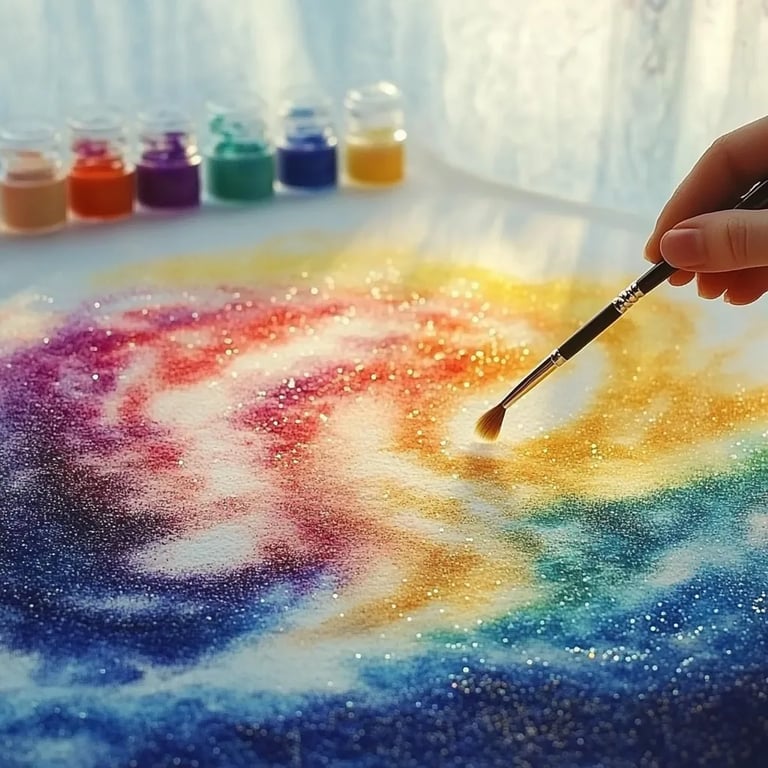
Hello, fellow crafters! Today, I am thrilled to share one of my absolute favorite and most delightful creative projects—Baking Soda Painting. This process is not only fun and easy but also a fantastic way to engage both children and adults in a playful yet artistic endeavor. If you're like me and love to explore unconventional painting techniques, you will find this method not only visually striking but also satisfying.
What is Baking Soda Painting?
Baking Soda Painting is a fun and interactive art technique that uses a combination of baking soda, vinegar, and food coloring mixed together to create intriguing textures and vivid colors on paper. The chemical reaction between baking soda and vinegar produces bubbles and fizz, which adds to the excitement of the painting process. This technique is not only popular among parents and educators for its simplicity and the sensory experience it offers but is also a hit at parties and craft events.
When you want to create playful art, share moments with friends or family, or simply enjoy some leisure time, Baking Soda Painting is a perfect choice!
Gather Your Materials
Before we dive into the step-by-step process, let’s collect everything we will need. Trust me; having everything ready makes it much easier to immerse yourself in the creative process.
Materials:
- Baking Soda: The star of our show! It creates the base for our painting.
- White Vinegar: This reacts with the baking soda to create bubbly textures.
- Food Coloring: Choose vibrant colors that inspire you. You can also experiment with natural dyes from fruits or vegetables if you prefer.
- Paper: Thick watercolor paper or cardstock works best, but any paper will do.
- Small Bowls or Cups: For your baking soda and food coloring mixtures.
- Paintbrushes: Use different sizes to create various effects.
- Pipettes or Droppers: These are optional but great for precision.
- Plastic Aprons and Gloves: To keep your clothes clean (trust me; this can get messy!).
- Spoon or Whisk: For mixing.
Step-by-Step Guide to Baking Soda Painting
Step 1: Preparation is Key
Start by gathering your materials. If you’re working with kids, let them help set up the workspace and arrange the supplies. This not only involves them in the process but also builds anticipation!
Why this matters: A clear and organized workspace boosts creativity and reduces distractions. Plus, you won't be scrambling for materials mid-creation.
Step 2: Mix Your Baking Soda Paint Base
In your small bowls, combine about 1/4 cup of baking soda with a splash of water until you achieve a thick, paste-like consistency. You want it to be thick enough to hold its shape but fluid enough to paint with.
Common pitfalls: If the mixture is too runny, it will not hold to your paper well. If it’s too thick, it might become challenging to work with. Aim for an in-between texture.
Step 3: Create Colorful Mixtures
Next, add a few drops of food coloring to the baking soda mixture. It’s fun to make multiple colors, so feel free to divide into several bowls and create a vibrant palette!
Pro Tip: Experiment with color mixing! Mixing basic colors can lead to beautiful new shades—perfect for any art project.
Step 4: Apply Your Baking Soda Paint
Grab your paintbrush and start painting on the paper. I usually lay down a base color first, then add layers to create depth. You can swirl, dab, or even splatter the mixture onto the paper—whatever feels good!
Why layering matters: The texture differences will add a unique dimension to your artwork.
Step 5: Introduce the Vinegar Reaction
Here comes the fun part! Using a pipette or dropper, carefully drip white vinegar onto the areas where you've painted. Watch the magic unfold as the baking soda fizzes and bubbles with the vinegar!
Common issues: If you find that your vinegar isn’t fizzing, it might be too diluted. Ensure you’re using standard white vinegar for the best reaction.
Step 6: Let It Dry!
Once you've enjoyed the fizzing reaction, set your artwork aside to dry. Depending on how thickly you painted, this could take a few hours. It’s always tempting to touch it right away, but patience is key.
Step 7: Admire Your Creation
Once it’s dry, you can hang it up, frame it, or gift it! The vibrant colors and textures will spark joy, and there’s nothing quite like the feeling of a completed piece of art.
Troubleshooting and Tips
- Too Much Fizz: If you find that your paint is bubbling excessively and losing its shape, you may have over-applied the vinegar. A little goes a long way!
- Not Enough Color: If your colors feel muted, consider using more food coloring. You could also try mixing in a bit of extra water into the paint to make it easier to spread.
- Mess Management: If you’re working with kids, have a wet cloth nearby. This will help wipe up any spills quickly and keep the area tidy.
- Safety: Although both baking soda and vinegar are non-toxic, always supervise kids during this process, especially when dealing with colorants that may stain.
Creative Variations
Now that you’ve learned the basics, why not shake things up? Here are a few fun alternative methods and themes to explore:
- Mix in Salt: Use salt in your baking soda mixture to create a different textural effect.
- Use Stencils: Place stencils on your paper before painting to create unique patterns.
- Engage Nature: Collect leaves and flowers from your garden to use as stamps! Dip them in the baking soda paint for a unique natural impression.
- Themed Art: Create themed art for holidays or events—maybe a fireworks explosion for Independence Day, or snowflakes in winter!
A Personal Touch
As someone who has spent countless weekends experimenting with different crafts, I've found that Baking Soda Painting holds a special place in my heart—it's a gateway for creativity without the overwhelm. Plus, I've seen firsthand the laughter and excitement it brings to families and friends, making it one of my favored activities to share.
In my experience, each finished artwork tells a story—the zoom of color against the bubbling backdrop adds an unexpected layer of joy. Always remember, it’s not just about the finished piece but also about the fun and memories made in the process.
Time to Get Crafty!
Now that you're equipped to embark on your Baking Soda Painting adventure, gather your supplies and unleash your inner artist! Whether you’re crafting with kids or indulging in some self-care on your own, the joy of creation awaits. Happy crafting!