How to Make Your Own Squishy Masterpiece: A Comprehensive Guide
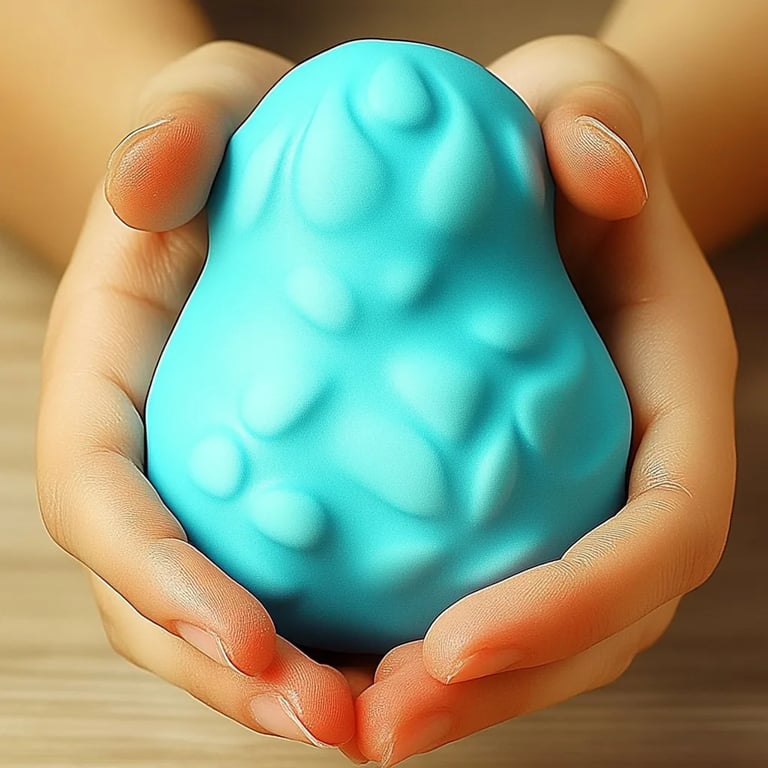
Hello, fellow crafters! Today, I’m excited to share with you one of my favorite creative outlets: making squishies! You might have seen squishies pop up all over social media and online marketplaces—those delightful, slow-rising foam toys that feel like a stress ball mixed with a piece of art. But what are they, why are they so popular, and how can you make your own unique squishy masterpiece? Let’s dive in!
What is a Squishy and Why Are They Popular?
Squishies are typically made from soft, foam material that has a slow-rising effect when you squeeze them. They come in all sorts of shapes and designs, from squishy food items like donuts and cupcakes to cute animal faces and cartoon characters. The appeal lies in their tactile nature and the visual pleasure they provide. Kids and adults alike love squeezing and compressing them, finding comfort and stress relief in the process.
Squishies can be used for various occasions—decorative pieces in your home, party favors, stress relief toys, or even as personalized gifts. They're also an incredibly fun activity for crafting enthusiasts, especially those who enjoy customizing and expressing their creativity.
Materials You’ll Need
Before we jump into the step-by-step tutorial, let’s gather our materials. Don’t let the list overwhelm you! Most of these items are likely already in your home or can be found at your local craft store.
- Foam material: You can use soft foam sheets, a squishy toy to repurpose, or specifically designed squishy foam.
- Paint: Acrylic paints work best for vivid colors. If you want to add a glossy finish, consider using fabric paint or puff paint.
- Sealant: To protect your squishy masterpiece. A spray acrylic sealant works well.
- Decorative items: Think googly eyes, beads, glitter, or even scented oils for a fragrant twist.
- Sculpting tool: A plastic knife or craft knife for shaping foam.
- Glue: Strong craft glue or a hot glue gun for assembling different parts.
- Air-dry clay (optional): If you want to create specific details or embellishments.
- Sponge or paintbrush: For easy painting application.
- Plastic wrap or freezer bag: To keep your workspace clean.
- Paper towels: For quick clean-up of spills or mistakes.
Step-by-Step Tutorial
Step 1: Design Your Squishy
Start by brainstorming your design! What shape do you want? A cupcake is a classic choice. Sketching out your idea on paper can help solidify your vision. Remember, it's your squishy, so let your imagination run wild!
Why It Matters: Having a clear design will streamline your crafting process and result in a better final product.
Step 2: Prepare Your Foam
Cut the foam into your desired shape using the sculpting tool. If you’re making a cupcake, for instance, you might need a base and a top (the frosting).
Tips:
- If using foam sheets, layer them to get the right thickness.
- Mistakes can happen; if you cut the foam too small, use some glue to add an extra piece.
Step 3: Paint Base Layers
Once your foam is cut, it’s time to start painting! Begin by applying a base color to each of your foam pieces. Use a sponge to dab the paint on for a smooth finish.
What Could Go Wrong: The paint might soak into the foam, causing it to become too soft. To avoid this, add a thin coat and let it dry before adding more layers.
Step 4: Detail Work
Now it’s time to get creative! Add details with different colors. Maybe a cherry on top or sprinkles for your cupcake. If you want a glossy look, seal the paint with a clear gloss spray once fully dry.
Creative Variations: Use metallic or neon paints to add a unique flair. You can also embed beads or glitter into the foam before sealing to give it extra dimension.
Step 5: Assemble Your Squishy
Glue together the separate pieces of your squishy. Be generous with the glue and allow it plenty of time to dry. If you’re adding additional details made from air-dry clay, now is the time to mold them and let them set.
Safety Warning: If you’re using a hot glue gun, be careful! The glue can get very hot and cause burns, especially for younger crafters.
Step 6: Final Touches
Once everything is dried and assembled, inspect your squishy masterpiece. You might want to add some more paint details, googly eyes, or additional embellishments. Finish with a sealant spray to protect your design and give it a professional look.
Troubleshooting Common Issues
- Paint Fading: If your colors begin to fade after sealing, it could be due to the sealant type. Test a small area first, preferably on a scrap piece.
- Foam Becoming Too Soft: If your foam squishy is too soft, look into firmer types of foam for your base, or consider doubling the layers next time.
Personal Anecdotes and Tips
I remember the first squishy I made looked more like a sad blob than a cute cupcake! It was a learning experience, but it taught me the value of taking my time with each step. As you pour your heart into this craft, don’t rush. Crafting is all about mindfulness.
Ah, also keep a clean workstation. I once ended up with purple paint everywhere because I got caught up in the excitement. Lay down plastic wrap or a freezer bag beneath your craft area to make clean-up easier!
Alternative Methods and Ingredient Substitutions
If foam isn’t accessible, you can use:
- Balloon method: Fill a balloon with flour or cornstarch to achieve a squishy effect. This is less durable but can be a fun alternative.
- Paper Mache: Create squishies with paper and a flour-based paste, although these won't be as soft and resilient.
Wrap-up
So there you have it, a detailed guide to making your very own squishy masterpiece! Whether you’re looking for a therapeutic hobby or a fun project with friends or family, crafting squishies is a delightful way to unleash your creativity. Take your time, enjoy the process, and don’t be afraid to experiment or make mistakes along the way.
Now, go ahead and get crafting! I can’t wait to hear about the squishy masterpieces you create. Happy crafting!