How to Make Your Own DIY Bouncy Ball: A Fun and Simple Crafting Guide
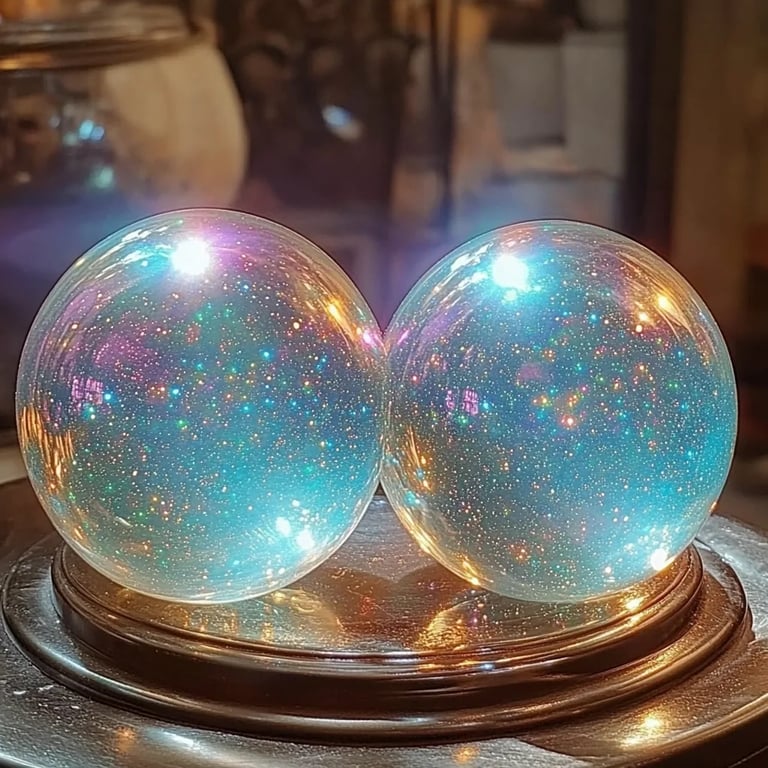
Welcome, fellow crafters! Today, I’m thrilled to share with you one of my all-time favorite DIY projects: making your very own bouncy ball! Not only is this craft incredibly fun, but it also serves as a fantastic learning experience. Whether you’re looking to entertain kids during a rainy day or want a nifty stress reliever for your workspace, bouncy balls are a delightful addition to any collection. Let’s get bouncing!
What’s All the Hype About Bouncy Balls?
As a child, I remember the thrill of watching a bouncy ball spring back to life after hitting the ground. It’s this simple joy that makes these little spheres so popular. Beyond play, bouncy balls can be used for various games, stress-relief activities, and even as giveaways for parties. Making your own adds a personal touch and lets you experiment with colors and sizes.
When to Make Bouncy Balls
A DIY bouncy ball project is perfect for:
- Birthday Parties: Kids can create their own party favors.
- Rainy Days: A fun indoor activity for the family.
- School Projects: Teach kids about chemistry and physical properties.
- Team-building Activities: Bond with friends or coworkers while crafting.
The Materials You’ll Need
Before we dive into the step-by-step process, let’s gather our materials. Most of these items are accessible, making this a budget-friendly craft:
- White Elmer's Glue (4 oz): This is the base of our bouncy ball.
- Liquid Starch (preferably a brand like Sta-Flo): This is what makes the ball form solid.
- Cornstarch: Adds to the firmness of the ball.
- Food Coloring: For a splash of vibrancy!
- Mixing Bowl: To combine everything.
- Spoon or Stir Stick: For blending ingredients.
- Wax Paper or Plastic Wrap: For placing your balls to dry.
- Optional: Glitter or glow-in-the-dark powder for added flair.
- Safety goggles and gloves: For safety, especially if crafting with kids.
Step-by-Step Tutorial for Making a Bouncy Ball
Now that we have everything, let’s roll into the crafting process!
Step 1: Mixing the Glue and Cornstarch
Begin by pouring about 2 tablespoons of white Elmer's glue into your mixing bowl. Next, add 1 tablespoon of cornstarch. Stir these two ingredients together until they’re well combined. This step is crucial as it creates the foundation of your bouncy ball.
Tip: If the mixture is too thick or doesn’t seem well combined, you can add a splash more glue or cornstarch, adjusting until you reach a playdough-like consistency.
Step 2: Adding the Liquid Starch
Now comes the fun part! Slowly add about 1 tablespoon of liquid starch into your mixture. Stir continuously as you pour to prevent any lumps from forming. You’ll notice the mixture beginning to take on a rubbery texture. This is an important sign; it means the ingredients are reacting, and it’s on its way to forming a bouncy ball!
What Could Go Wrong? If your mixture becomes too runny, add a bit more cornstarch. If it’s too thick, a bit more starch can help. Finding that perfect consistency is key to achieving a bouncy ball that really springs!
Step 3: Introducing Color
Now that your mixture has taken shape, it’s time to add the fun! Add a few drops of food coloring to your mixture, and stir to blend. Feel free to be creative! You can create a blend of colors or even use glitter for some sparkle. Just remember that less is often more; a couple of drops will go a long way.
Step 4: Shaping the Ball
Once your mix has a smooth texture and beautiful color, it’s time to shape it into a ball. Take your mixture and use your hands to form it into a ball shape, roughly the size of a Ping-Pong ball. Don’t worry about achieving perfection; the beauty of crafting lies in its imperfections!
Safety Warning: If you’re working with kids, ensure they wash their hands afterwards, especially since glue and starch can be sticky.
Step 5: Drying Time
Place your freshly made bouncy ball on a piece of wax paper or plastic wrap. Allow it to dry for at least 24 hours. While waiting can feel like the hardest part, it's crucial for achieving that signature bounce!
What Could Go Wrong? If the ball doesn’t seem firm after drying, you may have used too much starch or insufficient glue. Simply adjust your ratios next time, or let it dry a bit longer!
Creative Variations
Feeling adventurous? Here are some creative twists to your DIY bouncy ball:
- Glittery Balls: Add glitter in your choice of color for an eye-catching bounce.
- Glow-in-the-Dark Balls: Use glow-in-the-dark powder mixed with the cornstarch for fun nighttime games.
- Color Combos: Layer different colors of the mixture in the ball to create swirls.
Personal Anecdote
The first time I made these bouncy balls was with my kids on a chilly Saturday afternoon. What began as a simple craft turned into a memorable bonding experience filled with laughter, wild color experiments, and even a mini-bouncing bowl competition in our living room. The joy on their faces when they realized they could make them anytime they wanted was priceless!
Final Thoughts
And there you have it—your very own DIY bouncy ball! This project is not only enjoyable but also a great way to explore creativity and learn about mixtures. Remember, crafting is about the journey, not just the destination. Don’t hesitate to experiment with colors and textures to truly make it your own!
Remember: A bit of patience and practice will lead to the perfect little spheres of joy. I hope you enjoy making these bouncy balls as much as I do, and I can’t wait to hear about your unique creations! Happy crafting! 🌟