How to Make Taste-Safe Kinetic Sand: A Step-by-Step Guide
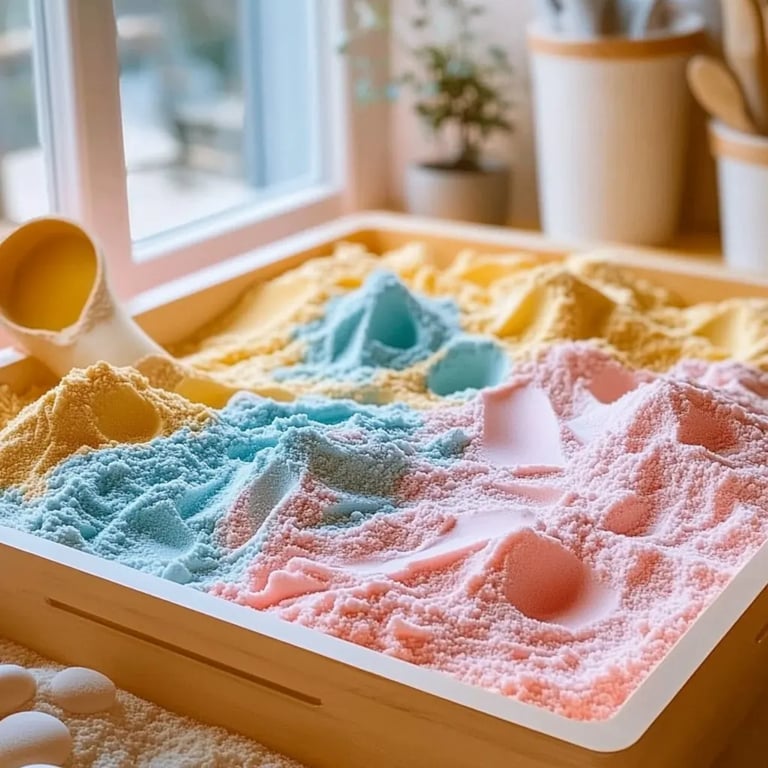
Hello fellow crafters! Today, I’m excited to share my tried-and-true method for making taste-safe kinetic sand. This delightful sensory material has taken the playtime world by storm, and for good reason! It’s moldable, squishy, and oh-so-fun to play with, making it perfect for kids—and the taste-safe aspect means you can have peace of mind if little ones decide to take a nibble.
What Is Kinetic Sand and Why Is It So Popular?
Kinetic sand is a unique type of sand that sticks to itself but not to you. When I've worked with kids, it opens up a world of creativity, enhancing fine motor skills, promoting imaginative play, and providing sensory stimulation. It's like bringing the beach indoors without the mess of water and the potential hazards of real sand.
Kinetic sand can be used in various settings: during arts and crafts sessions, for sensory bins at home or in classrooms, and even as a fun activity for family gatherings. However, traditional kinetic sand is not fit for consumption, raising concerns for parents. That’s where taste-safe kinetic sand comes in! It allows children to explore, play, and—even if they are a bit curious—taste without any harm.
Materials You Will Need
Before we jump into the how-to, let’s gather our materials. Don’t worry; everything I’m going to list is easy to find:
- Cup of flour (plain all-purpose flour works fine)
- 1/2 cup of vegetable oil (this acts as a binder and gives the sand its unique texture)
- 1/2 cup of sand (fine play sand or colored sand for fun variations)
- Food coloring (optional but adds a visual appeal)
- A large mixing bowl
- A spatula or your hands (for mixing)
Step-by-Step Tutorial
Step 1: Combine Flour and Sand
Start by pouring 1 cup of flour and 1/2 cup of fine play sand into your large mixing bowl. Using flour enhances the texture and helps create that signature moldable feel of kinetic sand.
Tip: If you want to use colored sand or even add glitter, here’s a chance to be fun with it! Do note that the more colorful options might affect the final texture slightly, so experiment cautiously.
Step 2: Mix in the Vegetable Oil
Add 1/2 cup of vegetable oil to the dry ingredients. This step is crucial because the oil acts as the binding agent, holding everything together and giving the sand its moldable quality.
What Could Go Wrong: If it’s too oily, it might become more limp than kinetic. Conversely, if you don’t add enough oil, the mixture will be too crumbly. Always mix thoroughly but adjust your ingredients as necessary for the right consistency.
Step 3: If Desired, Add Food Coloring
If you're stirring in food coloring for a fun twist, make sure you do it gradually. Start with a few drops and work it into the mixture until you reach your desired shade!
Safety Warning: Use food coloring that is safe for children to prevent any allergic reactions. Always test a small amount on the skin before using.
Step 4: Mix Until Fully Combined
Now comes the fun part! Using your spatula or your hands (get ready for a little sensory delight), mix everything well until you achieve a homogeneous consistency. The mixture should start to clump together and feel like wet sand but won’t stick to your fingers.
Personal Anecdote: I remember the first time I made this with my toddler, we both giggled as the colors mixed and created our own little masterpieces. It’s a great bonding activity that sparks joy!
Step 5: Test Your Kinetic Sand
Once well mixed, it’s time to test the texture! Grab a handful and mold it into shapes. When you squeeze, it should hold its shape but should also crumble lightly when you let it go. If it’s too dry, add a bit more oil, a teaspoon at a time, until it reaches the perfect consistency.
Troubleshooting Common Issues
- Too Crumbly?
- Simply add one teaspoon of vegetable oil and mix until you achieve that sandy, moldable texture.
- Too Oily?
- Add a bit more flour! Stir carefully until it absorbs the excess oil.
- Colors Mixing Too Much?
- Creating a ‘rainbow’ effect can be desirable, but if you want more distinct colors, work with smaller batches of colored sand to keep them separate.
Creative Variations
- Add Fragrance: A few drops of vanilla extract or essential oils can make your kinetic sand smell delightful.
- Seasonal Themes: Add bits of glitter for holiday-themed kinetic sand or edible decorations to make it festive!
- Create a Sensory Bin: Use your kinetic sand as a base and add in small molds, scoops, and toys for immersive play experiences.
Safety Considerations
Although this kinetic sand is taste-safe, it’s essential to supervise young ones during playtime. Ensure the sand doesn’t contain any items they could accidentally swallow. Always store the sand in an airtight container to maintain its texture, and avoid leaving it out for too long to prevent it from drying out.
Conclusion
Creating your taste-safe kinetic sand is not only a fantastic way to engage with your little ones but also a simple, fun crafting project that invites creativity and sensory exploration. I hope my experiences and tips help you on your journey to making this delightful play material.
Every time you mold it, shape it, and let it flow, remember it’s not just about the product but the joy you’re fostering in those moments. Now, roll up your sleeves, get your hands a little messy, and enjoy the wonderful world of kinetic sand making! Happy crafting! 🌟