How to Make Swirl Glowing Bounce Balls: A Step-by-Step Guide
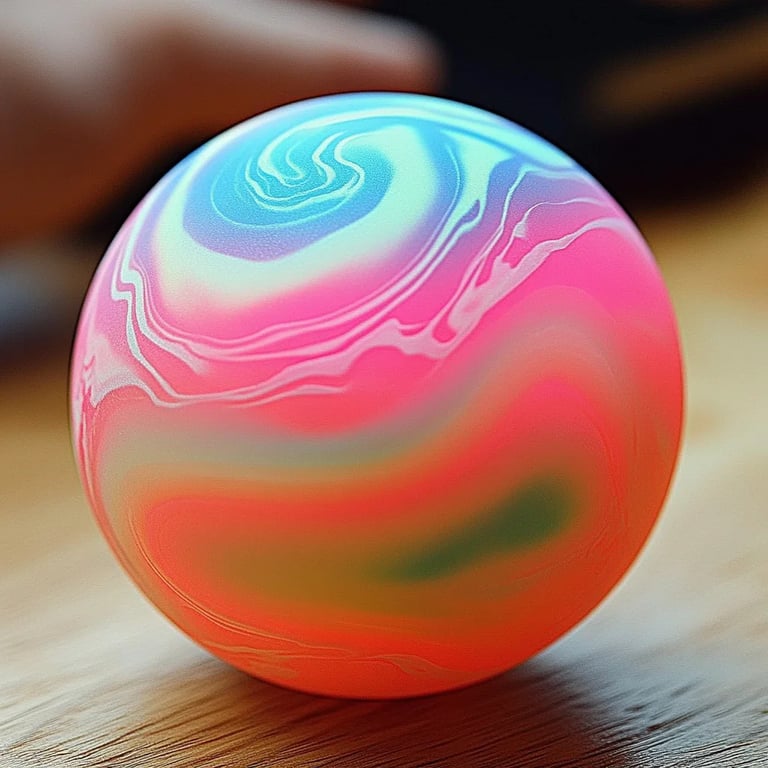
Hello, fellow crafters! Today, I'm thrilled to share with you one of my favorite DIY projects—creating Swirl Glowing Bounce Balls. These bouncy balls are not just fun to make; they're mesmerizing with their vibrant colors and glow-in-the-dark effects. Whether you’re looking for a charming decoration, a fantastic party favor, or simply a fun project to delight kids and adults alike, these bounce balls are sure to impress.
What Makes Swirl Glowing Bounce Balls So Popular?
The appeal of these vibrant bouncy spheres spans ages and occasions. Children love the thrill of watching them bounce, while adults appreciate the unique crafting experience. They can light up a party, serve as playful desk décor, or be a delightful surprise in a gift bag. Plus, the process of making them is just as enjoyable as playing with the finished product!
In this tutorial, I’m going to walk you through the materials, steps, and tips for making your own Swirl Glowing Bounce Balls. Trust me, with a little guidance and patience, you’ll create stunning bouncy balls everyone will adore.
What You’ll Need
Before we dive into our crafting journey, let’s gather our materials:
Essential Materials:
- School glue (white or clear): Approximately 1/2 cup.
- Liquid starch: About 1/2 cup.
- Baking soda: 2 tablespoons.
- Glow-in-the-dark paint or pigment (optional): For a glowing effect.
- Food coloring: Your choice of colors for swirls.
- Mixing bowl: Plastic is preferred for easy cleanup.
- Spoon or spatula: For mixing the materials.
- Wax paper: To contain your oozing mixture.
- Plastic gloves: For cleanliness and to avoid coloring your hands.
Step-by-Step Tutorial
Step 1: Mixing the Base
Start by pouring the school glue into your mixing bowl. Why glue? It serves as the base of our bounce ball, allowing it to form a flexible yet sturdy shape.
Now, add the baking soda. This ingredient thickens the glue, giving the mixture a more rubbery consistency, which is perfect for bouncy balls.
Pro Tip: Stir the glue and baking soda thoroughly until there are no lumps. This ensures a smooth final product.
Step 2: Adding the Glow
If you want your bouncy ball to glow, now is the time to mix in the glow-in-the-dark paint or pigment. Just a tablespoon should do the trick—too much could affect the bounce quality! Make sure it’s evenly blended for a vibrant glow.
Remember: The more the pigment, the stronger the glow, but balance is key! You want your ball to bounce, too.
Step 3: Introducing Colors
Next, it’s time to get colorful! Add drops of food coloring directly into your glue mixture. This is where the fun begins!
Creating Swirls: Instead of stirring completely, gently swirl a spatula through the mixture to create a marbled effect. Don’t over-mix; you want those beautiful swirls to show in your final product!
Step 4: The Bonding Agent
In a separate container, measure out your liquid starch. The starch is your key ingredient for transforming the gooey mixture into a bouncy ball. Once it’s measured, gradually add the starch to your glue mixture.
Be cautious! Pour it slowly and mix continuously. If you add too much at once, the mixture could become too solid and lose its elasticity—leading to a less bouncy ball.
Step 5: Kneading the Mixture
Once the mixture starts to come together and is no longer sticky, it’s time to knead it with your hands. Wearing gloves, begin to squish and knead the dough-like substance until it becomes less sticky and more pliable.
Why Knead? This step is crucial because it activates the starch, which will help your bounce ball hold its shape. If it’s too sticky, add a bit more starch!
Step 6: Shaping the Balls
Now that you're done kneading, divide the mixture into smaller portions—about the size of a golf ball works great. Roll each portion between your palms to form a smooth ball.
If you find the ball isn’t holding its shape, it might be too wet. Knead in a bit more liquid starch until it firms up.
Step 7: Curing Your Bounce Balls
Let your newly formed balls sit on a piece of wax paper for about 24 hours. This allows them to air-dry and become firm, ultimately providing greater bounce.
Handling Common Issues
Even with the best intentions, crafting can come with a set of challenges:
- Too sticky: If your mixture is sticky after kneading, add more liquid starch slowly until it reaches the right consistency.
- Brittle balls: If your balls turn out too stiff, it’s likely you added too much starch. You can try kneading in a small amount of glue to soften them up.
- Not glow-in-the-dark: Check the ratio of glow-in-the-dark pigment you used. It might need more for a stronger effect, or perhaps it needs exposure to light to charge!
Creative Variations
Once you have the basics down, feel free to get creative! Here are some ideas:
- Layered Bouncy Balls: Instead of swirling the color, create layers by filling half of your ball with one color and the other half with another.
- Sparkles: Add glitter to your mixture before the curing step for a dazzling effect.
- Themed Colors: Create bounce balls based on holidays—red and green for Christmas, or orange and black for Halloween!
Safety Warnings
Always craft in a well-ventilated area, especially when dealing with certain paints or pigments. Keep your ingredients out of reach of small children and pets, and wash your hands thoroughly after crafting.
A Personal Anecdote
I vividly remember the first time I made bounce balls with my niece and nephew during a summer family reunion. The joy on their faces as the balls glowed in the dark was simply priceless. We turned what could have been a regular afternoon into a delightful crafting party filled with laughter and creativity. Moments like these remind me why I love crafting.
Conclusion
And there you have it, my step-by-step guide to creating Swirl Glowing Bounce Balls! From gathering materials to adding your unique touch, this crafting experience is sure to be rewarding. I hope you found joy in these steps and are excited to give them a try! Remember that the beauty of crafting lies not just in the finished product but in the process itself. Happy crafting, everyone!