How to Make Sugar Water Paintings: A Crafting Journey
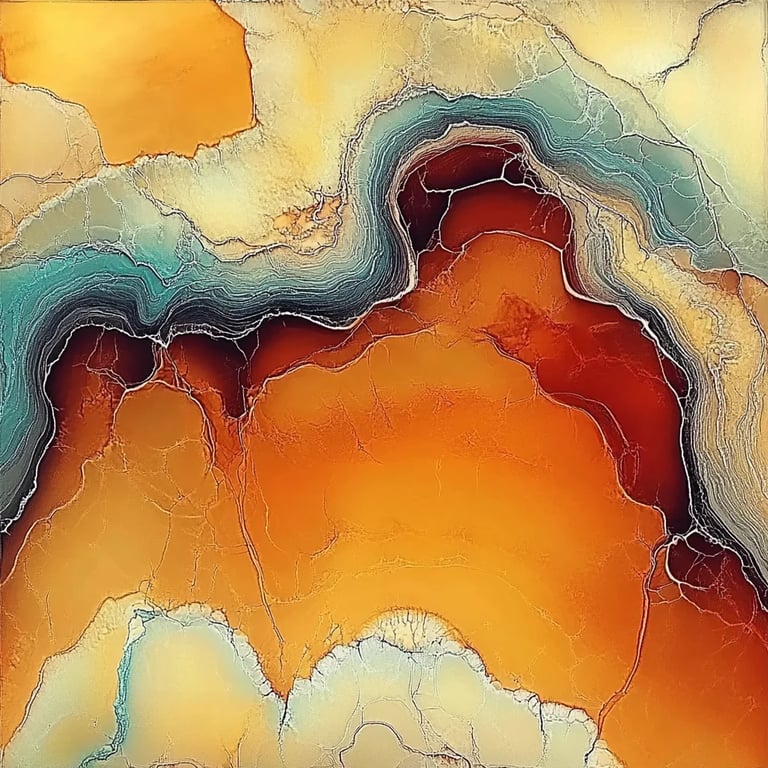
Hello fellow crafters! Today, I’m excited to share one of my favorite hands-on art activities: Sugar Water Paintings. This delightful, simple, and eco-friendly way to create art is perfect for kids and adults alike. If you’re looking for a fun, interactive way to express your creativity, you’ve come to the right place!
What Are Sugar Water Paintings?
Sugar water paintings are created using a basic sugar and water solution, transformed into vibrant colors with food coloring. This technique produces artwork that can be bright and whimsical, making it an excellent choice for whimsical projects or educational activities for young artists. The popularity of sugar water paintings lies not only in their ease of creation but also in the gratifying blend of art and science. You can use this technique for decorating cards, making personalized artworks, or even as a fun party activity.
Whether you’re engaging in a family crafting night, hosting a birthday party, or simply stepping into the world of DIY art, sugar water paintings are a fantastic choice for unleashing creativity!
What You’ll Need
Before we dive into the step-by-step process, let's gather our materials. You’ll need:
Basic Materials
- Granulated Sugar – About 1 cup.
- Water – Approximately 2 cups.
- Food Coloring – Various colors of your choice.
- Small Bowls or Cups – For mixing your colored solutions.
- Paintbrushes – Different sizes for varying strokes.
- Watercolor Paper or Thick Cardstock – To hold your artwork.
- Spoon – For stirring.
- Pipettes or Droppers (optional) – For more precise application.
- Plastic Gloves (optional) – If you’re concerned about food coloring staining your hands.
Optional Decorative Materials
- Glitter
- Stencils
- Sponges
- Crayon or Oil Pastels (for creating resist effects)
A Step-by-Step Tutorial for Sugar Water Paintings
Step 1: Prepare Your Work Area
First and foremost, choose a safe space where you can create without worrying about mess. Lay down newspaper or a plastic tablecloth to protect your surfaces, especially if you're working with kids. Crafting should always be a fun and relaxed experience. If you're dealing with young children, this is also a great opportunity to talk about cleaning up afterward.
Step 2: Create the Sugar Solution
In a mixing bowl, combine 1 cup of granulated sugar with approximately 2 cups of water. Stir well until the sugar is completely dissolved. This step is crucial because the sugar acts as a binder for the food coloring, ensuring your paints are bright and vibrant once applied.
What Could Go Wrong? If you have undissolved sugar, it will clump in your paint and impact the texture. If this happens, just add a bit more water and mix longer until all the sugar dissolves.
Step 3: Divide the Mixture
Once your sugar water solution is thoroughly mixed, divide it into small bowls or cups—one for each color you wish to create. This allows you to customize your painting experience.
Step 4: Add Color
Now comes the fun part—adding food coloring! Start with a few drops of food coloring in each bowl and mix well. You can always add more for a bolder color, or mix different colors for a unique palette.
Pro Tip: For pastel colors, stick with just a drop or two of food coloring. For vibrant colors, feel free to experiment with more.
Step 5: Start Painting!
Dip your paintbrush into one of the colored sugar solutions and begin painting on your watercolor paper or cardstock. You can explore different techniques such as swirling, dotting, and layering colors. Feel free to mix colors together on your paper to create gradients and effects!
Personal Anecdote: The first time I did this with my niece, she was fascinated by how the colors blended together. We created a beautiful abstract piece that I still cherish today.
Step 6: Adding Details and Creative Elements
For extra flair, consider using glitter or incorporating crayons. Drawing with crayon first creates a resist effect where the paint won’t stick, allowing for some intriguing designs. You can also utilize stencils to form fun shapes.
Step 7: Let Your Art Dry
Once your masterpiece is complete, set it aside in a safe place to dry. Depending on the thickness of the layers and the humidity level, drying can take anywhere from 1 to 3 hours.
What Could Go Wrong? If your painting smudges before drying, simply take a step back and allow it to dry in a less humid environment or gently fan it to speed up the process.
Step 8: Display or Share Your Artwork
Once dry, you can frame your sugar water paintings, use them as cards, or simply hang them on the fridge for a personal touch to your home décor. I love gifting these to friends and family, as it adds a warm, homemade aspect to any occasion.
Creative Variations to Explore
- Layering Colors: Build the different colors in layers for a textured look.
- Nature Prints: Use leaves or flower petals as stencils to create nature-inspired designs.
- Resist Techniques: Use oil pastels or crayons under your color for surprising patterns.
Safety Warnings and Clean Up
Though sugar water is non-toxic, it can be messy! Be sure to clean up after your craft session, especially since food coloring can stain surfaces. Always wear aprons or old clothes during this project, particularly if you plan on inviting children to join.
Final Thoughts
Creating sugar water paintings is not just about making art; it’s about connecting with creativity, exploring colors and textures, and spending quality time with loved ones. I hope this guide inspires you to dive into the whimsical world of sugar water painting. Remember, there are no mistakes in art, just opportunities for creativity! Each piece will be unique, just like you.
Happy crafting!