How to Make Rainbow Walking Water: A Colorful Science Experiment for All Ages
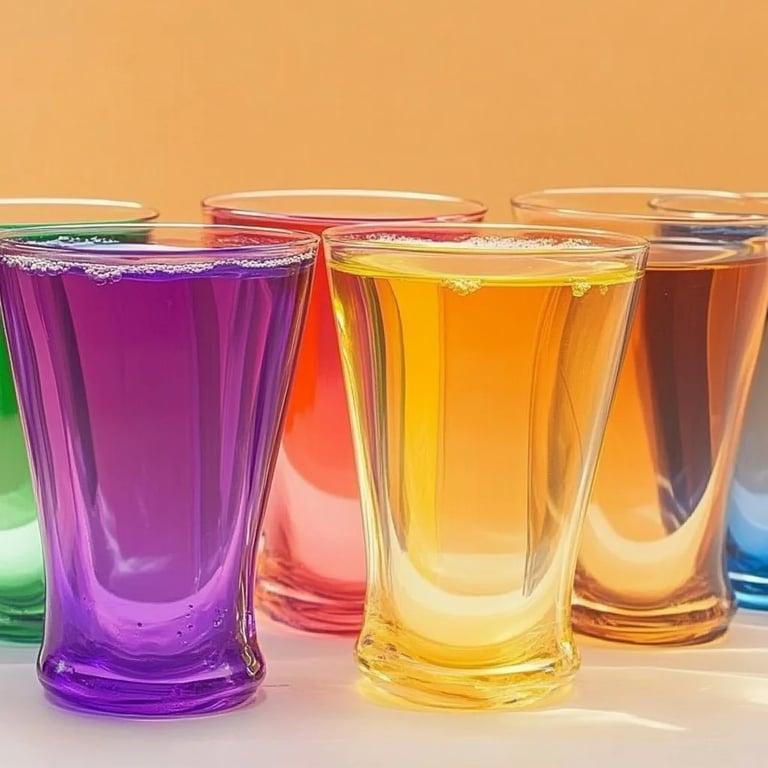
Hello, fellow crafters and curious minds! Today, I’m excited to share a vibrant, fun-filled project that’s not only perfect for enlivening your day but also an educational experience—*The Rainbow Walking Water Experiment*. This captivating activity is popular for good reason; it provides a visual feast while exploring concepts of capillary action and color mixing. Whether you’re a parent looking for a fun activity with your kids, a teacher aiming to spark interest in science, or simply someone who enjoys crafting, this experiment is bound to impress.
Why is this Experiment So Popular?
The Rainbow Walking Water Experiment has taken the DIY and educational spheres by storm due to its simplicity and the mesmerizing results it produces. The way the colored water seems to "walk" from one cup to another captures the imagination of kids and adults alike. This experiment can be utilized in various settings: as a home activity during a rainy day, a festive science project for a school fair, or even a captivating centerpiece at a children’s party.
In the following sections, I’ll guide you step by step through the process of creating your rainbow masterpiece. You'll find loads of useful tips and insights, as well as potential hiccups you might encounter and how to easily fix them. So, let’s gather our supplies and dive into the rainbow!
Materials You'll Need
Here’s a comprehensive list of materials that you will need for this experiment:
- Clear Cups (7 in total)
- Absorbent Paper Towels (cut into strips)
- Water
- Food Coloring (preferably red, yellow, green, and blue)
- Scissors (for cutting the paper towels)
- A Tray or Plate (to contain any spills)
Why These Materials Matter
- Clear Cups allow you to observe the water as it travels.
- Paper Towels act as the medium through which the color travels; their absorbent properties are essential for capillary action.
- Food Coloring adds the beautiful rainbow effect that makes this project so visually appealing.
Step-by-Step Guide
Step 1: Set Up Your Work Area
Begin by laying down your tray or plate to catch any spills. Make sure you’re working on a surface that can handle a little water splatter. It keeps everything tidy and lets you focus fully on the fun!
Step 2: Prepare the Cups
Fill the first, third, fifth, and seventh cups with water, leaving the second, fourth, and sixth cups empty. As you pour the water, fill each of the filled cups about three-quarters full. This ensures that there’s enough water to facilitate the “walking” without overflowing.
Why This Matters
Having alternate filled and empty cups creates the perfect environment for capillary action. The empty cups will eventually get filled as the colored water starts its journey!
Step 3: Add Food Coloring
In each of the filled cups, add a few drops of food coloring:
- Red in the first cup
- Blue in the third cup
- Yellow in the fifth cup
Leave the empty cups as they are at this stage.
Creativity Tip
Feel free to mix colors! You can create orange by adding red to yellow, or green by blending yellow and blue. This allows for a more extensive range of colors in your rainbow.
Step 4: Prepare the Paper Towels
Cut the absorbent paper towels into strips about 1-2 inches wide and 12 inches long. You will need at least one strip for each pair of filled and empty cups.
Step 5: Connect the Cups
Now, here comes the fun part! Carefully place one end of a paper towel strip into a filled cup and the other end into an adjacent empty cup. Repeat this for all pairs of cups. Ensure that the ends of the paper towels are submerged in the colored water, as this is where the magic begins!
What Could Go Wrong
If your paper towel strips are not making contact with the water, they won’t absorb it. You may need to adjust them so that they are fully submerged. Enthusiastically encourage your little helpers to ensure that these strips are well-placed!
Step 6: Watch the Magic Unfold
Now that everything is in place, step back and watch! In just a few minutes, you’ll start to see the colored water “walking” up the paper towels and entering the empty cups, creating a stunning rainbow effect.
Troubleshooting
If you notice that the water is not moving, there might be a gap where the absorbent paper towels are not touching the water. Double-check your connections and adjust as necessary.
Safety Warnings
While this experiment is quite safe, it’s crucial to supervise younger children to ensure they don’t accidentally ingest the food coloring. It’s also a good idea to use table coverings or newspapers underneath your project to avoid any staining on surfaces.
Alternative Methods and Ingredient Substitutions
If you don’t have colored food dyes available, you can use liquid watercolor or natural dyes made from fruits and vegetables, like beet juice for red or spinach for green. These alternatives can produce lovely hues while adding an educational aspect about natural color sources.
Personal Anecdote
The first time I conducted this rainbow experiment with my niece, I was just as fascinated as she was! Witnessing her eyes light up as the colors danced from cup to cup was a joy like none other. We spent hours talking about how water travels through the paper towel and exploring other experiments we could do together.
Creative Variations
- Add Glitter: For a sparkly effect, sprinkle some glitter into the cups before adding water.
- Create Patterns: Instead of straight strips, try folding the paper towels into zigzag patterns for a unique effect.
- Mood Colors: Use dye to reflect different moods or themes (like red and green for Christmas, or pastels for a spring theme).
Conclusion
In conclusion, the Rainbow Walking Water Experiment offers endless fun and learning opportunities. The beauty of science is that it allows for creativity and exploration, with each unique experiment offering something new. I hope this guide inspires you to not only try this project but to enhance it with your own creative touches.
So gather your materials, invite your friends and family, and let’s make rainbow magic together! Happy crafting, everyone!