How to Make Lilac Sugar: A Step-by-Step Guide to Crafting Sweet Floral Magic
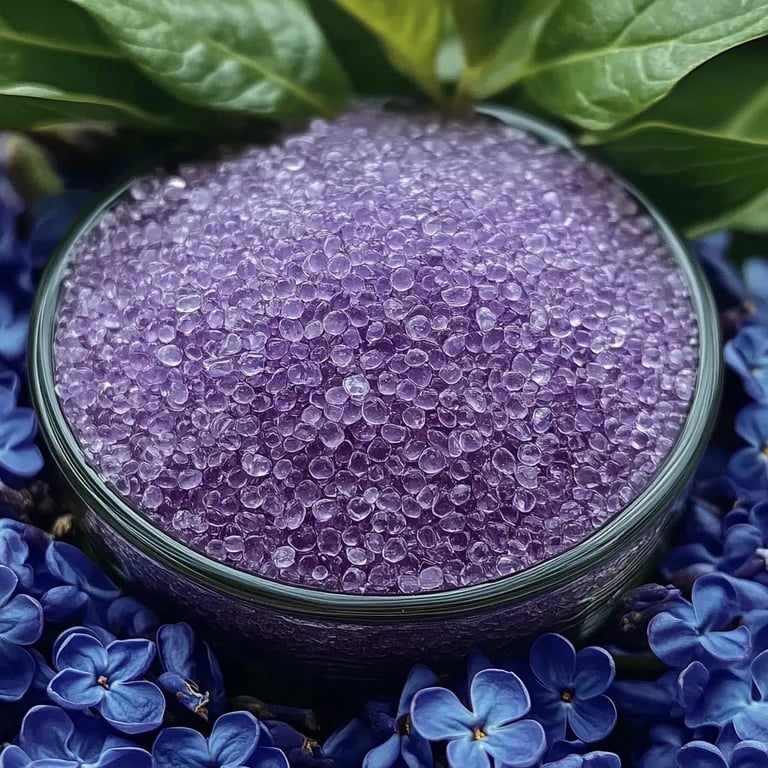
Welcome, fellow crafters! Today, I'm excited to share one of my favorite projects—making lilac sugar. This delightful concoction infuses the sweet, delicate aroma of lilacs into sugar, creating a beautifully fragrant addition to your culinary creations. Whether you're a seasoned baker or a curious home cook looking to try something new, lilac sugar can elevate your desserts, beverages, and even savory dishes. It’s perfect for springtime treats, summer outings, or simply to enjoy throughout the year.
What is Lilac Sugar and Why is It Popular?
Lilac sugar is essentially granulated sugar that has been infused with the essence of lilac flowers. This means you get not just sweetness, but also a subtle floral bouquet that can transform everything from cookies to iced teas. The popularity of lilac sugar has been on the rise due to the flower’s seasonal beauty and its easily accessible nature for those with lilac bushes in their gardens.
I find that there’s something truly rewarding about crafting your own flavored sugars. It’s a delightful way to harness the beauty of nature and bring it into your kitchen. Plus, rolled in whimsical jars and paired with some homemade goods, lilac sugar makes for a fantastic gift!
When to Use Lilac Sugar
You can use lilac sugar in a variety of ways:
- Baking: Add it to cookies, cakes, and muffins for a subtle floral twist.
- Beverages: Stir it into iced tea, lemonade, or cocktails for an aromatic sweetness.
- Savory Dishes: A pinch can beautifully elevate glazes for ham or roasted veggies.
Now that we've set the stage, let’s dive into the crafting process! Below, I’ll share my step-by-step guide to making lilac sugar, along with tips, safety notes, and creative variations.
Ingredients and Supplies You’ll Need
Before we begin, here’s a list of what you'll need:
Materials
- Lilac flowers: Make sure they’re fresh and fragrant. Use blossoms from a garden that hasn’t been treated with pesticides.
- Granulated sugar: Regular white sugar works best for infusion.
- Airtight container: To store your lilac sugar.
- A clean, dry glass jar: This will be for storage and gifting if you’d like!
- Sifter (optional): For removing any large pieces of lilac if desired.
Step-by-Step Guide to Making Lilac Sugar
Step 1: Harvesting Your Lilacs
Take a stroll through your garden or a nearby park (make sure you have permission) and look for vibrant lilac blooms. It’s important to gather them in the morning after the dew has dried, as they’ll be the most fragrant.
Tip: Choose flowers that are fully open and have a strong scent. Avoid any that look wilted or have brown edges, as these will not impart the desired flavor.
Step 2: Preparing the Flowers
Once you’ve harvested a good handful, it’s time to prepare the flowers. Remove the blooms from their stems to ensure that your sugar is as clean as possible.
Why this matters: The stems and leaves can impart an undesired bitter taste, so it's best to keep them out of the mixture.
Step 3: Mixing the Ingredients
In a mixing bowl, combine the lilac flowers with the granulated sugar. You can use about 1 cup of sugar to every 1/2 cup of lilac blossoms, but feel free to adjust based on your taste preferences.
Why this ratio?: This balance allows the sugar to pick up the lilac flavor without being overwhelmed.
Tip: Use your hands to gently crush the flowers into the sugar for better flavor absorption—this is where the magic begins!
Step 4: Let it Infuse
Transfer your mixture into an airtight container, dispersing it evenly. Allow it to sit in a cool, dark place for 1 to 2 weeks.
What could go wrong: If your lilac sugar develops mold, it’s important to start over, which is why ensuring everything is dry is crucial.
Tip: Shake the jar gently every few days to encourage an even infusion.
Step 5: Sifting (Optional)
After your sugar has infused, you can sift out any larger pieces of lilac blossoms if you prefer a smoother texture.
Why sift?: It results in a more even consistency for baking. Leaving the blossoms in can return some of the moisture to your sugar, which may make it clump.
Step 6: Storing Your Lilac Sugar
Transfer your lilac sugar into a clean glass jar for storage. Seal it tightly to maintain its flavor.
Tip: Label your jar with the date and any specific uses. For example, "Use in cookies or tea!"
Creative Variations and Alternatives
While the basic recipe is delightful on its own, here are some fun variations you might enjoy:
- Lilac Lavender Sugar: Add dried lavender buds to your mixture for a more aromatic experience.
- Citrus Infusion: Blend in finely grated lemon or orange zest to complement the lilac flavor.
- Herbal Twist: Try mixing in other edible flowers like violets or roses to create a floral blend.
Final Thoughts and Personal Anecdotes
I first stumbled upon the idea of lilac sugar during a spring gathering with friends. We made lavender lemonade, and I thought, "Why not add lilac into the mix?" The resulting flavor was nothing short of magical. Since then, I've made it an annual tradition to craft lilac sugar and share it with friends and family.
Making lilac sugar is an ode to the beauty of spring and an opportunity to connect with nature. I hope you find joy in this process and that it inspires you to get creative in the kitchen. Remember, crafting is about exploration and fun. Keep experimenting, and before you know it, you’ll have your own lilac sugar masterpiece to savor or share!
—
As you embark on your lilac sugar-making journey, I encourage you to document your adventure. Take photos, jot down thoughts, and who knows? You may inspire someone with your floral culinary creativity! Happy crafting!