How to Make Homemade Bubbles: A Crafting Adventure for All Ages
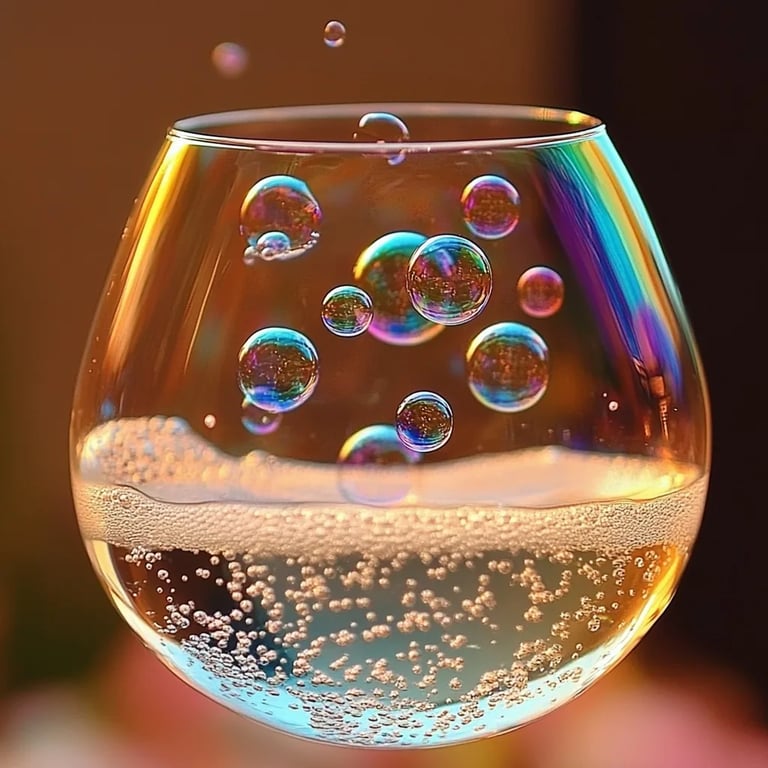
Ah, the joy of bubbles! There’s something undeniably enchanting about watching shimmering, floating spheres dance in the sunlight. Making homemade bubbles is not just a fun pastime; it’s an experience that brings joy to children and adults alike. Whether you’re preparing for a birthday party, a casual afternoon in the garden, or just seeking a delightful way to relieve stress, making your own bubble solution is an engaging and rewarding craft.
As an experienced crafter, I've spent many joyful hours perfecting my homemade bubble recipe and experimenting with various techniques. In this article, I’ll share my tried-and-true method for creating the ultimate bubble solution, along with insightful tips, common pitfalls to avoid, and creative variations to make your bubble-making experience even more enjoyable.
Why Make Homemade Bubbles?
Homemade bubbles are popular for several reasons:
- Cost-Effective: Store-bought bubble solutions can be surprisingly pricey, and frankly, they often don’t deliver the best results. Making your own lets you save money while getting better bubbles!
- Natural Ingredients: You have control over what goes into your bubble solution. Homemade bubbles can be made with non-toxic ingredients, perfect for kids and safe for the environment.
- Fun Activity: The process of making and blowing bubbles can turn an ordinary day into a magical adventure, perfect for family fun, outdoor gatherings, or simple relaxation.
Materials Needed
To begin your bubble-making journey, gather the following materials:
- Water (preferably distilled or tap water) – 2 cups
- Dish soap (I recommend Dawn or Joy) – 1/2 cup
- Glycerin (found at pharmacies or craft stores) – 1 tablespoon (optional but highly recommended for stronger bubbles)
- Corn syrup (optional) – 1 tablespoon (for added strength)
- A container for mixing – a mixing bowl or a clean jar
- A whisk or paddle – for blending the ingredients
- Bubble wands – you can buy these or make your own using pipe cleaners or straws.
Step-by-Step Tutorial
Step 1: Prepare Your Mixing Area
Start by choosing a clean, flat surface. I usually work outdoors or near a sink to prevent sticky situations. Clean spills right away; dish soap can be tricky to wipe off if left to dry. This will help keep the bubbles area tidy and prevent any slipping hazards.
Step 2: Measure Your Water
Pour two cups of water into your mixing bowl. Using distilled water can improve the quality of your bubbles, but tap water works just fine too. Distilled water is free from minerals that can interfere with the soap's effectiveness.
Step 3: Add Dish Soap
Next, gently stir in 1/2 cup of dish soap. Be careful not to create bubbles right away; it’s important to mix slowly to avoid excess foaming. Dish soap acts as a surfactant, lowering the surface tension of the water and allowing for the formation of those beautiful, round bubbles.
Step 4: Introduce Glycerin or Corn Syrup
Now, for the secret ingredients! Add 1 tablespoon of glycerin or corn syrup (or both, if you're feeling adventurous). Glycerin helps to strengthen the bubbles, making them less likely to pop. Corn syrup serves a similar purpose, providing elasticity and durability. Stir again gently; you want everything to be well incorporated without frothing up.
Step 5: Let It Rest
Here’s where patience comes in. Let your bubble solution rest for at least an hour, or even overnight if possible. This allows the ingredients to meld, resulting in even stronger and longer-lasting bubbles.
Step 6: Gather Your Bubble Wands
While the solution rests, gather or create your bubble wands. If you’re making your own, bend a pipe cleaner into a loop or cut a straw into different lengths for various bubble sizes. Experimenting with different wands can lead to unique and entertaining shapes.
Step 7: Start Blowing Bubbles
Once your solution is ready, dip your wand into the mixture and give it a gentle wave. While it might be tempting to blow hard on the wand, I recommend a soft, steady breath; this technique creates larger bubbles and prevents them from popping too quickly.
What Could Go Wrong?
Making bubbles is a delightful craft, but sometimes things don’t go as planned. Here are some common pitfalls and how to remedy them:
- Bubbles are popping quickly: If your bubbles are disappearing almost instantly, you may need to add more glycerin or corn syrup. These ingredients help with bubble durability, so feel free to experiment with slight increases.
- Solution is too thick or sticky: If you’ve added too much soap, dilute your mixture with a bit more water.
- Bubbles aren’t forming right: This can be due to dirty tools or materials. Ensure that your wands and mixing containers are clean before starting.
Personal Anecdotes
I remember the first time I made homemade bubbles with my children. We had a fantastic time experimenting with different shapes, sizes, and even colors by adding food coloring to the mix. They were giggling as they chased the bubbles around the yard while I was reminiscing about my own childhood bubble-blowing adventures. These small moments, filled with laughter and creativity, are what crafting is all about.
Creative Variations
Once you’ve mastered the basic bubble solution, feel free to get creative!
- Colored Bubbles: Add a few drops of food coloring to your bubble solution before mixing. Watch with joy as you blow vibrant, colorful bubbles that are a feast for the eyes!
- Scented Bubbles: Mix in a few drops of essential oils (like lavender or citrus) to your bubble solution for a delightful aroma. Just be sure to test them first to ensure they don’t cause allergies or skin sensitivities.
- Giant Bubbles: If you want to create larger-than-life bubbles, use a bubble wand made from two straws and a string. Drench it in the solution and swing it through the air for gigantic bubbles.
Safety Warnings
- Avoid Ingesting: While the ingredients are generally safe, swallowing bubble solution is not recommended. Keep your area clean and supervise young children closely.
- Staining Potential: Be cautious with colored bubbles, as food dye may stain surfaces or clothing. Test on a small area first if you’re using colored solutions.
- Eye Irritation: If the solution gets into the eyes, rinse thoroughly with clean water.
Conclusion
Making homemade bubbles is a charming and unforgettable activity that invites creativity and fun into any gathering. With just a few simple ingredients and a little bit of patience, you can create a fantastic bubble solution that will delight everyone around you. Enjoy experimenting, and remember that crafting is all about exploration and joy. Get ready to fill the world with joy, one bubble at a time! Happy bubbling!