How to Make Homemade Bouncy Balls: A Fun DIY Project for All Ages
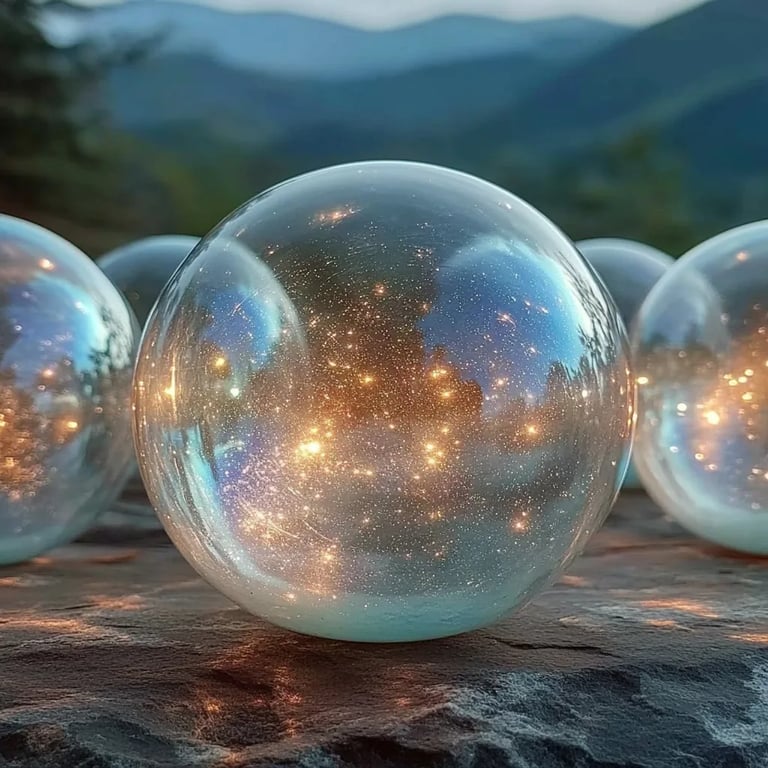
As an avid crafter with a passion for sharing creative ideas, I love finding projects that are not only entertaining but also educational. One of my favorite pastimes has been creating homemade bouncy balls. They’re colorful, they’re fun to play with, and the joy of making something yourself is simply unmatched. Whether you’re planning a rainy day activity for kids, looking for a unique party favor, or just wanting to indulge in some nostalgic crafting, this project will tick all the boxes.
Why Are Bouncy Balls So Popular?
Bouncy balls have captivated the hearts of both children and adults for generations. Their simple design belies the complex science behind them, making them a perfect blend of fun and education. You can use them for casual games, like bounce challenges, or simply enjoy watching them bounce around. They come in a variety of colors and sizes, making them versatile for several uses—from party decorations to stress-relief tools. In this tutorial, I’ll share with you my favorite method for creating your very own bouncy balls right at home!
—
Materials You’ll Need
Before we jump into the process, let’s gather our materials. Thankfully, you won’t need anything too complicated!
- White School Glue (5 oz) – This is our primary ingredient for binding.
- Borax Powder (1 tablespoon) – This acts as a hardening agent.
- Water (1 cup) – We will need this for mixing and diluting.
- Food Coloring (optional) – For adding some fun, colorful flair.
- Balloon (or a small round object for shaping) – To give our bouncy ball its shape.
- Mixing Bowl and Spoon – Essential for combining our ingredients.
- Measuring Spoons – For precise measurements.
—
Step-by-Step Tutorial
Step 1: Prepare Your Workspace
Before diving into any crafting project, preparation is key. Clear your workspace of clutter and lay down some old newspapers or a plastic sheet to catch any spills. You might be dealing with glue, which can be quite sticky!
Step 2: Mix the Borax Solution
In a small bowl, mix 1 tablespoon of Borax with 1 cup of warm water. This solution will help firm up our bouncy ball. Stir until the Borax is completely dissolved.
*Why This Step Matters:* If the Borax isn’t fully dissolved, you might end up with clumps in your mix, which could hinder the final product’s bounciness.
*What Could Go Wrong:* Too much Borax can make the final ball too hard and less bouncy. If this happens, just try using less Borax next time. Think of it as a fun experiment after all!
Step 3: Create the Glue Mixture
In another bowl, squeeze about 5 ounces of white school glue. If you’d like to add food coloring, now is the time! A few drops will suffice, but feel free to experiment with colors.
*Tip:* Mix your food coloring into the glue before proceeding. You can blend colors for custom hues!
Step 4: Combine the Two Mixtures
Slowly pour the Borax solution into the glue mixture, stirring continuously. You’ll notice that the mixture will start to thicken and turn into a gooey consistency.
*Why This Step Matters:* Stirring continuously helps the ingredients mix properly, ensuring an evenly textured ball.
Step 5: Shake It Up!
As the mixture starts to thicken, you can use your hands to knead the mixture into a ball. Keep kneading until it holds together without being overly sticky. If it feels too wet, you can briefly dip it into some additional Borax solution.
*Tip:* If the mixture is too sticky to handle, wash your hands with soap and water; a clean, dry surface will help immensely.
Step 6: Shape the Ball
Now comes the fun part! Roll the mixture into a ball shape in your hands. Aim for a size that feels comfortable for bouncing—usually about the size of a golf ball.
*Personal Anecdote:* I remember when my kids and I first attempted this! We were excitedly rolling our colorful blobs into perfect bouncy balls. Each ball had its character, bright colors swirling together in a delightful mess of creative expression.
Step 7: Let It Cure
Place your newly formed bouncy ball on a piece of parchment paper and let it cure for about 30-60 minutes. This will help it firm up further.
*What Could Go Wrong:* If your ball is not bouncing well after it’s set to dry, it may need a little more Borax in the recipe next time.
—
Tips and Safety Warnings
- Safety First: Borax should be handled with care. It’s not toxic in small amounts, but always wash your hands after crafting and avoid ingesting it.
- Customizations: You can play with your ingredients by adding glitter or using colored glue. Imagine creating a galaxy-themed bouncy ball!
- Storage: Store your bouncy balls in a cool, dry place. They may lose their bounce over time, but you can rejuvenate them by giving them a quick bounce back to life!
Alternative Methods
If you’re looking for alternative methods, consider using silicone molds with silicone-based materials, or even cornstarch and water (for a biodegradable option). Experimenting can lead to exciting new creations!
—
In Conclusion
Making homemade bouncy balls is not only a delightful experience but also a fantastic way to explore the scientific principles of chemistry and buoyancy. I encourage you to gather your kids, friends, or even tackle this project solo. The joy that comes from crafting something with your hands is incredibly rewarding.
Your creativity will shine through every colorful swirl you create. So, roll up those sleeves, gather your materials, and let’s get bouncing! I’m excited to hear some of your personal variations and experiences as you embark on this crafty adventure! Happy bouncing!