How to Make Frozen Ocean Animal Rescue: A Perfect DIY Activity for Kids!
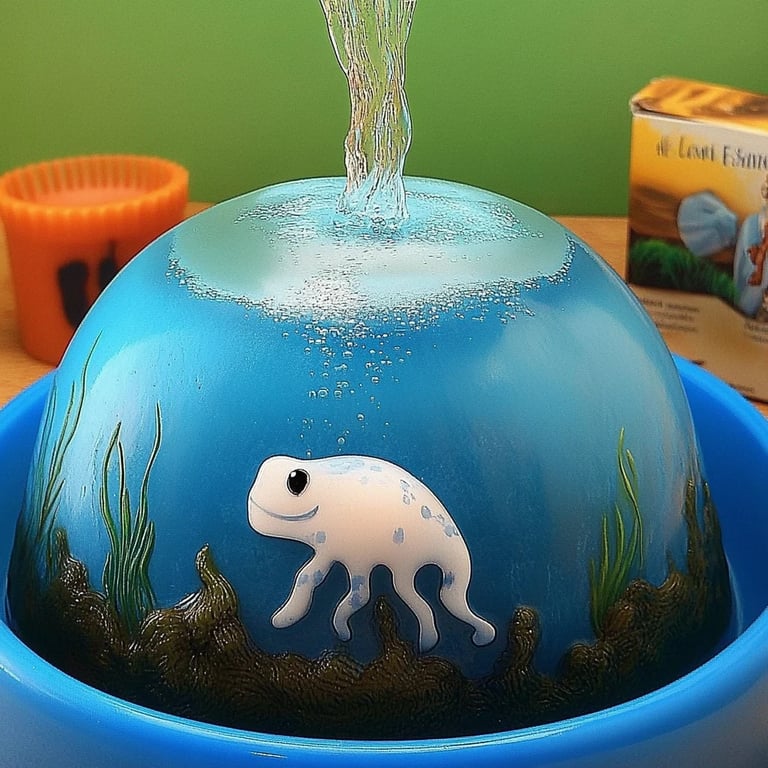
Hello, fellow crafters and parents! Today, I'm excited to share with you a delightful and easy-to-follow DIY project that's perfect for capturing the imaginations of children while providing a fun, hands-on learning experience about marine life—Frozen Ocean Animal Rescue! This creative activity not only fascinates kids but can be enjoyed in a variety of settings, whether you’re looking for a captivating afternoon craft, an exciting summertime outdoor activity, or an educational project during colder months.
What is Frozen Ocean Animal Rescue?
Frozen Ocean Animal Rescue is a fun and engaging sensory activity where children "rescue" toy ocean animals that have been frozen into blocks of colored ice. This unique playtime experience not only promotes imaginative play but also teaches kids about ocean animals, the aquatic ecosystem, and the science behind how ice melts. It’s a fantastic way to combine fun with learning, making it a popular choice for parents and educators alike!
You can use this activity for playdates, birthday parties, or simply as an entertaining way to spend quality time on a rainy day. Plus, kids of all ages can join in the fun, making it a versatile project for families!
—
Materials You Will Need
Before we dive into the step-by-step tutorial, let’s gather everything you’ll need. Here’s a comprehensive list of materials required for our Frozen Ocean Animal Rescue activity:
Basic Materials:
- Plastic ocean animal figurines (You can find these at toy stores or online)
- Water (for freezing)
- Plastic containers or ice trays (to hold the water and toys)
- Food coloring (optional, for added fun!)
- Salt or warm water (to help speed up the melting process during the rescue)
Additional Tools:
- Spoon or ice pick (for the rescue operation)
- Bowl or tray (to catch the melting ice and contain the mess)
- Towels (to wipe up any spills)
—
Step-by-Step Tutorial
Step 1: Prepare Your Containers
First, gather your plastic containers or ice trays. Depending on how many animals you have and how big you want your ice blocks to be, use smaller trays for individual animals or larger containers for multiple animals.
Tip: If you want the animals to be embedded in the center of the ice, make sure to fill the container halfway with water, freeze for a few hours until it’s partially solid, then add your toy figurines and fill to the top with more water. This will ensure they are beautifully suspended within the ice!
Step 2: Add the Ocean Animals
Now that your containers are ready, it’s time to place the ocean animal figurines inside. Let your creativity shine here! You could use various animals, from dolphins to turtles to fish.
Why This Matters: This step is crucial as it sets the tone for the entire activity. Choose brightly colored and diverse animals to catch their attention, making it visually appealing when the ice melts and reveals the animals.
Pro Tip: If you want a more colorful effect, add a few drops of food coloring to the water before freezing. This will create stunning, vibrant ice blocks reminiscent of the ocean’s depths!
Step 3: Fill with Water
Carefully fill the containers with water, ensuring not to displace the figurines. If you've added food coloring, observe how it swirls and merges with the water—it’s mesmerizing!
Step 4: Freeze
Place your filled containers in the freezer and let them freeze for at least 4-6 hours or overnight if you want to make sure they're completely solid.
Common Mistakes: If the water doesn’t freeze completely, your ice block may break when you try to remove it. Be patient and give it plenty of time to solidify!
Step 5: The Fun Begins—The Great Rescue!
Once your ice blocks are completely frozen, it’s time for the rescue! Remove the blocks from the freezer and take them out of the containers. Place the ice blocks on a tray or bowl outside (or on a mat). I love to add some warm water or salt around them to speed up melting for eager little rescuers!
Safety Warning: Ensure that children are supervised throughout this process and that they understand to handle the ice carefully. Slips can happen if they're too excited!
Step 6: Begin the Rescue Operation
Equip your children with spoons or ice picks (if old enough) and let them work their way through the ice to free the ocean animals. It’s a great sensory experience as they feel the cold ice melt and see the colors emerging!
Tip for Enhanced Learning: While they’re rescuing the animals, talk to them about each aquatic creature’s habitat, behavior, and unique traits. It’s a wonderful opportunity to instill a love for marine life and environmental awareness.
Creative Variations
This project can be tailored in endless ways! Here are a few creative twists you can try:
- Add Natural Elements: Include natural pieces like seaweed or pebbles before freezing to enhance the underwater scene.
- Ocean Diorama: After all the animals are freed, move to a creative project where children can create an ocean diorama using paper, crayons, and other craft supplies!
- Storytime Connection: Incorporate a story or theme—maybe a favorite ocean book! Children can act out the story once the rescue is completed.
- Team Challenges: Make it a race or timed challenge to promote teamwork!
—
Final Thoughts
Frozen Ocean Animal Rescue is not just a fun and engaging craft; it’s an opportunity for educational play that sparks curiosity about marine life, environments, and the wonders of nature. By encouraging little ones to explore and rescue, you’re fostering a passion for learning and discovery.
I hope that my thorough instructions enable you to replicate this fun project effortlessly! Remember, crafting should be enjoyable, so don’t stress if things don’t go perfectly. The memories made during this activity will be the treasure that lasts!
Happy crafting, and here’s to many successful rescues in your ocean adventure! 🌊🐠