How to Make Fizzy Colorful Sensory Cubes: A Fun and Engaging DIY Project
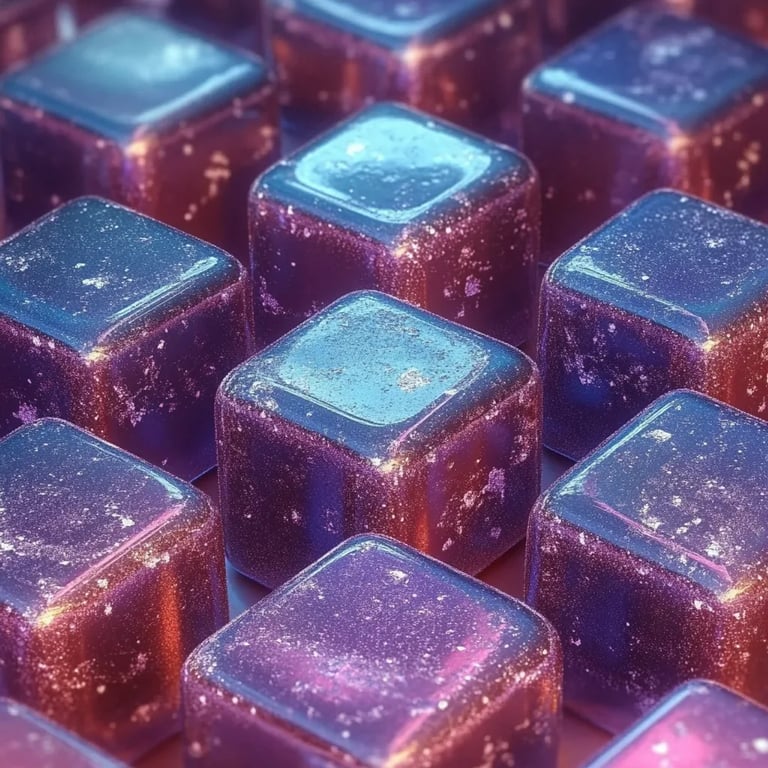
Hello fellow crafters! Today, I’m thrilled to guide you through one of my absolute favorite projects: making Fizzy Colorful Sensory Cubes. These delightful cubes are not only visually captivating with their vibrant colors but also provide an exciting sensory experience. Whether you're creating them for a playdate, a classroom activity, or simply for some playful fun at home, sensory cubes are an excellent way to stimulate the senses and promote hands-on learning.
What Are Fizzy Colorful Sensory Cubes?
Fizzy Colorful Sensory Cubes are fun, effervescent creations that combine the joy of science with vibrant colors. The primary charm of these cubes lies in their fizzing reaction when they come into contact with water. It’s like a mini volcanic eruption right in your hands! They can be used for various occasions—sensory play, bath time fun, or even as unique gifts. With their FDA-approved ingredients, you can feel secure in knowing they’re safe for young children, making them a popular choice among parents and educators alike.
Why You Should Try Making Them
- Engaging and Fun: The fizzing reaction fascinates both kids and adults, keeping everyone entertained.
- Educational: Kids can learn about chemical reactions while enjoying hands-on play.
- Customizable: You can craft them with different colors, scents, and shapes, making each cube unique.
Materials Needed
Before we dive into the instructions, let’s gather everything! Here’s a comprehensive list of what you’ll need:
- Baking Soda: 1 cup (the base for the fizzing reaction)
- Citric Acid: 1/2 cup (the key ingredient for fizzing)
- Cornstarch: 1/2 cup (helps bind everything together)
- Water: 1 to 3 tablespoons (to activate the mixture)
- Gel Food Coloring: Various colors (for vibrancy)
- Essential Oils: Optional (for a fragrant touch)
- Ice Cube Tray: Silicone molds work best
- Mixing Bowl
- Whisk or Spoon
- A Baking Sheet: To dry the cubes
- Gloves and a Mask: For safety, especially when handling citric acid
Safety Note: When handling citric acid, it's wise to use gloves and a mask to avoid irritating your skin and respiratory system.
Step-by-Step Tutorial
Step 1: Assemble Your Ingredients
First, have all your materials ready. This makes the process smoother and ensures you don't have to rush around halfway through the mix.
Step 2: Mix the Dry Ingredients
In a mixing bowl, combine 1 cup of baking soda, 1/2 cup of citric acid, and 1/2 cup of cornstarch.
Why This Step Matters: Mixing the dry ingredients thoroughly ensures a uniform reaction later. If one ingredient is clumped, it can affect how the cube fizzes.
Tip: If you notice clumps in your baking soda or citric acid, try sifting them before mixing.
Step 3: Add Color and Scent
In a separate small bowl, mix 1 tablespoon of water with a few drops of gel food coloring (use more for brighter colors) and a drop or two of essential oil if you're using it.
Why This Step Matters: This allows the color and scent to diffuse evenly throughout the final product.
Step 4: Combine Wet and Dry Ingredients
Now, slowly add your colored water mixture to the dry ingredients while stirring constantly. The key here is to add the liquid gradually to avoid triggering a fizzing reaction prematurely!
What Could Go Wrong: If too much water is added at once, it may cause the mixture to fizz and become difficult to mold.
How to Fix It: Just add more dry ingredients (like baking soda) to balance it out!
Step 5: Mold the Cubes
Once you have a dough-like consistency (akin to cookie dough), it’s time to mold the mixture into your ice cube trays. Press down firmly to ensure they keep their shape.
Step 6: Allow to Dry
Place your filled trays on a baking sheet and leave them to dry for 24 hours at room temperature.
Tip: If your climate is particularly humid, consider placing them in a dry, ventilated area to speed up drying time.
Step 7: Demold
Once the cubes are dry, carefully pop them out of the silicone molds.
Personal Anecdote: The first time I made these, I was so eager to try them out that I rushed the drying process. The cubes crumbled upon removal! Lesson learned—patience pays off!
Tips for a Successful Experience
- Color Mixing: Feel free to experiment with mixing colors to create shades (like mixing blue and yellow for green cubes).
- Test Small Batches: If you're unsure, consider testing a small batch first to refine your technique.
- Storage: Store your sensory cubes in an airtight container to keep them dry until you’re ready to use them.
Creative Variations
- Gelatin Sensory Cubes: Instead of baking soda, try gelatin for a jiggly texture.
- Sparkly Cubes: Add glitter to the mix for a sparkling effect.
- Nature-Inspired: Incorporate dried flowers or herbs for a more natural look.
- Themed Sets: Create holiday-themed cubes with colors and scents that match the occasion!
Conclusion
Creating Fizzy Colorful Sensory Cubes is not only a simple and enjoyable project, but it also sparks creativity and wonder in both kids and adults alike. They are perfect for sensory play and can even be adapted for various themes or events. So why not gather your materials and try making some today? Trust me; you and the little ones will love watching the fizzing explosions!
Feel free to share your experiences or ask questions below. Happy crafting!