How to Make Film Canister Rockets: A Fun and Easy Craft for All Ages
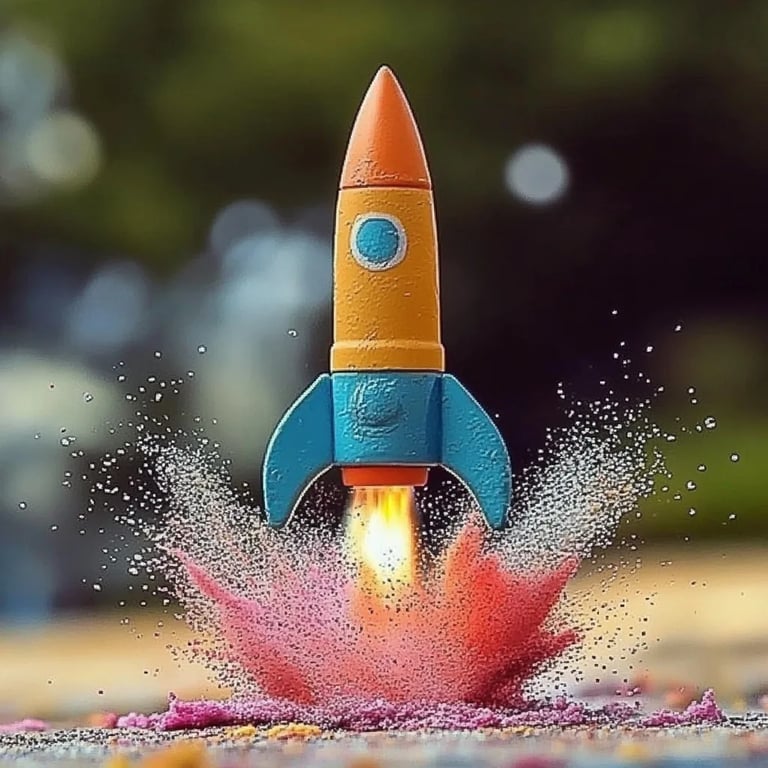
Hello fellow crafters and aspiring rocket scientists! My name is [Your Name], and today I’m excited to share with you one of my all-time favorite DIY projects: making film canister rockets. This activity not only brings a rush of joy when you watch your rocket launch into the sky, but it’s also a fantastic way to engage with both science and creativity. Whether you're a teacher looking for a classroom experience or a parent wanting to spark interest in STEM at home, this project is an excellent choice.
Why Film Canister Rockets?
Film canister rockets are popular for several reasons. First and foremost, they are easy to make, typically requiring only basic materials that you may already have at home. Secondly, they serve as a captivating introduction to the principles of chemistry and physics—like pressure, propulsion, and reaction forces—without the need for a chemistry lab. Whether you’re planning a backyard activity, a science fair project, or just a fun weekend experiment with friends and family, these rockets fit the bill perfectly.
What You’ll Need
To make your film canister rocket, gather the following materials:
- Film Canister (with a secure lid): You can find these at craft stores, sometimes available through your photography friends, or even online.
- Baking Soda: A common household item that's both safe and effective for our purposes.
- Vinegar: Another pantry staple that creates the reaction we need.
- Measuring Spoons: To accurately measure your ingredients.
- Tissue or Paper Towel: For wrapping the baking soda.
- Safety Goggles: Always a good idea when doing experiments that involve pressure!
- Outdoor Space: Ensure you're in a clear area away from people and pets when launching.
Preparing for Launch: Step-by-Step Tutorial
Now that we have our materials ready, it's time to make our rockets! Follow these detailed steps closely to ensure a successful blast-off.
Step 1: Prepare the Baking Soda Packet
- Measure Baking Soda: Use your measuring spoons to scoop approximately 1-2 teaspoons of baking soda.
- Wrap It Up: Take your tissue or paper towel and place the baking soda in the center. Fold the edges over to create a small packet; this will prevent the baking soda from reacting with the vinegar until you’re ready for launch.
Why This Matters: Waiting to mix the baking soda and vinegar is crucial. Once combined, they create an immediate pressure buildup that will propel the rocket. If you skip this step, you may end up with an unremarkable mess instead of an exciting launch.
Step 2: Prepare the Film Canister
- Fill with Vinegar: Pour vinegar into the film canister until it’s about one-third full. Note that the amount may vary depending on the size of your canister. Avoid overfilling it; too much vinegar will result in a rapid reaction that might not give your rocket the launch you’re hoping for.
Tip: For a more controlled reaction, start with less vinegar and experiment with amounts.
Step 3: Assemble the Rocket
- Insert the Baking Soda Packet: With the canister filled with vinegar, quickly drop in the baking soda packet without letting it fall all the way into the vinegar just yet.
- Seal the Lid: Tighten the lid securely onto the canister. Ensuring a good seal is significant as it allows for pressure to build up inside.
What Could Go Wrong: If the lid isn’t tightly secured, the gas will escape too slowly, and you might not see a proper launch. Return to square one if that happens by ensuring a snug fit on the lid next time.
Step 4: Stand Back and Launch!
- Turn the Canister Upside Down: Place the rocket on a stable surface, ensuring the lid is on the bottom.
- Step Back: Give yourself a few paces to avoid being too close. It’s the best moment to invite some friends or family to join you!
- Wait for the Lift-Off: Observe as the reaction builds pressure, and watch your rocket launch into the sky in a matter of seconds!
Safety Tip: Always wear safety goggles during this step, and keep a safe distance as the reaction can launch suddenly.
Troubleshooting Common Issues
If you’re having trouble with your rocket, don’t get discouraged! Here are a few common concerns and fixes:
- No Launch: Check if the lid was properly sealed. If the vinegar ran out of the canister instead of launching, try a better seal.
- Weak Launch: If your rocket barely lifts off the ground, reduce the amount of vinegar, as too much liquid can slow down the reaction.
- Uncomfortable Smells: If you notice a strong odor from your vinegar, know that it’s completely normal, but if it’s overbearing, try adding more baking soda packets for a more balanced mix.
Creative Variations
Once you have the basic process down, feel free to experiment! Here are some fun variations to try:
- Colorful Rockets: Add a few drops of food coloring to the vinegar for a colorful eruption.
- Measurement Adjustments: Try varying the amounts of baking soda and vinegar to see how it changes the launch height.
- Combining Forces: Test the rockets with various canisters—plastic or glass soda bottles can create much larger rockets with different pressure management.
- Rocket Designs: Decorate your canisters with craft materials to personalize your rockets, making each launch a little more special.
Conclusion
Making and launching film canister rockets is an exhilarating project that combines creativity, science, and a little bit of engineering. I've loved sharing my process with you, and I hope you feel empowered to create your own rocket adventures. Remember to keep the atmosphere fun and safe—film canister rockets are exciting not only for the joy of launching but for the amazing learning experiences they offer.
As you embark on this journey, whether solo or with friends and family, take time to appreciate the joy of craft and discovery. Happy launching, and may your rockets reach new heights! Please feel free to reach out with questions or share your successful rocket stories!