How to Make DIY Floam: A Crafting Guide for All Ages
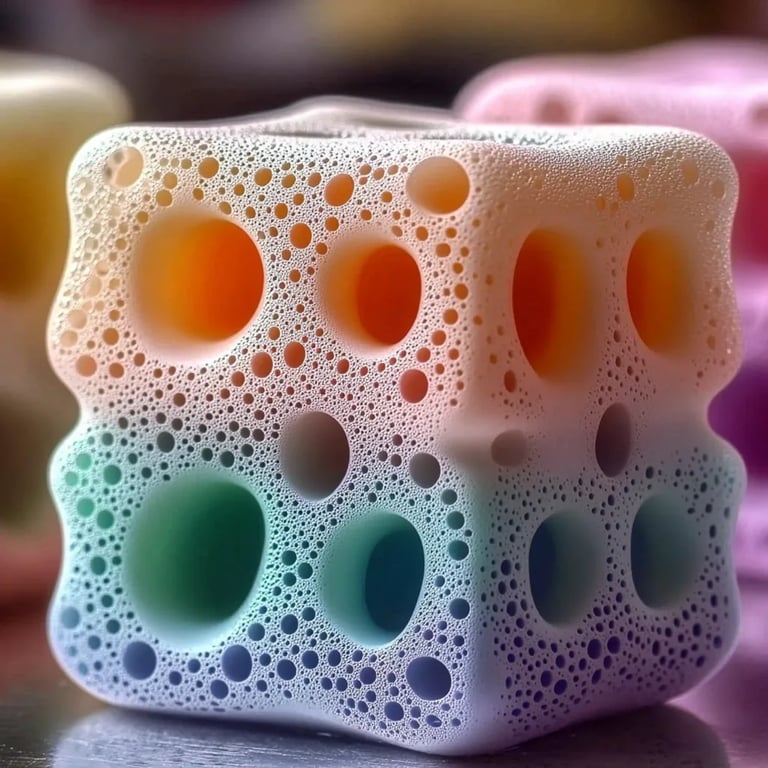
Welcome to my crafting corner! Today, I’m excited to share one of my favorite DIY projects: making Floam. If you've never heard of it before, Floam is a unique, squishy material that feels like a delightful combination of slime and foam. It’s made from a special polymer mixture that incorporates tiny foam beads, giving it a satisfying texture. Not only is Floam incredibly fun to play with, but it’s also a fantastic sensory experience for both kids and adults.
I've had the joy of creating Floam for many occasions—whether it's a rainy afternoon project with the kids, a unique party favor, or just an interesting craft to relieve stress. The versatility and tactile experience of Floam are what make it so popular among crafters, and I can’t wait to show you how to create your very own!
Why Make DIY Floam?
- Creative Expression: You can customize your Floam by adding colors, glitters, or even scents to match your personality or the occasion.
- Sensory Play: Great for tactile sensory experiences, Floam provides an engaging way to calm anxiety or stimulate creativity.
- Cost-effective: Most of the materials can be found in your home or purchased inexpensively, making it a budget-friendly craft.
What You’ll Need
Before we dive into the step-by-step tutorial, let’s gather our materials. You're likely to find most of these items right in your pantry or craft drawer.
Materials:
- White school glue (1 cup): This serves as the base for your Floam.
- Foam beads (1 cup): These add texture and make your Floam puffy.
- Cornstarch (1 cup): Essential for thickening the mixture and giving it structure.
- Boric acid (1 teaspoon): This is usually found in the laundry section and will be our activator.
- Water (1 cup): For mixing to a desired consistency.
- Food coloring or liquid watercolor (optional): To add color to your Floam.
- Mixing bowl and spoon: For combining ingredients.
- Plastic glove or wax paper: Optional but helpful for mess-free mixing.
Step-by-Step Tutorial
Now that we have our materials ready, let’s get started with this fun and rewarding DIY project!
Step 1: Prepare Your Workspace
Before starting, it’s essential to prepare your space. Lay down some newspaper or old tablecloth to prevent any spills. Having a clean workspace makes crafting less stressful and allows for better focus on the steps ahead.
Step 2: Mix the Base
In your mixing bowl, pour in 1 cup of white school glue and 1 cup of water. Stir gently until the two ingredients blend smoothly. This mixture is the foundation of your Floam. If you want to add coloring, now is the time! A few drops of food coloring or liquid watercolor will give your Floam a personal touch.
Why this step matters: Properly blending the glue and water ensures a consistent texture in your Floam.
Tip: If you’re making multiple batches, consider dividing the glue mixture into separate bowls and adding different colors.
Step 3: Add the Thickening Agent
Now it’s time to thicken the mixture. Gradually sprinkle in 1 cup of cornstarch while stirring continuously. You may notice that the mixture begins to thicken right away; this is normal!
What could go wrong: If you add the cornstarch too quickly, it might clump up. Don’t worry; if this happens, just keep mixing. You can also try to break up the clumps with your fingers if they persist.
Step 4: Create the Activator Solution
In a separate cup, dissolve 1 teaspoon of boric acid in 1 cup of water. This is your activator, which helps the Floam form a cohesive texture. Slowly add this solution to your glue and cornstarch mixture while stirring.
Important note: Boric acid can be irritating to the skin and should be handled with caution. Wear gloves, if desired, and ensure the area is well-ventilated.
Step 5: Add the Foam Beads
Once your mixture is adequately combined and has a lovely, thick consistency, add 1 cup of foam beads. Gently fold them in until they’re evenly distributed. This step is essential; the foam beads give your Floam its distinctive squishy texture.
Step 6: Knead Your Floam
At this point, the texture might seem a bit sticky. This is where you’ll want to use your hands! If you opted for gloves, now is a great time to put them on. Knead the Floam like dough; this combines all the ingredients and helps develop the perfect consistency.
What could go wrong: If it’s still too sticky, you can add a little more cornstarch. Conversely, if it’s too dry, try one teaspoon of your boric acid solution slowly until it reaches the desired texture.
Step 7: Store Your Floam
Once you’re satisfied with the consistency, it’s time to play! However, if you have leftovers, store your Floam in an airtight container. This keeps it fresh and squishy for your next crafting session.
Tips and Creative Variations
- Add Scents: A few drops of essential oils can make your Floam smell amazing. Lavender for relaxation or peppermint for a refreshing twist!
- Glitter Galore: For sparkly Floam, consider mixing in some glitter during Step 5.
- Color Blending: Try making two separate colors and knead them together for a marbled effect.
- Texture Variations: Experiment with different sizes and types of foam beads—mini beads create a different texture compared to regular ones!
- Safety Reminder: Ensure to supervise young children, especially around boric acid, and encourage them to wash their hands after crafting.
Final Thoughts
Crafting DIY Floam is not just a sensory delight; it’s an incredible way to express creativity and bond with others. Whether you’re teaching your kids something new or indulging in some therapeutic downtime for yourself, making Floam is a rewarding endeavor.
I hope this step-by-step guide provides you with the confidence to dive into your crafting adventure. Remember, crafting is all about enjoying the process, so don’t stress if things don’t go perfectly—you can always adjust and learn as you go!
Happy crafting, and may your Floam be as colorful and fun as your imagination!