How to Make Dancing Soda Bubbles in a Jar: A Step-by-Step Guide to a Captivating Science Experiment
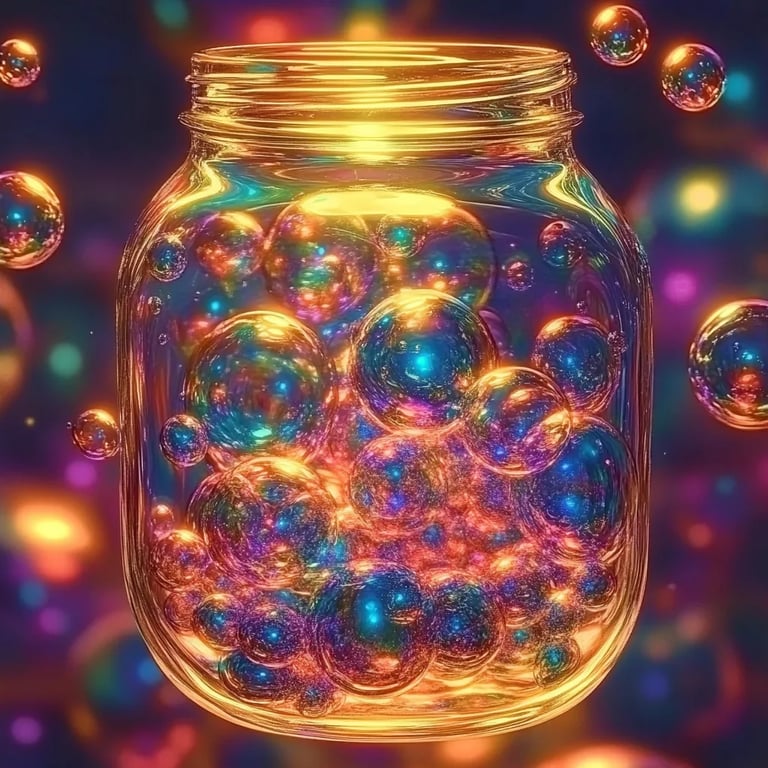
Welcome to my crafting journey! If you’re anything like me, you love finding ways to combine science with a dash of fun. Today, I am excited to share one of my favorite projects that will not only wow your friends and family but also give you a science lesson mixed with a bit of magic: Dancing Soda Bubbles in a Jar! This experiment creates a mesmerizing display of bubbles that gives the illusion of dancing, and it's a fantastic way to engage kids and spark their curiosity about scientific principles.
What Are Dancing Soda Bubbles?
Dancing Soda Bubbles is a playful science demonstration where carbonated soda bubbles rise and fall in a jar, creating a captivating effect. This experiment is not only a visual delight but also a practical lesson in density, buoyancy, and gas laws. It’s perfect for science fairs, educational purposes, birthday parties, or just a fun weekend project. Plus, it’s super easy to set up with materials you probably already have at home!
Why Is This Experiment So Popular?
This project has captured the imagination of both kids and adults because of its striking visuals and ease of execution. As someone who has dabbled in various crafts and DIY projects, I can attest that the excitement of watching bubbles ascend and descend offers an enchanting experience. People love it not only for its aesthetic appeal but also for the educational aspect it brings to the table, providing an engaging way to learn about science without the usual dull textbooks.
What You Will Need
Before diving into the project, let’s gather our materials. The good news is you won’t need anything fancy; just a few common household items. Here’s what you’ll require:
Materials:
- A clear jar or glass – This allows for maximum visibility of the bubbles.
- Carbonated soda – Any brand will do, but preferably something clear like club soda or lemon-lime soda to showcase the bubbles well.
- Baking soda – This will react with the vinegar to create bubbles.
- Vinegar – A common pantry ingredient that will react with baking soda.
- Food coloring (optional) – To make your bubbles more vibrant and fun!
- A tablespoon – For measuring the ingredients.
- A disposable straw – For stirring, but this is optional.
- A timer – Optional, but helpful if you want to time the reaction for science discussions.
Step-by-Step Guide to Create Dancing Soda Bubbles
Step 1: Prepare Your Jar
First, choose a clean, clear jar. I often go for a mason jar or a glass cup since they offer great visibility. Make sure your jar is not too full. Indeed, leaving some space at the top will allow room for bubbles to rise and fall without overflow.
Step 2: Add the Soda
Pour in your carbonated soda until the jar is about halfway full. I prefer using a clear soda like club soda or sparkling water as it allows you to see the dance of the bubbles without distractions. Note that using a cola or dark sodas can mask the bubble dance.
Step 3: Color the Soda (Optional)
If you're feeling creative, add a few drops of food coloring to your jar. It will enhance the visual display of the bubbles as they rise and fall. Just a few drops will do the trick! Stir gently with your straw to avoid losing too much fizz.
Step 4: Prepare the Reaction Mixture
In a separate small bowl, combine one tablespoon of baking soda and two tablespoons of vinegar. This mixture is where the magic happens! The vinegar will react with the baking soda to produce carbon dioxide gas, which creates bubbles.
Step 5: Combine the Two Mixtures
Carefully pour the vinegar and baking soda mixture into the jar with soda. This is the moment of magic! You should see immediate bubbling action as gas is released. Lean in for a closer look but be ready—this is where things might get a little fizzy!
Step 6: Observe and Enjoy!
Watch as the bubbles initially erupt but slowly dance up and down in the jar! Spend a few moments observing the dancing effect. If you time it right, you might even see some bubbles rising and momentarily sticking to the sides of the jar before breaking free.
What Could Go Wrong and How to Fix It
- Too Much Overflow: If your jar overflows with bubbles, you have likely made the mixture too concentrated. Simply use a larger jar next time, or scale back the baking soda and vinegar to see if that helps.
- Lack of Reaction: If you find that the bubbles aren't dancing, the soda might be flat. Always use fresh carbonated soda to ensure a strong reaction!
- Dull Colors: If your bubbles appear too dull, you may need to add more food coloring or stir more gently to mix it in without losing carbonation.
Tips for Success
- Use Cold Soda: Cold soda tends to hold the carbonation longer, leading to a more spectacular bubbling effect.
- Experiment with Ratios: Feel free to try different amounts of baking soda and vinegar to create varying levels of reaction. Just remember that too much will lead to overflow!
- Safety Precautions: While all these ingredients are safe, always handle vinegar and baking soda in moderated amounts to avoid excessive fizzing all at once.
Alternative Methods and Ingredient Substitutions
- Fizzy Tablets: Alternatively, if you have Alka-Seltzer tablets, these can be used instead of baking soda and vinegar for a similar effect!
- Different Sodas: Explore various types of sodas to see how they affect the bubbling action—for instance, using flavored sodas can create different aspects of visual delight!
Personal Anecdotes and Creative Variations
One of my favorite memories related to this project was when I created a massive version of this in a giant clear vase for a friend’s birthday party. We combined colors for the food dye, transforming the whole spectacle into a rainbow of dancing bubbles! I remember all the guests gathered around, mesmerized, with their eyes shining with curiosity and joy.
You can also create themed versions for holidays—imagine red, white, and blue soda bubbles for the Fourth of July or green soda for St. Patrick’s Day!
Conclusion
Creating Dancing Soda Bubbles in a Jar is not only a fun craft project but also an excellent way to engage children in science. This process can ignite curiosity, inspire creative thinking, and encourage kids to ask questions about how and why things happen. I hope that through sharing my tips and insights, you feel empowered to dive into this experiment with confidence. So, gather those materials and enjoy the bubbling spectacle ahead! Happy experimenting, and may your bubbles always dance!