How to Make Cornstarch and Dish Soap Slime: A Fun and Easy DIY Guide
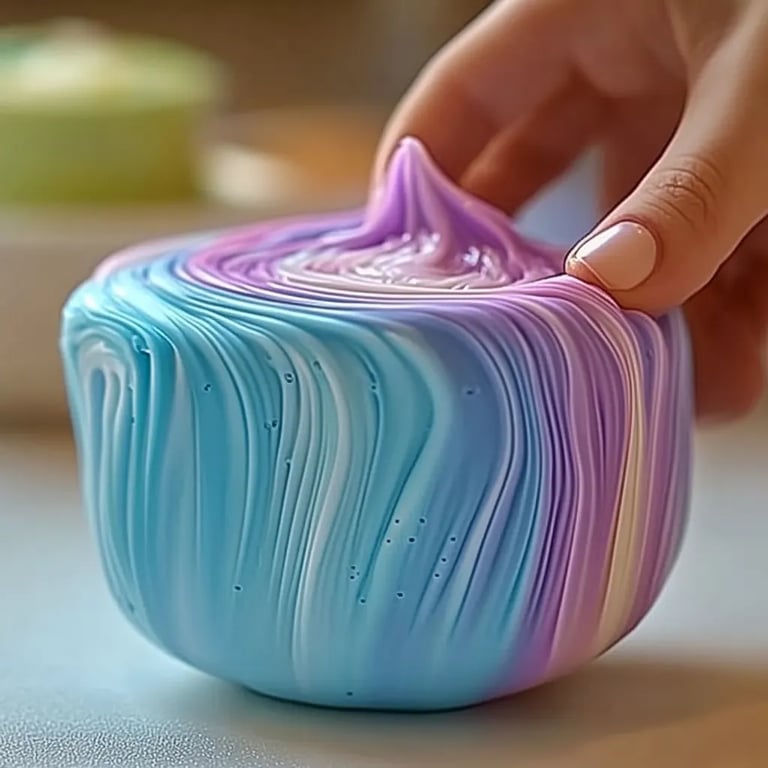
Hello, fellow crafting enthusiasts! Today I’m excited to share a delightful project that’s perfect for both kids and adults alike: making cornstarch and dish soap slime. This unique slime is not only incredibly fun to play with, but it's also simple to create with just a few household ingredients. I’ve found that this fluffy, squeezable slime can become a fabulous addition to rainy day activities, parties, or even as a stress-relief tool. Let's dive into the world of slime-making together!
Why Cornstarch and Dish Soap Slime?
Slime-making has become a worldwide trend over the past few years, capturing the hearts and hands of many. What’s not to love? It’s squishy, satisfying to manipulate, and can be made in countless ways. Cornstarch and dish soap slime is particularly popular because it requires minimal ingredients, is easy to clean up, and introduces a fun texture that traditional slimes don’t always provide.
Whether you’re indulging a child’s curiosity or finding a playful way to unwind during a busy day, this slime can adapt to your needs. You can use it as a calming sensory experience, an engaging science experiment, or just a cool DIY project to show off to your friends!
Materials You’ll Need
Before we get down to the nitty-gritty of making this slime, make sure you have these materials on hand:
- 1 cup of cornstarch: This is the main ingredient that gives the slime its unique texture.
- 1/2 cup of dish soap: Well-known and easily available, dish soap adds pliability and allows the slime to take shape.
- A mixing bowl: For combining your ingredients together.
- A spoon or spatula: To stir the mixture.
- Food coloring (optional): If you want to jazz up your slime with some colorful flair!
- Wax paper or parchment paper: This will help with cleanup and prevent the slime from sticking to surfaces.
Step-by-Step Tutorial
Now that we’ve gathered our materials, let’s get started on making this fabulous cornstarch and dish soap slime!
Step 1: Combine the Ingredients
In your mixing bowl, start by adding 1 cup of cornstarch. This is the backbone of your slime, providing that desired stretchy and squishy texture.
Next, slowly pour in 1/2 cup of dish soap. This is where the magic happens! The dish soap will interact with the cornstarch to create a stretchy, moldable slime.
Why This Matters: The ratio of cornstarch to dish soap is critical. Too much cornstarch can lead to a dry, crumbly mess, while too much soap can make it too sticky and difficult to handle.
Step 2: Mix It Up!
Using your spoon or spatula, start to mix the cornstarch and dish soap together. At first, it might seem like they’re not combining well – don’t be alarmed! Keep stirring, and you’ll soon see it begin to come together.
Tip: If the mixture feels too dry and crumbly, add extra dish soap, a little at a time. Conversely, if it’s overly sticky, sprinkle in an additional tablespoon of cornstarch until you achieve the perfect consistency.
Step 3: Get Your Hands Involved
Once the mixture is combined, it’s time to get your hands in there! I always recommend using your fingers – this is where you can really gauge the texture. Knead the slime like you would with dough, working out any lumps.
Safety Warning: Make sure to wash your hands thoroughly before handling the slime, as dish soap can be irritating for some skin types.
Step 4: Add Color (Optional)
If you want to add a pop of color to your slime, this is the moment! A few drops of food coloring or liquid watercolors can go a long way. Just knead until the color is evenly distributed. It’s a fun way to create variations and personalize each batch of slime.
Step 5: Play and Store
Your slime is now ready! Feel free to stretch, squish, or roll it into shapes. After playtime, it’s important to store your slime properly. Place it in an airtight container to keep it from drying out.
Pro Tip: If you notice the slime drying out after a few uses, you can rejuvenate it by adding a small amount of dish soap and kneading it back to life.
Troubleshooting Common Problems
Even the most experienced crafters can run into issues. Here’s a quick troubleshooting guide for common slime-making problems:
- Slime is too sticky: If your slime is sticking to your fingers, try adding more cornstarch, a tablespoon at a time.
- Slime is too dry or crumbly: Gradually incorporate a bit more dish soap into your slime until the texture is soft and pliable.
- Texture is off: Don’t hesitate to adjust the ratios slightly. Slime-making is all about experimentation!
Creative Variations
Once you’ve mastered the basic recipe, the sky's the limit! Here are a few variations to keep your slime adventures fresh:
- Glow-in-the-dark Slime: Add glow-in-the-dark paint to your slime for a fun nighttime twist.
- Scented Slime: A few drops of essential oils can turn your slime into a delightful sensory experience!
- Sparkly Slime: Add glitter or sequins for a shimmery, eye-catching effect.
Personal Anecdotes
Over the years, making slime has become a beloved tradition in my household. I still remember the first time I made cornstarch and dish soap slime with my niece. She was mesmerized by the way the colors blended, and we spent hours crafting various shapes, decorating the slime, and engaging in imaginative play. It was a perfect bonding experience that taught her patience and creativity. Slime really does bring people together!
Final Thoughts
Crafting cornstarch and dish soap slime is not only a fun and rewarding experience, but it also serves as an excellent opportunity for creativity and experimentation. Whether you’re making it with kids for a birthday party or enjoying some “me-time,” this slime project is sure to deliver joy and a sense of accomplishment.
Now, armed with this detailed guide, I encourage you to roll up your sleeves and give it a try! With every mistake, you’ll learn something new, and each successful batch brings that much more satisfaction. Happy crafting, everyone!