How to Make Colorful DIY Play Dough: A Crafting Guide
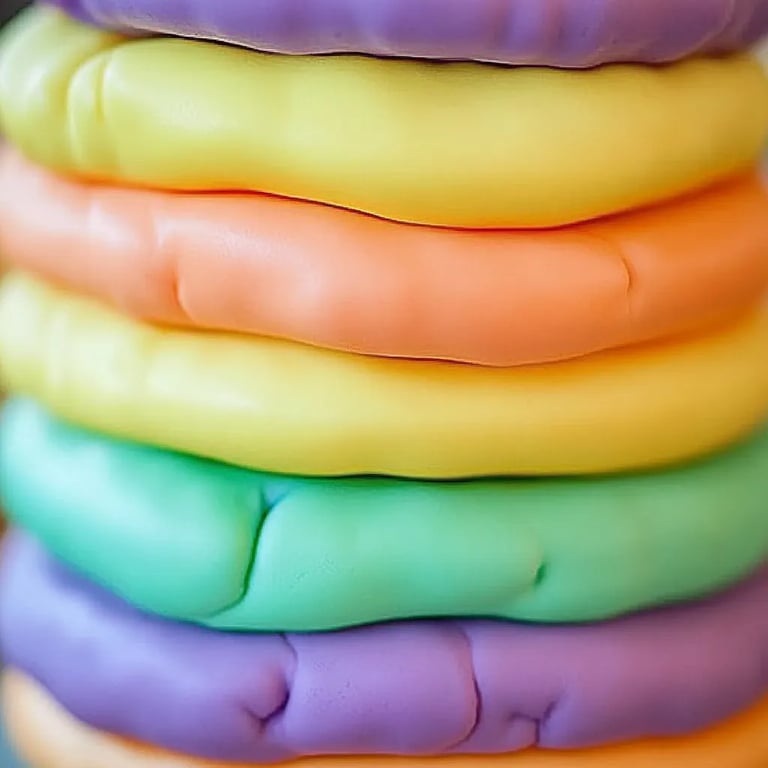
Greetings, dear crafters! I'm beyond excited to share with you a delightful project that will fill your home with vibrant colors and endless creativity: homemade play dough. As an experienced crafter and a devoted parent, I’ve discovered that making play dough isn’t just a fun activity; it’s also a wonderful bonding experience with kids and a fantastic tool for developing fine motor skills. Whether it's a rainy afternoon indoors or a planned craft session for a birthday party, colorful DIY play dough is always a hit!
Why Homemade Play Dough?
Store-bought play dough is fun and easy, but nothing beats the satisfaction of creating your own from scratch. This plush concoction can be customized in an array of hues, shapes, and even scents—plus, it's free from toxic ingredients and additives often found in commercial products. In these times, where we prioritize safe and eco-friendly crafts, homemade play dough stands out as a creative and sustainable choice.
When to Use Play Dough?
- Creative Play: Perfect for imaginative scenarios, either alone or with friends.
- Skill Development: Helps little ones strengthen their hand muscles and improve dexterity.
- Sensory Experience: Engaging in texture and tactile play enhances sensory processing.
- Themed Activities: Create seasonal shapes for holidays or events, transforming natural play into learning!
Now that we have the motivation laid out, let’s dive into my step-by-step tutorial on how to make colorful DIY play dough!
The Basic Ingredients
Making play dough is surprisingly easy with just a few ingredients that are likely already in your pantry. For this recipe, you’ll need:
- 2 cups all-purpose flour: This is the primary ingredient that provides structure.
- 2 cups water: Key for hydrating the mixture, and aids in a smooth texture.
- 1 cup salt: Not just for flavor! It acts as a preservative and gives play dough its firmness.
- 2 tablespoons vegetable oil: Essential for keeping the dough pliable and easy to work with.
- 2 tablespoons cream of tartar: This ingredient enhances the dough’s elasticity, making it less likely to dry out.
- Food coloring: To achieve those vibrant hues! You can opt for gel or liquid food coloring based on your preference.
Step-by-Step Directions
Step 1: Prepare Your Workspace
Before starting, I highly recommend laying out all your materials and ingredients. This avoids last-minute searches and allows you to flow through the process without interruptions. I also cover my work surface with a vinyl mat for easy cleanup.
Step 2: Combine the Dry Ingredients
In a large mixing bowl, combine the flour, salt, and cream of tartar. Stir them together using a whisk or spoon (your kids can help here!). It’s essential to mix them well because the cream of tartar needs to be evenly distributed for consistent texture.
Step 3: Add the Wet Ingredients
In a separate bowl, mix the water, vegetable oil, and your desired food coloring. I love to use gel food coloring because it gives a richer color without altering the consistency. Once combined, pour this mixture into the dry ingredients.
Step 4: Cook the Mixture
Pour the combined ingredients into a non-stick saucepan. Set it over medium heat, stirring constantly with a wooden spoon. This step is important—if you stop stirring, the dough can burn or stick to the pan. As it heats up, you'll notice the mixture will start to thicken. Keep stirring until it forms a ball and pulls away from the sides of the pan (about 3-5 minutes).
What Could Go Wrong?
If your dough remains sticky, it likely needs more cooking time. Simply continue stirring over low heat for another minute or two. Conversely, if it becomes too dry, you can add a tiny bit of water (a few drops at a time) and mix well.
Step 5: Cool and Knead
Once your dough has formed nicely, transfer it to a plate to cool. This is a crucial step—if you’re impatient and try to handle it right away, you could burn your hands. When it’s cool enough to touch, knead it until smooth. This process helps to distribute the texture evenly.
Step 6: Color Variations
For a fun twist, divide your dough into smaller portions before adding colors. Place a few drops of food coloring onto each portion, and knead until the colors are evenly mixed. If you want to create swirled designs, gently fold colors together without completely blending them. Each variation offers a unique result!
Tips and Variations
- Scented Dough: Add a couple of drops of essential oils (like lavender or lemon) to give your play dough a pleasant aroma.
- Natural Colors: If you prefer avoiding artificial dyes, consider using natural colorants like beet juice for pink, turmeric for yellow, or spinach juice for green.
- Storage: Store your play dough in an airtight container or a zip-lock bag to keep it fresh for weeks. If it dries out, knead in a bit of water.
Safety Warnings
Though the ingredients are non-toxic, it’s always good practice to supervise young children during play. If a child has known allergies to any ingredients, such as wheat or salt, it’s best to avoid this DIY project altogether.
Personal Anecdotes
One rainy day, my kids and I decided to create a rainbow of play dough. We ended up with a spectrum of colors, and instead of simply playing with it, we shaped different animals. It turned into a storytelling session that sparked their imaginations. Those simple moments of creativity are what this project is all about!
Conclusion
And there you have it! Making colorful DIY play dough is not only easy and fun but can transform a simple day at home into a lively and engaging adventure. I hope my tips, tricks, and step-by-step instructions empower you to craft your own vibrant dough creations. Let your imagination run wild, and remember—play dough is more than just a crafting material; it’s a gateway to creativity, laughter, and learning.
Next time you’re looking for a project, give this homemade play dough a try. Happy crafting! ✨