How to Make Colorful Crystals at Home: A Step-by-Step Guide
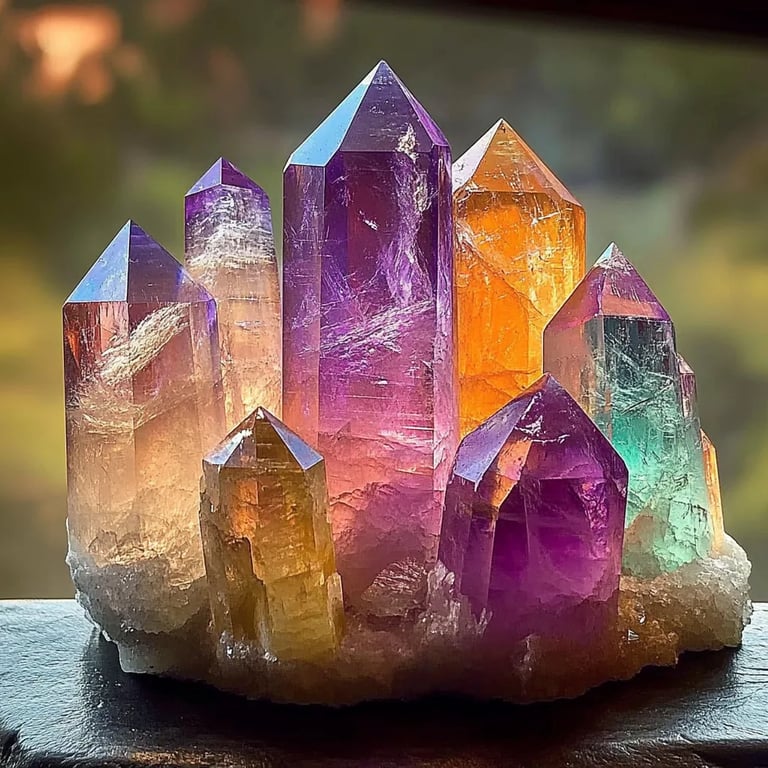
Hello fellow crafters! Today, I'm thrilled to share with you one of my absolute favorite DIY projects: making colorful crystals at home. Not only is this craft captivating and rewarding, but it also serves as a stunning decorative piece for your home or a personalized gift that showcases your creativity. I've been crafting for many years, and making crystals has brought me immense joy, letting my creativity sparkle in more ways than one!
What Are Colorful Crystals and Why Make Them?
Colorful crystals are beautiful structures formed through a crystallization process that can involve various ingredients, most commonly sugar or salt. Kids and adults alike are drawn to these crystalline creations; they can be a wonderful educational project to teach the science of crystallization, or a fun weekend activity that results in something beautiful. Whether you're decorating a room, creating a unique centerpiece for an event, or looking for an enchanting gift, these crystals are versatile and can be used in countless ways.
But why are they so popular? The answer is simple: they allow us to bring a touch of nature's beauty into our homes, spark our creativity, and provide an engaging hands-on experience. Whether you're crafting for yourself or as a group activity with friends or family, there’s something magical about watching crystals form right before your eyes.
What You’ll Need: Materials and Tools
Before we dive into the step-by-step process, let me share the materials you'll need to create your colorful crystals. You'll find that most of these can be found around your home or easily purchased at a local store.
Materials:
- 1 cup of sugar (or salt for a saltier option)
- 1 cup of water
- Food coloring (gel or liquid) – your choice of colors!
- A glass jar or a shallow dish
- A wooden skewer or a string with a paperclip
- A heat source (stove or microwave)
- Optional: a few drops of vanilla extract for a delightful aroma!
Tools:
- A small saucepan
- A stirring spoon
- A measuring cup
- A funnel or a spoon for pouring
- A thermometer (optional)
Step-by-Step Guide to Making Colorful Crystals
Now that we’ve gathered our materials, let’s jump into the crafting process! I’ll walk you through each step and share some personal tips along the way to ensure your crystal-making adventure is a success.
Step 1: Prepare the Sugar Solution
- Combine Ingredients: In a saucepan, combine 1 cup of water and 1 cup of sugar (or salt). Stir it gently to start dissolving the sugar. I usually opt for sugar for sweet-smelling crystals, but salt works wonderfully too if you prefer a unique touch.
- Heat the Mixture: Place the saucepan on the stove and turn the heat to medium. Heat the mixture until it reaches a gentle boil—this helps dissolve the sugar fully. Always keep an eye on it, and don’t forget to stir periodically.
*Tip*: If you want larger crystals, try heating the solution until it reaches the saturation point, which is around 240°F (115°C). Using a thermometer can help ensure you get it right!
Step 2: Add Color and Aroma
Once your sugar has dissolved completely (you should have a clear solution), it’s time to add some fun!
- Add Food Coloring: Stir in several drops of food coloring until you achieve your desired shade. Don’t be afraid to mix colors; sometimes, unexpected combinations can turn out magnificent!
- (Optional) Add Aroma: If you want to make your crystals fragrant, add a few drops of vanilla extract at this stage. It’ll make your crafting space smell lovely while your crystals form.
Step 3: Cool the Solution
- Remove from Heat: Take your saucepan off the heat and allow the solution to cool for about 10 minutes. This step is essential because pouring hot liquid into your jar could risk breaking the glass or affecting the crystallization process.
- Prepare Your Jar: While it cools, prepare your glass jar or shallow dish. Make sure it's clean and dry. You can also line the bottom with a bit of wax paper for easy removal later.
Step 4: Begin the Crystallization Process
- Pour the Solution into the Jar: Carefully pour the cooled sugar solution into your jar or dish using a funnel if necessary. Leave a little space at the top to avoid any spills.
- Insert the Skewer/String: Take your wooden skewer or string with a paperclip at the end and suspend it in the middle of the jar, ensuring it doesn’t touch the bottom. This step is crucial, as the skewer acts as a foundation for your crystals to grow.
*Tip*: If your skewer isn’t staying still, you can use a piece of tape to secure it to the top of the jar.
Step 5: Waiting for Magic to Happen
- Let It Sit: Now comes the hardest part—waiting! Place your jar in a location where it won’t be disturbed. Ideally, find a spot with minimal vibration and consistent temperature.
- Observe and Document: Over the next few days (or up to two weeks), you’ll notice the crystals starting to form. It’s a great idea to take pictures at different stages of the formation; watching them grow is part of the fun!
Potential Issues and Fixes
- Crystals Won’t Form: If after several days you see little to no crystal growth, it’s likely that the solution wasn’t heated enough or not saturated enough. You can try reheating and adding more sugar, stirring until dissolved, and then letting it cool again before pouring it back into the jar.
- Crystals are Too Tiny: This often happens if the liquid cools down too quickly. To fix this, you can pour the liquid back into the pan and reheat it slightly before repeating the pouring process.
Alternative Methods and Creative Variations
Don’t be afraid to experiment! Here are some creative ideas to consider:
- Multiple Colors: Use multiple jars and different colors. You can layer them or create a rainbow effect.
- Epsom Salt Crystals: Try using Epsom salt for a different texture and appearance. The process remains largely the same, but you’ll notice the crystals have a unique formation.
- Flavored Crystals: Experiment with flavored extracts like peppermint or almond for scented crystals.
Safety Warnings
Keep in mind that while making crystals is generally safe, be cautious with:
- Hot Liquids: Always handle hot mixtures with care to avoid burns.
- Food Coloring: These can stain surfaces, so ensure you work over a protected area.
Final Thoughts
And there you have it! Your very own colorful crystals made from simple ingredients found at home. I’m always amazed when I see the unique shapes and colors that emerge—each batch feels special to me. Remember that crafting is a journey, and part of the joy lies in the unexpected outcomes.
So gather your materials, make your colorful crystals, and let your creativity shine brightly. Happy crafting! If you have any questions or wish to share your crystal-making experience, feel free to leave a comment or reach out. I’d love to hear about your colorful creations!