How to Make Colored Chalk for Sensory Play: A Step-by-Step Guide
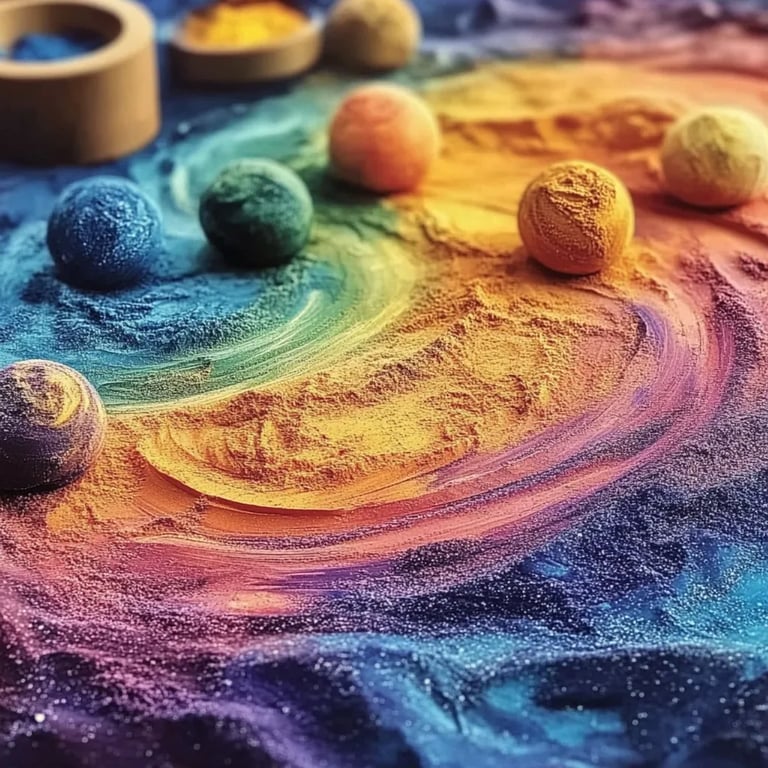
Hello, fellow crafters! Today, I’m excited to share one of my all-time favorite projects: making colored chalk for sensory play. As an art and crafting enthusiast, I’ve found that this DIY chalk not only brings endless joy to kids but also allows us adults to reconnect with our playful selves. The vibrant colors and customizable textures you'll create make this chalk perfect for outdoor activities, art projects, or even as a teaching tool.
Why Make Your Own Colored Chalk?
Why is homemade colored chalk gaining popularity? For one, it’s incredibly versatile and can enhance sensory play for children of all ages. Whether it's a sunny afternoon in the backyard, a rainy day indoors, or an exciting group activity at a birthday party, colored chalk can transform any space into a canvas for creativity.
Not only does this project provide a fun way to explore colors and textures, but it also allows parents and caregivers to be actively involved in the artistic process. Plus, you can tailor your chalk to suit individual needs—experimenting with colors, shapes, and even the chalk's texture! It’s a rewarding experience, and I’m here to guide you through every step.
What You'll Need
Before diving into the tutorial, let’s gather our supplies. You may already have some of these items at home, making this project budget-friendly. Here’s what you'll need:
- Plaster of Paris (2 cups) – This is the key ingredient for our chalk.
- Water (1 cup) – To activate the plaster and create a chalky mixture.
- Non-toxic food coloring (various colors) – To give your chalk its vibrant hues.
- Silicone molds or an ice cube tray – These will shape the chalk.
- Mixing bowls and spoons – For combining your ingredients.
- A whisk or spatula – To stir the mixture smoothly.
- Optional: glitter or *essential oils* for added fun (make sure they are safe for children).
- A mask and gloves – Optional, but advisable to avoid inhaling plaster dust and to keep your hands clean.
Step-by-Step Tutorial
Step 1: Preparing Your Workspace
Before I start any crafting project, I make sure my workspace is clean and organized. Lay down some old newspaper or a drop cloth to catch any spills, and gather all your materials within reach. This organized setup will save you time and give you a pleasant crafting experience.
Step 2: Mix the Plaster of Paris
In a mixing bowl, combine 2 cups of Plaster of Paris with 1 cup of water. Why does this matter? The proportions are crucial to achieving the right consistency; too much water could make the chalk crumbly while too little could cause it to be too dense.
Stir the mixture vigorously with a whisk or spatula until it is smooth and free of lumps. You want a thick, pancake-like batter. If you notice lumps still forming, simply mix a bit longer – don’t rush this step!
Tip: Speak from experience when I say to work quickly once the plaster is mixed, as it starts to set within minutes.
Step 3: Divide and Add Color
Now comes the fun part! If you want multiple colors, divide your white plaster mixture into separate bowls depending on how many colors you want. Typically, two cups of plaster will give you enough mixture for four to six different colors.
Next, grab your non-toxic food coloring. Add a few drops to each bowl and blend until the colors are vibrant. Keep in mind, the colors can appear lighter once dried, so feel free to be generous with the dye!
What could go wrong? If you find that your colors are not mixing well, ensure that you are using a high-quality food coloring that is water-soluble. If it remains clumpy, you can strain the mixture through a fine mesh to remove any lumps.
Step 4: Pour into Molds
Once your colors are nicely blended, it’s time to pour the mixtures into your silicone molds or ice cube trays. Ensure that you fill them evenly. Why is this important? If the chalk doesn’t fill up evenly, it may not dry properly, leading to unpredictable textures.
If you're feeling extra creative, layer your colors in the molds to create beautiful swirls and patterns.
Step 5: Let It Dry
Allow your chalk to dry in a warm place for 24-48 hours; silicone molds often accelerate the drying process due to their flexibility. However, ensure that they remain undisturbed—this is crucial for them to maintain their shape.
What to watch out for: If, after 24 hours, your chalk feels soft or crumbly, it may not have set properly. This could happen due to too much water or not mixing enough. If this occurs, don’t be discouraged—just remix a fresh batch and try again!
Step 6: Demold and Enjoy
Once the chalk is completely dry, gently remove it from the molds. At this point, you should have beautiful, colored chalk pieces ready for use!
Tips and Variations
- Shapes and Sizes: Experiment with different molds, including fun shapes like stars, hearts, and animals. This adds an exciting element for kids!
- Texture Variations: For a different play experience, consider adding cornstarch to your mixture (1 cup) to create softer chalk or sand for a textured option.
- Scented Chalk: Add a few drops of essential oils to your mixture before pouring to create a multi-sensory experience.
Safety Notes
Although the ingredients we use are non-toxic, remember to keep all materials out of reach of very young children, and supervise older ones during the process. Wear gloves and a mask if necessary, particularly during the mixing phase to avoid inhaling plaster dust.
Final Thoughts
Creating your own colored chalk for sensory play is an incredibly rewarding experience that brings creativity into your home. I hope these tips inspire you to embark on this project with confidence. Gather the kids, roll up those sleeves, and let the artistic fun begin!
Happy crafting, and don’t forget to share your beautiful creations. I'd love to hear about your experiences or any variations you've tried! Until next time, keep crafting and playing!