How to Make Baking Soda Fizzy Painting: A Fun and Vibrant Experience
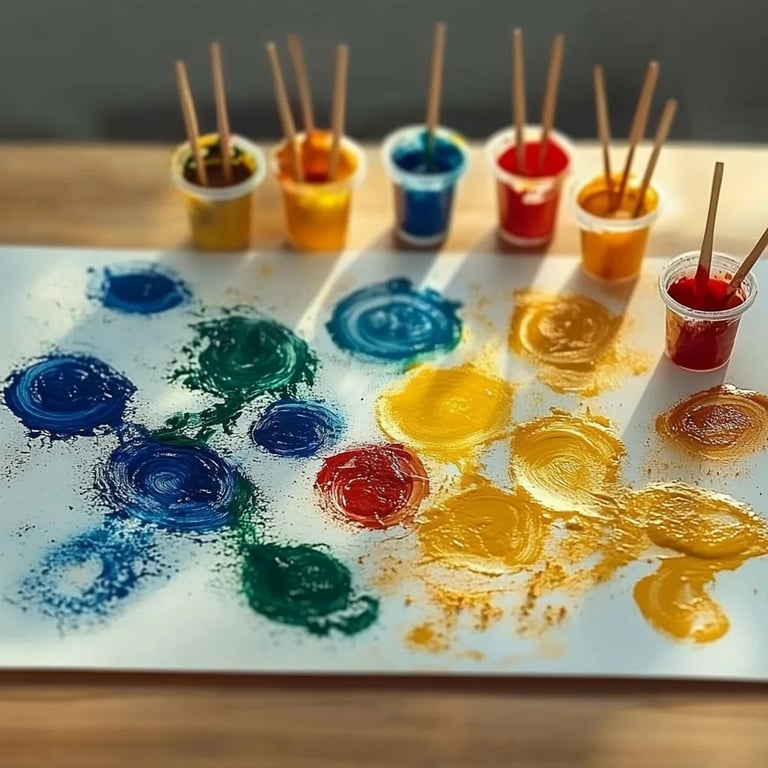
Hello, fellow crafters! Today, I'm excited to share one of my favorite creative activities: Baking Soda Fizzy Painting. This delightful art project combines the fun of painting with the scientific fizz of a baking soda reaction. It's not only a fantastic way to get kids involved in art but also a wonderful option for adults looking for a calming and creative outlet. Whether you’re hosting a children's party, looking for a fun school project, or simply wishing to indulge your artistic side, Baking Soda Fizzy Painting is the way to go.
As an experienced crafter, I love how this project uses simple, accessible materials to create stunning, dynamic art pieces. The vibrant colors and the mesmerizing fizzing effect captivate audiences of all ages. So, let’s dive into this exciting adventure together!
Why Baking Soda Fizzy Painting?
Baking Soda Fizzy Painting has gained popularity for several reasons:
- Educational Value: It’s a great way to introduce kids to scientific concepts like acid-base reactions and the concept of pH levels while engaging in a creative activity.
- Accessibility: The materials are inexpensive and easy to find in your kitchen or local store.
- Sensory Engagement: The bubbly, fizzy effect appeals to both visual and tactile senses, making it a multi-layered experience.
- Creative Expression: It's a fantastic way for children and adults to express their creativity in a fun and experimental manner.
So, are you ready to create some fabulous fizzy art? Let’s get started!
Materials You’ll Need
Here's a comprehensive list of materials to ensure a successful project:
- Baking Soda: The star of the show! It reacts with the vinegar to produce the fizz.
- White Vinegar: This acts as the acidic component in our reaction.
- Food Coloring: Choose a variety of colors to make your artwork vibrant and visually appealing.
- Paper: Watercolor paper works best, but any thick paper can work as well.
- Old Squeeze Bottles or Dropper Bottles: Perfect for delivering the vinegar in fun shapes or designs.
- Small Bowls: For mixing the baking soda and food coloring.
- Paintbrushes: To apply the baking soda mixture to your paper.
- Safety Gear: Gloves and an apron (as things can get a bit messy!).
- Protective Surface Covering: Old newspapers or a plastic tablecloth to catch any spills.
Step-by-Step Tutorial for Baking Soda Fizzy Painting
Step 1: Preparing the Baking Soda Mixture
What to do: In a bowl, mix a generous amount of baking soda with a few drops of food coloring. The idea is to create a thick paste that can be easily applied.
Why it matters: The baking soda needs to be thick enough to hold its shape on the paper and react well with vinegar without soaking too much into the paper.
Common mistakes: If the mixture is too runny, it may drip and not provide the desired design. If this happens, simply add more baking soda until you reach a thicker consistency.
Step 2: Applying the Baking Soda Paste
What to do: Using a paintbrush, apply your colorful baking soda mixture to the paper. Feel free to create patterns, shapes, or even abstract designs—there are no rules!
Why it matters: The more vibrant and thick the application, the more satisfying the fizzing reaction will be once the vinegar is applied.
Tips: Don’t worry if it looks messy—that’s part of the charm! Encourage kids to express themselves freely, which leads to a more imaginative outcome.
Step 3: Introducing the Vinegar
What to do: Once you're satisfied with your designs, use a squeeze bottle or dropper to carefully drizzle vinegar over the baking soda painting.
Why it matters: This is the moment you'll see the magic happen! The vinegar will react with the baking soda, creating an exhilarating fizzing effect.
What could go wrong: If you don't get a dramatic reaction, it might be because:
- The baking soda was too dry (add a bit more to the mixture next time) or,
- You didn’t apply enough vinegar (ensure it's applied generously for maximum fizz).
Step 4: Observing the Reaction
What to do: Sit back and watch as the baking soda fizzes up and changes colors! This is an excellent time to brainstorm additional designs or variations.
Why it matters: The visual explosion of colors and bubbles makes the experience unforgettable. Plus, it’s a great educational moment to discuss why this happens.
Step 5: Letting it Dry
What to do: After the fizzing has stopped, allow your artwork to dry completely before handling. This may take a few hours to ensure the colors are set.
Why it matters: Ensuring it's dry helps to avoid smudging or ruining the finished product, which can be disappointing after all your hard work.
Safety Warnings
While this project is generally safe for all ages, here are a few guidelines to follow:
- Avoid ingestion: Keep the materials out of reach of young children until active supervision is possible.
- Use gloves if you have sensitive skin, especially during the vinegar application, as its acidity can irritate some individuals.
Creative Variations
Once you've mastered the basics, feel free to experiment with these variations:
- Use Different Paint Types: Instead of all baking soda, try adding cornstarch, which will create a different texture altogether.
- Layering Technique: Allow the first layer to dry and then add another layer of colors and fizz for multi-dimensional effects.
- Color Mixing: Experiment with blending food colors to create gradients and new hues on your paper.
Conclusion: Crafting Memories
As you can see, Baking Soda Fizzy Painting is not just a fun activity; it’s a wonderful way to explore creativity and science simultaneously. I encourage you to invite friends or family to join in on the fun—there’s something incredibly satisfying about sharing art with others. Each fizz is a memory in the making, and every splash of color represents the joy of creation.
So, grab your supplies, turn on your favorite music, and get ready to create a masterpiece! Happy crafting!