How to Make an Explosive Volcano Foam Experiment: Your Ultimate Guide
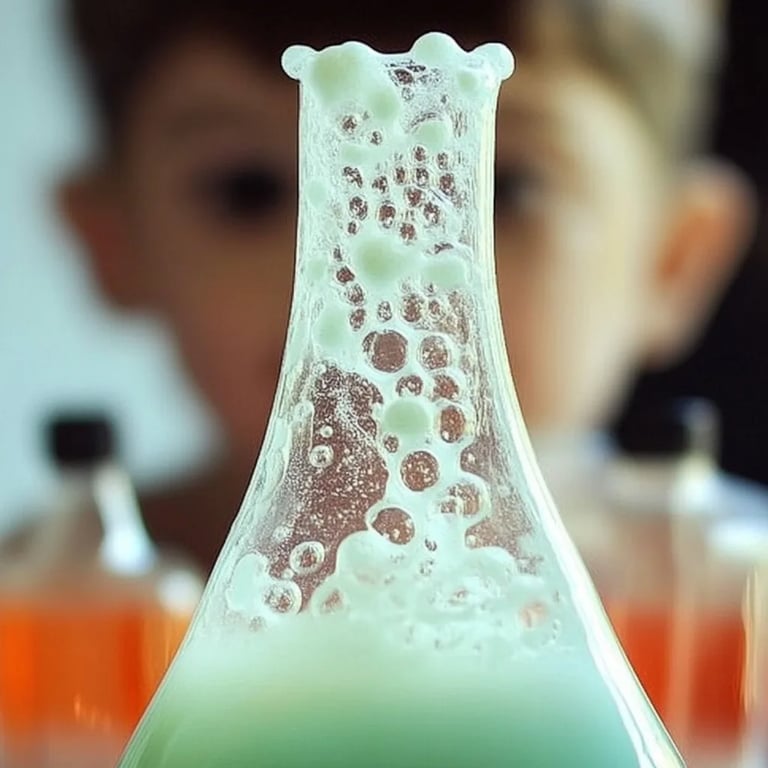
Welcome to my crafting corner! Today, I'm thrilled to share one of my favorite science experiments: the Volcano Foam Experiment. This classic project perfectly marries science and creativity, making it a popular choice for families, educators, and anyone with a curious mind. Whether you're looking to entertain kids on a rainy day, to liven up a science lesson, or to just satisfy your inner child, this experiment is guaranteed to bring out the ‘wow’ factor.
So, what exactly is the Volcano Foam Experiment? In layman’s terms, it's a fun, foamy eruption that mimics volcanic activity. This captivating reaction is fueled by simple ingredients you probably already have in your pantry. The foam created in this experiment resembles lava flowing down the side of a volcano, engaging observers and sparking discussions about chemical reactions, eruptions, and even geology!
This experiment is perfect for birthday parties, science fairs, or just as a fun weekend project to do with family. Let's dive into a detailed step-by-step tutorial!
Materials You'll Need
Before we jump into the actual making, let’s gather our materials. Here’s what you’ll need:
- Baking soda (1 tablespoon): This is our base and main ingredient for the eruption.
- White vinegar (1/4 cup): The acid that reacts with baking soda to create the foam.
- Dish soap (1 tablespoon): This helps to create more foam and adds some bubbles to the reaction.
- Food coloring (optional): To make your "lava" colorful and visually appealing.
- A container: A plastic bottle or a small cup works great as the volcano's "crater."
- A tray or large dish: To catch the foam and prevent mess.
- Spoon for mixing: To stir together ingredients effectively.
- Safety goggles (optional but recommended): Just for added safety and entertainment.
Step-by-Step Process
Step 1: Prepare Your Workspace
First things first: make sure you're working in an area that can handle a bit of mess. The kitchen table or a patio is ideal. Lay down some old newspapers or a large tray to catch any overflow. Clean up afterward will be much easier this way!
Step 2: Build Your Volcano Base
I love to make the volcano visually appealing. You can shape some clay, playdough, or even a mound of dirt around your container to create a more realistic volcano. I’ve often used playdough for this, as it’s super easy to mold and clean up afterward. Ensure your container is exposed at the top—this is where the "lava" will flow.
Step 3: Add the Baking Soda
Next, spoon the baking soda into your container. This step is crucial because baking soda is what we’ll be reacting with vinegar. Make sure it’s a generous tablespoon to ensure a good reaction!
Step 4: Mix in the Dish Soap and Food Coloring
Now, it’s time for a little creativity! Add the dish soap and a few drops of food coloring to the baking soda. The dish soap will help your foam last longer, creating a more dramatic eruption. If you want a red lava effect, a few drops of red food coloring works wonders, but feel free to get creative with colors!
Step 5: Prepare for the Eruption
Now comes the exciting part. In a separate bowl, measure 1/4 cup of vinegar. You can also add a few drops of food coloring to the vinegar for an extra vibrant display.
Step 6: Erupt Your Volcano!
Here we go! Slowly pour the vinegar into your container filled with baking soda. Step back and watch in delight as the reaction occurs! The mixture bubbles over, creating a foamy eruption that mimics a volcanic explosion.
Troubleshooting Common Issues
- If the foam isn't flowing well: You may need more baking soda or dish soap to create a more viscous foam. Alternatively, try pouring the vinegar more slowly—too fast can result in a less impressive eruption.
- If the reaction fizzles out quickly: Ensure the baking soda was fresh. Old baking soda may not react as effectively.
- If you want more color in your foam: Don't hesitate to add more food coloring during the reaction!
Safety Considerations
While the Volcano Foam Experiment is generally safe, it's always smart to take some precautions. Wearing safety goggles can be a great practice, especially for younger children. Although the ingredients here are food-safe, they can stain surfaces or clothing, so be mindful of that.
Personal Anecdote
About a year ago, I did this experiment with my niece, who was skeptical at first. However, watching her face light up with wonder as the foam began to flow out of the container was priceless. We spent hours discussing how volcanoes work, and it ignited her interest in science that day! That’s one of the beauties of this experiment: it’s not just about the eruption itself but the conversations it sparks.
Creative Variations
Here are some fun variations and enhancements you could consider:
- Layered Eruptions: By using multiple colors of food coloring and pouring them in sequences, you can create beautiful, rainbow-colored lava.
- Different Containers: Try using a larger container for a more significant eruption, or experiment with different shapes to see how the foam flows differently.
- Add Glitter or Confetti: For celebratory occasions, spice up your foam with colorful sprinkles or glitter to make the eruption even more festive!
- Theme it Up: Have an entire themed day around volcanoes—with related experiments, projects, and perhaps a volcanic meal (think Hawaiian pizza!).
Conclusion
Making a Volcano Foam Experiment is not only a great way to dive into science, but it’s also an opportunity for creativity and learning. With just a few simple ingredients and step-by-step guidance, anyone can produce a spectacular volcanic eruption right in their kitchen.
So gather your materials, embrace the mess, and enjoy the oohs and aahs of your audience. I hope this guide inspires you to create your very own volcano and incites a curiosity for the science behind it. Happy crafting, and may your eruptions be ever so foamy!