How to Make a Whirlygig: A Comprehensive Guide for Crafters
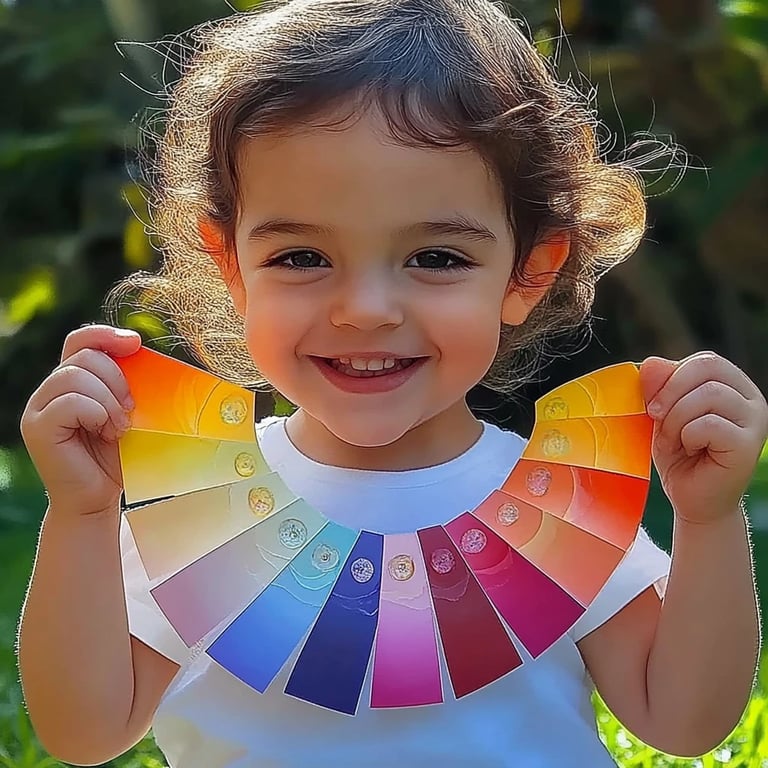
Welcome, dear crafters! I’m thrilled you’ve decided to join me on this whimsical journey into the world of whirlygigs, a delightful craft that has captivated the hearts of children and adults alike. If you’re wondering what on earth a whirlygig is, allow me to introduce you to this enchanting little toy. A whirlygig is a spinning contraption often made from simple materials, producing delightful motions and sounds as it twirls in the wind.
I love making whirlygigs because they are not only fun to create but also an excellent way to introduce the concepts of wind energy and motion to children. Plus, they make fantastic garden decorations or gifts for friends and family, bringing a smile to anyone who sees them fluttering in the breeze. So, let’s get started on this crafting adventure!
Materials You'll Need
Before we dive into the nitty-gritty of making your own whirlygig, let’s gather our materials. Here’s what you’ll need:
- Lightweight Cardstock or Paper: Choose colorful or patterned paper for visual appeal. (Tip: Cardstock is sturdier and holds up better outdoors.)
- Wooden Dowels (or sturdy straws): These will serve as the main structure.
- String: A light but durable type; fishing line or kite string works well.
- Scissors: For cutting the paper.
- Glue or Tape: To assemble the components.
- Markers or Paint: For personalizing your whirlygig.
- Ruler: For measuring.
- Pencil: For marking cuts.
- Optional: A small weight (like a washer) to add to the bottom for stability.
Step-by-Step Tutorial
Step 1: Prepare the Base
Start by cutting your cardstock into a circular shape, about 8-12 inches in diameter. I like to use a plate as a template. Don’t stress about it being perfect—whirlygigs are all about fun and creativity!
Why This Matters: The size of the circle affects the overall spin. A larger circle may spin slower but looks magnificent when fluttering, while a smaller one will whirl faster.
What Could Go Wrong: If the circle is too small or heavy, it won't catch the wind effectively. If you find your circle isn’t spinning well, try making a larger one next time.
Step 2: Create the Design
Now comes the fun part! Decorate your circle with markers, paint, or stickers. I always encourage thorough creativity—add patterns like stripes, swirls, or even doodles.
Why This Matters: The design not only personalizes your whirlygig but can also affect its aerodynamics. Bright colors and patterns catch the eye and add to the aesthetic.
Tip: If you make a mistake while decorating, use white-out or a similar correction method to cover up. Alternatively, embrace it as part of your unique creation!
Step 3: Cut Out the Center
Once your design is dry, use your scissors to cut a small circle in the center. This allows the hanging thread to pass through.
Why This Matters: The hole needs to be big enough for the string to fit but not so large that it weakens the structure of the whirlygig.
What Could Go Wrong: If the hole is too big, your whirlygig may be unbalanced and not spin properly. In case this happens, you can reinforce it with tape around the edges.
Step 4: Assemble the Structure
Cut a wooden dowel to a length of about 2 feet. Take your circle and poke through the center hole, threading the string through. Tie a knot at the bottom to prevent it from slipping off.
Tip: If you want to add a touch of stability to your whirlygig, consider gluing a small washer to the bottom center of your circle. This helps keep the whirlygig upright in windy conditions.
Step 5: Adding the Spinning Mechanism
Using the remaining dowel or straw, cut a piece about 12 inches long for the handle. Attach the top of the main dowel (that holds the circle) to the handle with glue or tape, ensuring it creates a T-shape.
Why This Matters: This is crucial for allowing the whirlygig to spin freely without tangling the string.
Step 6: Final Adjustments
Hang your whirlygig outside to test its performance! Adjust the string on the top of the dowel until it can spin effortlessly.
What Could Go Wrong: If it doesn't spin well, check for tangles in the string or reposition the circle.
Creative Variations
Once you get the hang of it, try experimenting with different shapes like stars or hearts, or even adding beads along the string for a little extra flair.
Safety Warnings: Always supervise children with scissors, and use caution when working with small objects like beads to avoid choking hazards.
Personal Anecdotes
I still remember the first time I made a whirlygig as a child—an afternoon filled with laughter and creativity. My whirlygig had a wobbly spin, but witnessing it swirl in my backyard breeze was pure magic. This simple craft stitches together memories with joy, making it a cherished pastime that I continue to share with friends and family.
Conclusion
Now that you have the blueprint to create your own whirlygig, I hope you embrace the spirit of crafting and let your creativity soar. Remember to experiment, make mistakes, and most importantly—have fun! I would love to see your creations, so feel free to share your experiences or tips. Happy crafting, and may your whirlygig twirl joyfully in the breeze!