How to Make a Suncatcher: A Step-by-Step Guide to Creating Vibrant Art
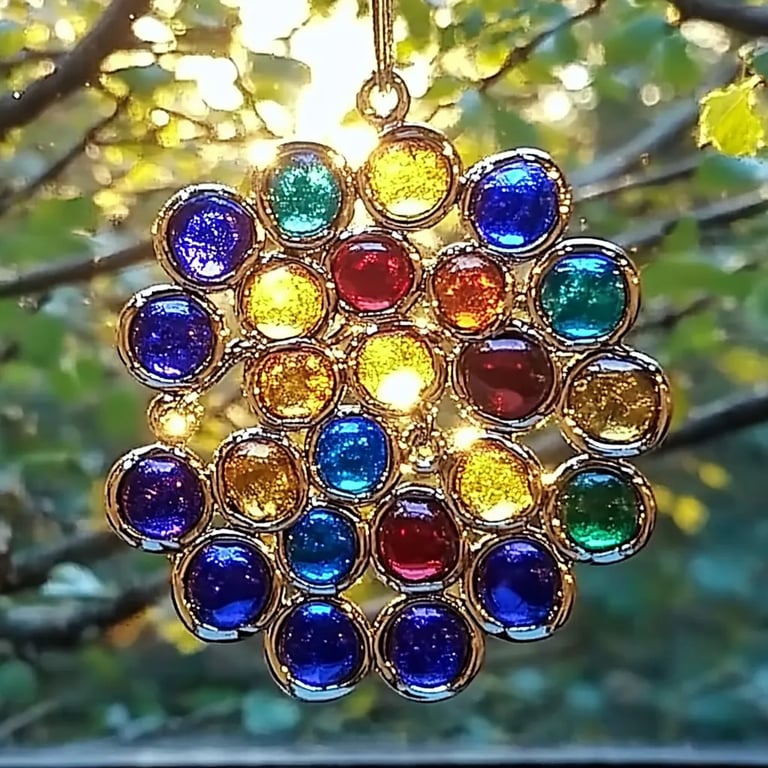
Hello, fellow crafters! Today, I’m excited to share with you one of my favorite projects: making suncatchers. If you’ve ever been captivated by the way sunlight dances through colorful glass or plastic, you know exactly why these enchanting pieces are so popular. Suncatchers can brighten up your home, add a personal touch to your decor, and bring a little magic to your spaces, especially during sunny days. Whether you're hanging them in a window, a garden, or an outdoor patio, suncatchers are simple yet impressive crafts that appeal to all ages.
What is a Suncatcher?
A suncatcher is a decorative piece made to catch and reflect sunlight, creating beautiful displays of color. Traditionally, suncatchers have been made from stained glass, but in recent years, the crafting world has embraced more accessible materials like acrylic, beads, and even paper. The beauty of suncatchers lies in their ability to transform light into a kaleidoscope of colors that dance across your walls. They can also be custom-made for any occasion, making them a fantastic gift for friends or family.
Why Suncatchers?
Suncatchers are popular for several reasons:
- Aesthetic Appeal: They effortlessly brighten any space and add a pop of color.
- Fun and Therapeutic: Crafting can be a wonderful way to unwind, relieve stress, and express creativity.
- Kid-friendly: This project is perfect for children and adults alike, encouraging teamwork and creativity.
- Seasonal Decor: You can create suncatchers for holidays or seasonal changes, making them endlessly versatile.
Now, let’s dive into how to create your very own suncatcher. I’ll guide you through a step-by-step process that even beginners can follow with ease.
Materials You Will Need
- A Clear Plastic Lid or Window: This will serve as the base for your suncatcher. You can use lids from yogurt containers or old CD cases.
- Clear Craft Glue or Mod Podge: This will help adhere your colorful objects.
- Colored Tissue Paper, Cellophane, or Plastic Beads: These will create the vibrant designs. Feel free to get creative!
- Scissors: For cutting your materials to size.
- Paintbrush or Popsicle Stick: To apply the glue.
- String or Wire (optional): To hang your finished piece.
- Paper Towel or Rag: For cleaning spills and excess glue.
Step-by-Step Tutorial
Step 1: Prepare Your Base
Begin by cleaning your plastic lid or window so it’s free from dust or grime. This will ensure that the sunlight shines through beautifully without any obstructions, increasing the vibrancy of your suncatcher.
Tip: If using a circular base, a nice size is around 6-8 inches in diameter. If you’re using a square base, around 6×6 inches works well too.
Step 2: Cut Your Colored Materials
Now it’s time to cut your colorful tissue paper, cellophane, or any semi-transparent material you’re using into various shapes. Think about shapes that appeal to you—hearts, stars, or simple squares.
Personal Anecdote: I once made a suncatcher using flower shapes for spring, and my kids loved helping to select colors that matched our garden!
Step 3: Arrange the Pieces
Before gluing, lay out your cut pieces in a design you like. Cover the entire base, leaving no space uncovered, as any gaps can result in a dull look when sunlight hits it. Feel free to mix colors and layer different shapes for a more dynamic appearance.
Step 4: Apply Glue
Using the paintbrush or popsicle stick, apply a thin layer of glue onto your base. Place the colored materials atop the glue, adhering them firmly. Continue layering until your base is covered completely.
What Could Go Wrong: If the colored pieces aren't sticking properly, you may need to apply more glue. Ensure it’s evenly spread to avoid any dry patches.
Step 5: Let It Dry
Allow your suncatcher to dry for several hours or overnight. The longer you let it dry, the better it will stick, and the more dazzling it will look when you hang it up!
Step 6: Trim Excess Material
Once dry, use scissors to trim any excess material that may hang over the edges. This will give your suncatcher a polished and professional finish.
Step 7: Punch a Hole (Optional)
If you want to hang your suncatcher, use a hole punch to make a hole at the top of the base. Thread some string or wire through the hole for hanging.
Step 8: Hang and Enjoy!
Choose a bright window, garden, or outdoor area where your suncatcher will catch the light. Watch as the sunlight bathes your space in beautiful colors.
Troubleshooting Common Issues
- Uneven glue: If you notice parts of your suncatcher are still transparent when it dries, it’s likely that the glue was not evenly applied. For your next suncatcher, try to be more thorough.
- Fragility: If your suncatcher breaks easily, consider using a sturdier base like acrylic or even a stiff cardboard covered with contact paper.
Alternatives and Creative Variations
- Glass Suncatchers: If you’re feeling adventurous, you can try creating a stained glass effect using colored glass shards.
- Nature-inspired Suncatchers: Pressed flowers or leaves can create a stunning nature-themed suncatcher. They should be dried thoroughly prior.
- Seasonal Themes: Create suncatchers that reflect the seasons. Orange, red, and yellow for fall, icy blues and whites for winter, vibrant flowers for spring, and bright greens and blues for summer.
Safety Tips
- Adhesive Warning: If you're using strong adhesives, be sure to work in a well-ventilated area.
- Supervise Children: If crafting with kids, supervise the use of scissors and any sharp materials.
Conclusion
There you have it! You’re now ready to create your very own suncatcher, an enchanting craft that transforms light into color and joy. I hope this detailed guide has inspired you and provided you with the confidence to embark on your own creative journey. Remember that crafting is all about enjoyment and self-expression, so let your creativity flow!
Feel free to share your suncatcher creations, challenges, and triumphs in the comments below. Happy crafting!