How to Make a Stunning Floral Resin Night Light: A Crafting Journey
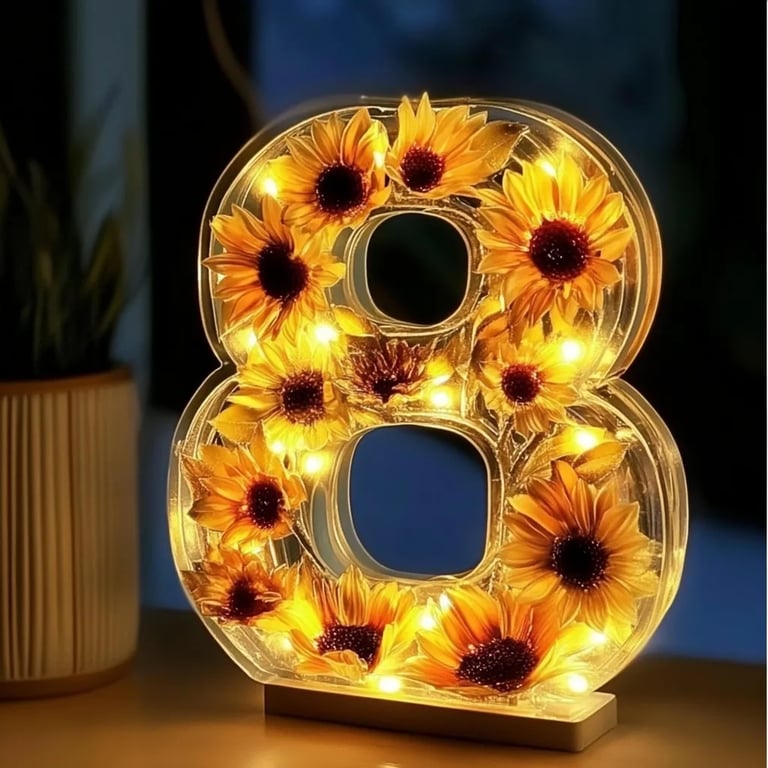
Hello, fellow crafters! Today, I’m thrilled to guide you through the enchanting process of creating a floral resin night light. This project is not only a beautiful way to bring a touch of nature indoors but also a wonderful activity to immerse yourself in creativity. Floral resin night lights have gained popularity for their unique aesthetic and the calming ambiance they provide, making them perfect for bedrooms, nurseries, or cozy reading nooks. Not to mention, they also make thoughtful gifts for friends and family!
What Exactly is a Floral Resin Night Light?
A floral resin night light is a decorative lamp embedded with real or faux flowers and created using epoxy resin, which hardens into a glossy, durable finish. When illuminated, the flowers come to life, casting beautiful patterns of light and shadow that can transform any space into a serene oasis. You can customize these lights with different flower types, colors, and forms to suit your personal style or the season.
Why I Love Making Floral Resin Night Lights
One of the best parts about crafting is that it allows you to express your personality and creativity. Working with resin can be incredibly satisfying, as it combines art with a bit of chemistry. I’ve made dozens of these night lights over the years, and each piece tells its own story, whether it’s using flowers from my garden, dried blooms gifted from a friend, or even artificial flowers in vibrant colors for a bold statement.
When and How Can You Use Them?
Imagine lighting up your bedroom with a soothing floral night light during a peaceful evening read or creating a serene atmosphere in a nursery with soft floral hues. They can also serve as a stylish accent on your bedside table or a charming centerpiece for a cozy gathering. Plus, the process can be therapeutic and meditative, allowing you to unwind while creating something beautiful.
Gather Your Materials
Before we dive into the nitty-gritty of crafting, let's gather everything you'll need:
Materials:
- Epoxy resin kit (resin and hardener)
- A silicone mold (tabletop lamp mold or any desired shape)
- Dried flowers (like lavender, rose petals, or hydrangeas)
- LED light source (submersible tea lights, fairy lights, or LED strip lights)
- Mixing cups
- Stir sticks
- A heat gun or torch (to eliminate bubbles)
- A scale (for accurate resin measurements)
- Gloves
- Masking tape
- Optional: glitter, colorants, or paints
Safety Supplies:
- Protective eyewear
- Ventilated workspace (resin can emit fumes)
Step-by-Step Tutorial
Step 1: Prepare Your Workspace
First and foremost, set up your crafting space, ensuring it’s clean, well-ventilated, and free from dust. I like to lay down plastic sheets to protect surfaces from spills. Make sure to wear gloves and protective eyewear because epoxy resin can be irritating to the skin and eyes.
Step 2: Choose and Prepare Your Flowers
Select dried flowers that will fit nicely into your mold. To dry flowers, place them in a dark, dry place for a few weeks, or use silica gel for faster drying. Once dried, trim any stems that are too long. I often use a combination of flowers for depth—try varying colors and shapes for visual interest!
Step 3: Mix the Resin
Accurate Measurement is Key! Following the instructions on your epoxy resin kit, measure equal parts resin and hardener. I usually use a scale for precision, as even a slight imbalance can affect the curing process. In my early projects, I learned the hard way that improper ratios can lead to a gooey mess!
Once measured, pour the components into a mixing cup and stir slowly for about 3-5 minutes until fully combined. Be cautious not to mix too vigorously to avoid creating too many bubbles. The heat gun will help later, but it’s best to start with a clean mix.
Step 4: Pour a Base Layer
After mixing, pour a thin layer of resin into the mold—this helps anchor the flowers and gives a solid base. Use a stick to spread it evenly if necessary. Allow this layer to cure for about 30-60 minutes until it's slightly tacky but not fully set.
Step 5: Arrange the Flowers
Once your resin base is tacky, it’s time to arrange your flowers. I love to start with larger flowers as a focal point and fill in with smaller blooms and foliage. Be gentle while placing them in; I often use a pair of tweezers to carefully position everything.
As you’re designing, remember: less is often more. I’ve made the mistake of overcrowding my designs before, leading to a chaotic look rather than a serene one.
Step 6: Pour the Top Layer of Resin
After arranging your flowers, prepare and pour another layer of resin over the top, ensuring all blooms are fully submerged. This layer can fill in any gaps and provide a glossy finish. Remember to tap the sides of the mold gently to release any trapped air bubbles or use your heat gun to pop them.
Step 7: Final Cure
Let the resin cure fully, which can take anywhere from 24 to 72 hours, depending on the product used. During this waiting period, I find it rewarding to plan how I will display my night light or choose a special spot for it.
Step 8: Demolding and Finishing Touches
After your resin has cured completely, carefully remove it from the mold. If the edges are sharp, you may want to sand them lightly with fine-grit sandpaper for a polished look.
Insert your chosen light source. If you’re using a submersible tea light, you can simply place it in afterward. For a more permanent installation, consider wiring in an LED bulb, depending on your skill level.
Tips and Tricks
- Avoid Dust: Cover your work area with a box or a cloth to keep dust from settling on your resin as it cures.
- Experiment with Colors: Consider adding a few drops of mica powder or resin pigments to the clear resin to create an enchanting glow.
- Troubleshooting: If your resin hasn’t cured properly, it may be due to incorrect measurements or not mixing thoroughly enough. If it remains sticky, you can sometimes pour another layer of resin over it, given that the original layer is still somewhat tacky.
Safety First!
Always wear gloves and work in a well-ventilated environment when working with resin. If you experience any irritation or adverse reactions, stop working immediately and consult a medical professional.
Creative Variations
Feel free to experiment! Try using different types of glitter, colorful paints, or even incorporating seashells or stones for a beachy feel. You could even create seasonal variations using autumn leaves, or dried citrus slices for an original summer night light.
Conclusion
Crafting a floral resin night light might seem intimidating at first, but with patience and practice, it opens up a world of creative possibilities. Not only will you end up with a beautiful night light that offers a soft glow to your space, but the entire process is incredibly fulfilling. I hope my journey—and these tips—encourages you to try your hand at this crafting adventure.
Remember, every crafter starts somewhere, and with every project, we grow and learn. So roll up your sleeves, gather your materials, and start creating! Happy crafting!