How to Make a Stunning DIY Preserved Flower Necklace: A Step-by-Step Guide
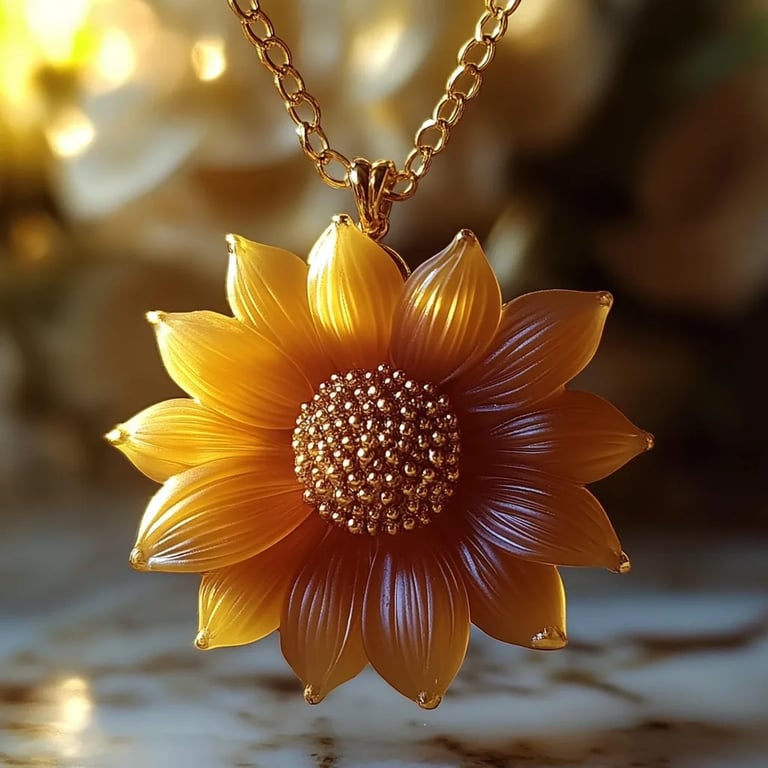
Hello, fellow crafting enthusiasts! Today I’m excited to take you through a delightful DIY project that blends nature's beauty with personal expression: a preserved flower necklace. This charming accessory not only serves as a statement piece but also carries the essence of the blooms you choose, allowing you to wear a piece of nature wherever you go.
Why Are Preserved Flower Necklaces So Popular?
Preserved flower necklaces have taken the crafting community by storm for a good reason. They encapsulate the delicate beauty of flowers while offering a unique touch to jewelry-making that’s both sentimental and stylish. Whether you’re preparing for a special occasion, want to create a heartfelt gift, or simply wish to adorn yourself with a piece of nature, these necklaces are perfect for a variety of occasions—from casual outings to elegant gatherings.
In this tutorial, I’ll share my meticulous process, tried-and-true tips, and creative variations that can take your crafting experience to the next level. So, grab your supplies, and let’s get started on this beautiful journey together!
Step 1: Gather Your Supplies
Before diving into the fun part, let’s make sure you have everything you need. Here’s a list of supplies and tools that are essential for creating your DIY preserved flower necklace:
- Flowers: Small, flat blooms like daisies, violets, or pansies work best.
- Epoxy resin kit: Look for a nons-toxic clear epoxy resin.
- Silicone mold: Choose a mold that fits the preferred size of your pendant.
- Necklace chain: You can use silver, gold, or leather depending on your desired aesthetic.
- Protective gear: Gloves and a mask are important for safety purposes.
- Tweezers: For placing delicate flowers accurately.
- Toothpick or popsicle stick: For mixing resin.
- Measuring cups for resin: Accurate proportions are crucial.
- Glitter or color pigments (optional): Add shimmer or color to your design.
- Alcohol wipes or cloth: To clean the mold and tools after use.
Pro Tip: Always gather your materials before starting. This not only streamlines your crafting process but also ensures you’re less likely to be caught off-guard mid-project.
Step 2: Prepare the Flowers
Preserving flowers can be a meticulous process, requiring patience and care. Here’s how I do it:
- Choose Your Flowers: Select fresh flowers that are free of blemishes and that you absolutely love. Look for flowers that can withstand the pressing process. For example, pressed daisies or violets keep their form beautifully.
- Pressing the Flowers: Place your selected flowers between two pieces of absorbent paper or in a flower press. You can also use heavy books if you don’t have a flower press. Leave them to dry for at least two weeks.
What Could Go Wrong: Sometimes, flowers can turn brown if they’re not dried properly. If you notice any discoloration after the pressing process, it might be best to start with a new batch.
- Trimming and Positioning: Once the flowers are fully dried, use scissors to trim them to your desired size for the pendant. Remember to experiment with different arrangements—layering and overlapping can create a visually appealing effect.
Step 3: Mix the Epoxy Resin
Now comes the fun part! Mixing the epoxy resin is where the magic happens:
- Prepare Your Workspace: Ensure you’re in a ventilated area and cover your work surface with newspaper or a plastic sheet to catch any spills.
- Mixing the Resin: Following the instructions on your epoxy resin kit, measure equal parts of resin and hardener in your measuring cups. Use a toothpick or popsicle stick to mix well, ensuring there are no bubbles—this step is paramount for a clear finish.
What Could Go Wrong: If the resin isn’t mixed properly, it may not harden. If you see bubbles forming, a gentle heat source like a heat gun can help pop them.
Step 4: Pour the Resin Into the Mold
Now it’s time to let your creativity shine:
- Create a Base Layer: Pour a small amount of resin into the silicone mold to create a base layer—this prevents the flowers from floating.
- Place the Flowers: Using tweezers, carefully position your dried flowers into the mold. This is your opportunity to create a unique design! Layer flowers and even add a bit of glitter or color pigments if you want an extra pop.
- Pour More Resin: Gently pour additional resin to cover the flowers entirely, ensuring they are encapsulated and visible from the top.
Safety Warning: Wear gloves throughout this process as resin can be sticky and sometimes irritating.
Step 5: Curing Time
Follow the instructions on your epoxy resin for curing time. Usually, it takes approximately 24 hours for the resin to fully harden.
- What To Avoid: Ensure the mold is left undisturbed during this time. Avoid exposing it to humidity, as this can slow down the curing process.
Step 6: Finishing Touches
Once your resin is fully cured, it’s time for the fun part—removing it from the mold and adding finishing touches.
- Demold Carefully: Gently peel the mold away from the resin. If it gets stuck, you can press gently on one side to help release it.
- Sanding (Optional): If there are any rough edges, you can sand them down with a fine-grit sandpaper, giving the piece a polished look.
- Attach to Necklace Chain: Use a jump ring to attach your pendant to your choice of necklace chain. Ensure you securely close the jump ring.
Creative Variations and Personal Anecdotes
Over the years, I’ve experimented with various flowers and techniques. For example, adding tiny fairy lights or beads can create a whimsical vibe. Some of my favorite designs involved incorporating personal items, like a small piece of lace or a memory from a significant event blended within the resin.
This DIY project is not only about the craft but also the memories and creativity you infuse into it. I’ve often created flower necklaces as gifts for friends—symbolizing nature’s bond with our cherished moments.
Final Thoughts
Creating a preserved flower necklace is an enriching experience that allows you to express your creativity while enjoying the beauty of nature. I hope this detailed guide helps you embark on your crafting journey with confidence. Don’t hesitate to make it your own!
Now the most important part: get crafting! Whether you’re creating for yourself or someone else, these necklaces are pieces of art that you’ll treasure forever. Happy crafting!