How to Make a Stunning Beaded Plant Hanger: A Step-by-Step Guide
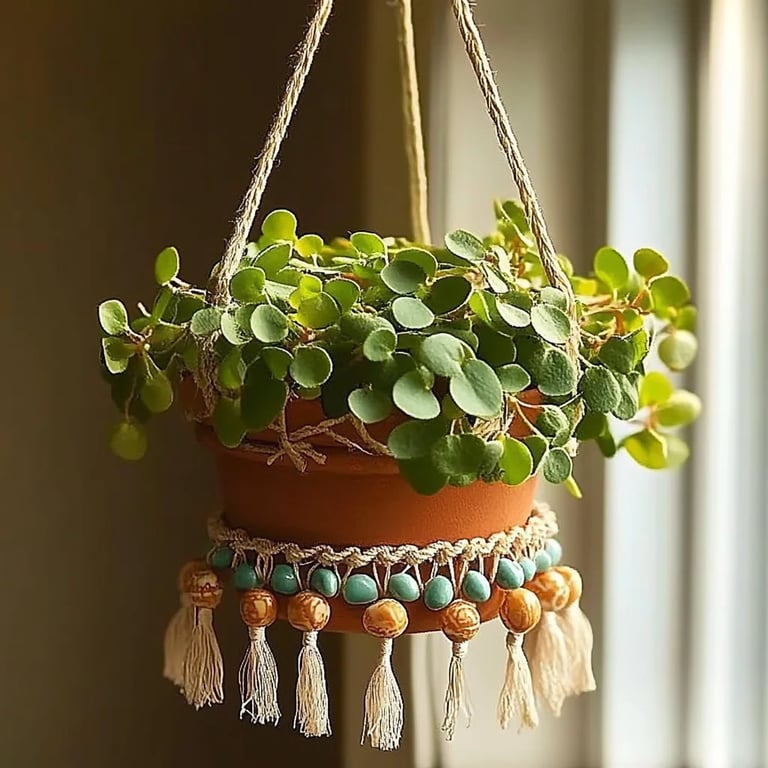
Hello, fellow crafters! Today, I’m excited to share with you one of my all-time favorite DIY projects—making a beaded plant hanger. If you’re looking to elevate your indoor or outdoor plants while adding a pop of color and texture to your space, you’ve stumbled upon the right tutorial. Beaded plant hangers are not only visually appealing but also functional, making them a hit among plant enthusiasts and home decorators alike.
In the world of crafting, there’s something truly rewarding about creating a unique piece that reflects your style and love for nature. Whether you want to spruce up your living room with some vibrant greenery or give your kitchen a quirky touch, a beaded plant hanger can seamlessly fit into various home aesthetics. They are fantastic for hanging trailing plants, succulents, or even herbs—so you can have a touch of greenery in any corner of your home.
Materials You'll Need
Before we dive into the steps, let’s gather our materials. Don’t worry—most of these can be found around your home or can be easily sourced at a craft store.
Essential Materials:
- Cotton macrame cord – A sturdy yet flexible material; I generally prefer 3-4 mm thickness for durability.
- Wooden or acrylic beads – Choose colors that resonate with your decor, typically larger beads (12-20 mm) work well.
- A plant pot – Select one with a diameter that fits your plant; I often use ceramic or terracotta pots.
- Scissors – A sharp pair is essential.
- Measuring tape – To help with accurate cuts.
- Optional: A glue gun (for securing beads) and tape.
Safety Precautions:
- When using scissors, always cut away from yourself to avoid accidental injuries.
- If you decide to glue anything, be mindful of hot glue burns.
Step-by-Step Tutorial
Step 1: Measuring the Cord
- Cutting the Cord
The length of your cord will depend on how high you want your plant to hang. A general rule of thumb is to cut five strands of macrame cord, each about 6-8 feet long. Remember, it's better to have a little extra than to come up short.
I once cut my cords too short and had to start over, which was frustrating. So, trust me on this one!
- Prepare the Strands
Gather all five strands and tie a knot at the top, leaving about 3-4 inches of cord above the knot (this will become the hanger loop). This knot is crucial as it serves as the foundation for the plant hanger.
Step 2: Adding the Beads
- Stringing the Beads
Take your preferred style of beads and start stringing them onto the cords. You can alternate colors, or create a pattern; this is where you can really let your creativity shine.
Tip: To prevent fraying, I usually put a small piece of tape around the ends of my cords. It makes threading the beads easier.
- Secure Your Beads
Once you reach your desired bead placement (I typically place 5-6 beads per strand), tie a knot under the beads to keep them from sliding off. This is essential as it ensures your beads stay in place, giving the hanger a structured look.
Step 3: Creating the Structure
- Forming the Base
Now, decide how many cords you’ll use to create the base for your plant pot. I usually take four strands, pairing them off, and tie them a few inches below the last bead knot. The more evenly spaced this base is, the more balanced your pot will hang.
- Knotting the Base
With the two pairs, tie a tight knot that creates a secure cradle for your pot. Always check that your plant pot fits comfortably in this cradle—too loose, and your plant may topple over; too tight, and it’ll be hard to get it out when needed.
Step 4: Finishing Touches
- Securing the Plant Pot
Place your plant pot into the cradle you just made. If everything fits snugly, you can further secure the knots with some hot glue if you’d like.
- Trimming the Cords
Once everything looks good and secure, you can trim the excess cord to your desired hanging length, ensuring an aesthetically pleasing look.
Step 5: Final Checks
Before you hang your masterpiece, double-check the sturdiness of your knots and secure any loose ends. With that, your beautiful beaded plant hanger is ready to shine!
Creative Variations
- Color Themes: You can easily switch up the bead colors according to holidays or seasons—pastel shades for spring or rich earthy tones for fall.
- Adding Natural Elements: If you want to include a natural twist, consider incorporating small wooden slices or feathers along the macrame design.
- Upcycling Beads: Got leftover beads from past projects? This is a great time to upcycle! Mix and match to create a mismatched look, adding a layer of personality.
Troubleshooting Common Issues
- Knot Slipping: If you notice the knots loosening, it’s important to reinforce them with additional knots or hot glue. Always check after you’ve hung your plant to prevent any mishaps!
- Beads Not Fitting: Should you find that your beads are not sliding onto the cord, check the thickness of the cord; if it's too thick, you'll need to use larger beads or choose a thinner cord.
- Lopsided Hanger: If your hanger looks uneven, simply adjust the beads or the tension in your cords, redistributing weight until it hangs evenly.
Wrapping Up
Crafting a beaded plant hanger is a delightful way to showcase your love for both plants and creativity. With a little time and patience, you can create a stunning centerpiece for any room in your home. Plus, it's an incredibly rewarding experience to nurture a plant while giving it a stylish home!
I hope you found this guide helpful and inspiring. Don’t hesitate to put your personal spin on this project. Lighting up your space is just a craft away! Happy crafting and let those plants hang beautifully! 🌿✨