How to Make a Salt Volcano Experiment: A Step-by-Step Guide
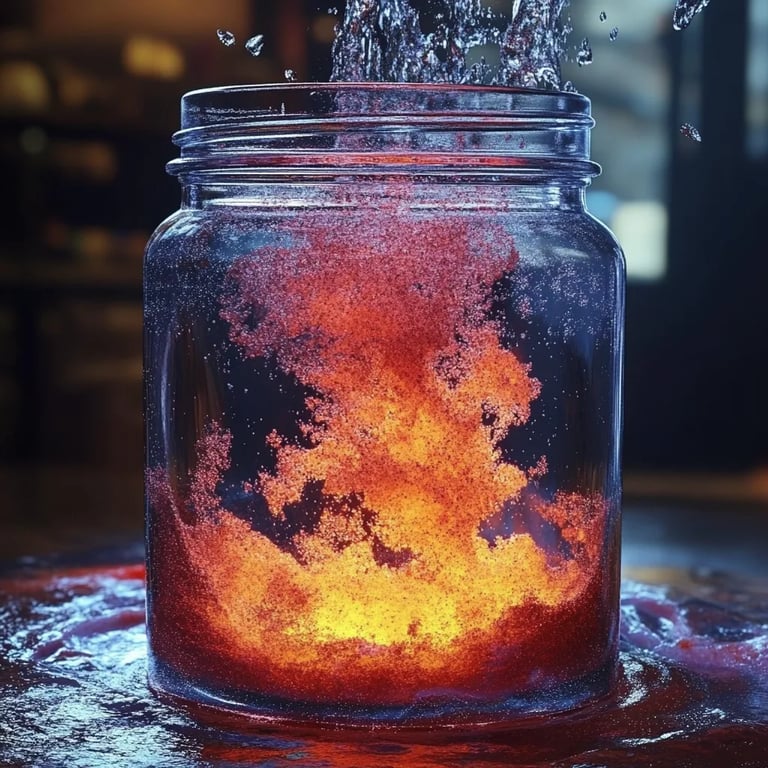
Hello, fellow crafters and science enthusiasts! Today, I’m excited to share one of my favorite hands-on experiments: the Salt Volcano! This delightful project is perfect for both kids and adults alike, balancing education and entertainment effortlessly. Whether you're a parent looking for an engaging activity for your children, a science teacher aiming to spark curiosity, or simply someone wanting to indulge your creative side, the Salt Volcano Experiment is a fantastic choice.
What is the Salt Volcano Experiment?
The Salt Volcano Experiment is a fun and engaging way to explore chemical reactions. At its core, this experiment demonstrates how common household ingredients can create a spectacular visual display reminiscent of a real volcanic eruption. The beauty of this project lies in its simplicity—using everyday materials, anyone can recreate a mini volcanic eruption right at home.
This experiment is popular for various occasions, such as science fairs, birthday parties, or homeschooling activities. It is a great way to teach kids about basic chemistry principles, including reactions and the concepts of acids and bases. Moreover, it’s a chance for all ages to have hands-on fun while fostering a passion for science.
Materials You'll Need
Before we dive into the details, let's gather the things you'll need for the Salt Volcano Experiment. Here is a comprehensive list of accessible materials:
Basic Ingredients
- Baking Soda (1/4 cup) – This ingredient serves as the base of our volcano reaction.
- Vinegar (1 cup) – This common household acid creates the eruption when combined with baking soda. Make sure to use white vinegar for the best reaction.
- Salt (1/2 cup) – The star of the show that gives the volcano its shape and adds a little extra punch to the eruption.
- Food Coloring (optional) – For that extra dramatic effect, use food coloring to make your volcano "lava" more visually appealing.
- Dish Soap (1 teaspoon) – This ingredient helps to create foamy bubbles that enhance the eruption effect.
Tools and Setup
- A large shallow tray or a disposable baking tray – This is where the volcano will erupt. It contains the mess, which is super important!
- A small cup or container – To hold the neutron reaction (this will act as your "volcano").
- Spoon or spatula – For mixing ingredients.
- Measuring cups – Precision matters, so get those measuring tools ready.
- Paper towels or a cloth – Handy for cleaning up any spills.
Step-by-Step Tutorial
Now that we have our ingredients and materials ready, let's get started on this volcanic adventure!
Step 1: Creating the Volcano Structure
- Shape the Salt and Baking Soda Mixture:
- In a bowl, mix together the 1/4 cup of baking soda and 1/2 cup of salt until well combined. The salt promotes textural appearance similar to volcanic rock.
- Transfer this mixture onto the center of your shallow tray or baking tray. Create a mound, using your hands to shape it like a volcano, leaving a small crater at the top. The height an impressive volcano reaches will create a more dramatic eruption.
Tip:
- The more pronounced your volcano’s crater is, the more dramatic the eruption will appear!
Step 2: Preparing for the Eruption
- Setting the Eruption Source:
- Place the small cup or container in the center of your volcano. This will be the chamber that holds the liquid that causes the eruption.
Step 3: Adding Ingredients for the Eruption
- Mixing in the Volcano:
- In the cup, add approximately 1/4 cup of vinegar. If you want colored lava, add a few drops of food coloring to the vinegar before pouring.
- Optional: Mix in 1 teaspoon of dish soap into the vinegar to enhance the bubbly effect.
Step 4: The Grand Eruption!
- Triggering the Reaction:
- Now, here's where the magic happens! Slowly pour the vinegar mixture into the crater of your salt volcano.
- Step back and watch the gloopy "lava" erupt from the volcano's top. The reaction initially causes bubbling and foaming, creating a spectacular visual that resembles flowing lava.
What Could Go Wrong:
- The volcano may not erupt if there's not enough vinegar or if the baking soda and salt are not properly mixed. Always double-check your measurements!
Fix it:
- If your volcano doesn’t erupt, simply add more vinegar to the crater and make sure the baking soda is evenly distributed.
Step 5: Clean-Up
- Time to Clean Up:
- After the eruption, you may want to preserve the volcano for show or clean it up right away. The reaction produces a mixture that is easy to wipe away with a damp cloth or a paper towel.
Personal Anecdotes and Tips
I remember the first time I tried this experiment—my kids were mesmerized as the “lava” bubbled and flowed over the edges of the volcano! We even added some small toy dinosaurs for dramatic effect, turning our living room into a mini Jurassic Park.
Alternative Methods
You can also experiment with different ratios of vinegar and baking soda or try adding additional materials, such as glitter, to the “lava” for a sparkling effect.
Safety Considerations
While the Salt Volcano Experiment is safe and non-toxic, it's good practice to always supervise younger children during the experiment and ensure they do not ingest any materials. Also, do the experiment in an area that’s easy to clean, in case of spills.
Creative Variations
Here are a few creative variations to try for your Salt Volcano Experiment:
- Different Colors:
- Use multiple colors of food coloring to create a rainbow eruption.
- Add Sparkles:
- Incorporate glitter into your salt mix for an extraordinary display.
- Experiment with Other Ingredients:
- Try substituting baking soda with other items such as citric acid, but be cautious with the mixtures.
- Sensory Version:
- Add scents to the vinegar (like essential oils) for a sensory experience.
In conclusion, the Salt Volcano Experiment is an enjoyable, interactive way to explore science at home. With simple materials and step-by-step guidance, even beginners can create spectacular eruptions. So gather your ingredients, unleash your inner scientist, and watch as learning and excitement unfold before your eyes! Whether you're doing this with kids or for your own enjoyment, I hope you find as much joy in the process as I have. Happy erupting!