How to Make a Lava Lamp Style Suncatcher: A Step-by-Step Guide
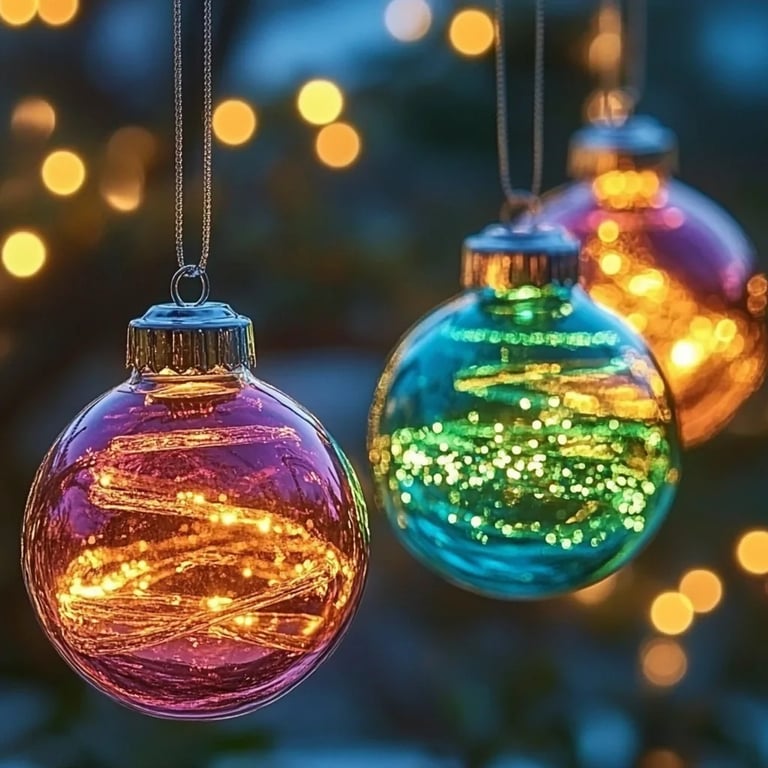
Hello there, fellow crafting enthusiasts! I’m excited to share one of my absolute favorite DIY projects with you: a Lava Lamp Style Suncatcher. This delightful project is not just a visual treat; it allows you to explore and experiment with color and light in a playful way. Lava Lamp Suncatchers have been trending as charming décor pieces that transform spaces with their vibrant colors and mesmerizing swirls. Perfect for brightening up a window, adding a festive touch, or even gifting to someone special, these suncatchers have captured the hearts of crafters of all ages.
Throughout this article, I'll guide you through a comprehensive tutorial on making your own Lava Lamp Style Suncatcher, complete with tips and alternatives to ensure your crafting experience is enjoyable and successful. Let’s get started!
Why Lava Lamp Style Suncatchers?
These suncatchers are popular not just for their beauty, but also their nostalgic charm. A lava lamp evokes a sense of whimsy and tranquility, making our environments feel relaxed and welcoming. Additionally, the play of light through colored oils and water creates stunning visual effects when hung in a sunlit window.
Materials You'll Need
Before we dive into the process, ensure you have the following materials on hand:
- Glass or acrylic craft panel (12×12 inches is a good size for beginners)
- Cooking oil (vegetable oil works great)
- Water
- Food coloring (multiple colors for different effects)
- Clear glue or resin (optional, for a more permanent finish)
- Paintbrush or pipettes (for applying color)
- DIY cutter or utility knife (carefully used)
- Paper towels (for spills and cleanup)
- Mixing cup (for combining colors)
- Measuring spoons
- Pencil and ruler (optional, for measurements)
- Gloves (optional, if you're concerned about getting your hands colorful)
Step-by-Step Tutorial
Step 1: Prepare Your Workspace
Before anything else, clear a flat working area. Gather all your materials and tools, and wear clothes that can handle a bit of mess. Crafting can be a little chaotic, but it’s all part of the fun!
Tip: Lay down a plastic sheet or newspaper to protect your work surface from spills.
Step 2: Measure and Cut Your Base
Using your glass or acrylic craft panel, I recommend a size of 12×12 inches. This provides ample space for creative designs while still being manageable.
- What to do: If you're cutting your own panel, use a utility knife to score and snap the panel carefully. Always make sure to work with a cutting mat underneath to safeguard your surfaces.
Safety Warning: Use the knife with caution. If you’re not comfortable using one, you can often find pre-cut panels at local craft stores.
Step 3: Create the Lava Effect
In a mixing cup, combine your cooking oil with water in a 3:1 ratio. For every 3 tablespoons of oil, add 1 tablespoon of water.
- Why this matters: The oil and water will create a stunning layered effect, mimicking the look of lava!
- Common issue: If the layers don’t form well, it could be due to the wrong ratios or too much agitation. You want the oil to float atop the water without mixing.
Step 4: Add Color
Using a pipette or a brush, drop food coloring into the layered oil and water mixture. You can create swirls by slowly adding the food coloring, and if you’re a fan of gradients, you can mix colors in a separate cup and then add them without blending them too much.
- Creative Variation: Use neon or metallic food colors for a vibrant effect that truly shines in the sunlight!
Step 5: Secure the Design
Once you are happy with the colors and layers, carefully tilt your panel to ensure the colors spread across the surface, creating the lava effect. If you want a more permanent creation, you can seal the colors with clear glue or pour a thin layer of resin over the entire panel.
- Why sealing matters: This final layer helps retain the colors and protects your artwork from fading over time.
Step 6: Let it Dry
If you’ve opted for resin or glue, allow it to dry completely as per the product guidelines. Always read the manufacturer’s instructions carefully to ensure optimal results.
- Patience is key: This is the most crucial step. Rushing might disturb your design and compromise the overall look.
Step 7: Hang Your Suncatcher
Once dry, find a sunny window where your suncatcher can truly shine. Use suction cups or a decorative ribbon to hang your creation, letting it dance in the sunlight.
Troubleshooting Tips
- If colors blend too much: If you accidentally mixed colors and they turned murky, try to layer a bit more oil to separate them again.
- If bubbles form in the resin: Use a toothpick to gently pop them, or lightly heat the surface with a heat gun (carefully, of course).
Alternative Methods and Ingredient Substitutions
If you're looking for alternative approaches, consider using gelatin mixed with food coloring instead of oil and water for a stunning effect that hardens. You can also experiment with using glass paints which provide vibrant colors but require some drying time.
A Personal Anecdote
I remember my first encounter with a lava lamp—I was spellbound watching those bubbles swirl and change shape. Crafting this suncatcher brought back that same sense of magic. I recall one breezy afternoon when I hung my completed suncatcher in the kitchen window. The sunlight streamed through, casting rainbow reflections around the room, and my family came rushing in to admire it—it sparked an impromptu family crafting session that turned into a cherished memory.
Final Thoughts
Creating a Lava Lamp Style Suncatcher is more than just a project; it’s an experience that brings joy and creativity into your home. I hope you find so much pleasure in making one as I have! Remember, crafting is all about exploring and learning, so don’t hesitate to experiment with colors, layers, and techniques.
So gather your materials, roll up your sleeves, and let your imagination shine through. Happy crafting, and may your windows glow with spectacular colors for many seasons to come!