How to Make a DIY Preserved Flower Necklace: A Crafting Journey
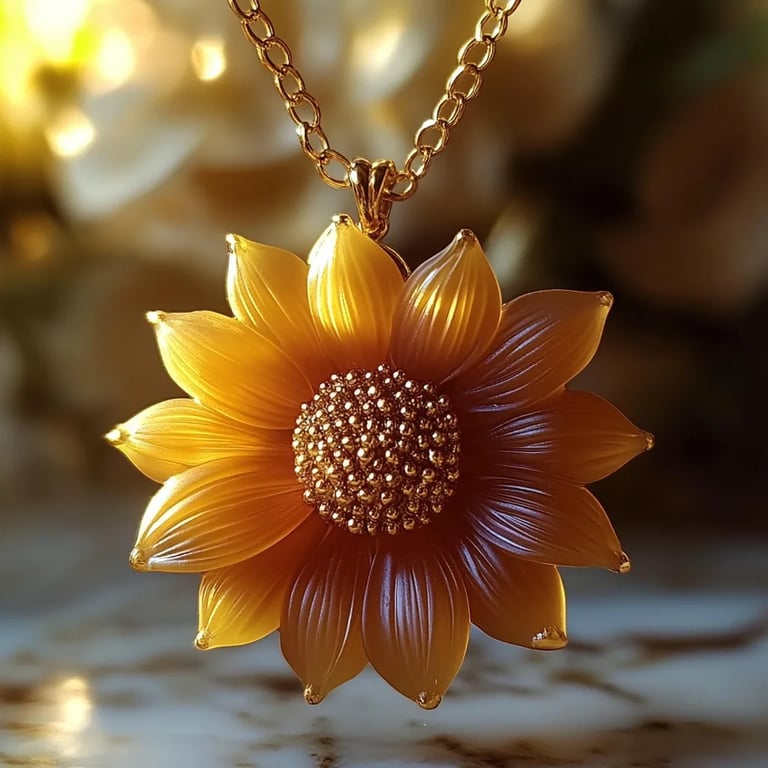
Hello fellow crafters! Today, I’m thrilled to take you through one of my absolute favorite crafting projects: creating a DIY preserved flower necklace. With their vibrant colors and delicate beauty, preserved flowers make for stunning jewelry pieces that are not only trendy but also offer a personal touch to any outfit. Whether you’re looking for a unique gift or a way to keep your cherished blooms close to your heart, this project is perfect for all occasions, from casual outings to formal events.
Why Preserved Flower Necklaces Are Popular
In the world of handcrafted jewelry, preserved flower necklaces have carved out a charming niche. They connect us with nature while allowing us to express our personality and style. This trend has surged in popularity because they serve as adorable statement pieces, evoke fond memories, or even commemorate special occasions like weddings. Plus, they are versatile enough to match any outfit, making them an ideal accessory for any wardrobe.
What You’ll Need
Before we dive into the step-by-step process, let’s gather all the necessary materials. I aim for a straightforward approach, so I will be using common materials you might already have at home or can easily find at your local craft store.
Materials:
- Dried flowers (you can buy them or dry your own)
- Resin (epoxy resin is the preferred choice for this project)
- Resin hardener
- Silicone mold (specific for jewelry)
- Jewelry chain or cord
- Jump rings
- Clasp
- Gloves (to protect your hands)
- Safety goggles (safety first!)
- Mixing cups and sticks (for resin)
- Craft knife or scissors (for trimming excess)
- Tweezers (for arranging flowers)
- Isopropyl alcohol or denatured alcohol (for cleaning tools)
Step-by-Step Tutorial
Now that we have everything assembled, let’s jump right into crafting our stunning preserved flower necklace!
Step 1: Prepare Your Workspace
Creating jewelry involves precision, so I recommend finding a clean and organized space. Ensure your work area is well-ventilated, especially when working with resin, as it can release fumes.
Tip: Lay down newspaper or a silicone mat to catch any spills!
Step 2: Prep the Flowers
If you’re using dried flowers, ensure they are completely dry. I’ve made the error of rushing this process before, which resulted in some blooms turning brown after applying resin. If you’re new to drying flowers, you can easily do this by hanging them upside down in a cool, dry, and dark area for about two to three weeks.
Pro Tip: Smaller flowers like forget-me-nots or daisies work beautifully!
Step 3: Measure and Mix the Resin
Follow the instructions on your resin packaging for the correct resin-to-hardener ratio. Usually, this is a 1:1 measurement, but it can vary.
Important: Always wear gloves and safety goggles while handling resin. If the resin comes into contact with your skin or eyes, promptly rinse with plenty of water and consult a medical professional if irritation persists.
Carefully combine the resin and hardener in your mixing cup and stir thoroughly for at least three minutes. Make sure there are no bubbles—these can create imperfections in your finished piece.
Step 4: Pour Resin into the Mold
Once your resin is mixed, pour a small amount into the mold, ensuring it covers the bottom evenly. This serves as a base for your flowers.
Caution: Be cautious not to overfill, as adding flowers will displace some resin.
Step 5: Arrange Your Flowers
Using tweezers, begin placing your dried flowers into the mold. This is where you can truly customize your necklace; don't be afraid to experiment with different arrangements! I often like to layer colors and shapes for added depth.
Tip: If you want your flowers to be “floating” in the resin, pour another thin layer of resin over the flowers before adding more.
Step 6: Pour More Resin
Once you've arranged your flowers to your liking, slowly pour more resin over them, ensuring they are completely covered. Gently shake or tap the mold to release any air bubbles.
Step 7: Curing the Resin
Once everything is set in place, it’s time for the resin to cure. Depending on the brand you’re using, this can take anywhere from 24 to 72 hours. Be patient! Avoid cosmetic mistakes like touching or disturbing the mold during this phase.
Step 8: Remove the Necklace from the Mold
After the resin has cured completely, it’s time for the magic moment! Carefully remove the mold. If it’s stubborn, you can gently flex the mold or apply a small amount of heat.
Step 9: Finishing Touches
Trim any excess resin from the edges using a craft knife or scissors. You want your piece to be smooth and seamless.
Step 10: Assemble the Necklace
Attaching your necklace clasp to the jump rings and chain comes next. Using pliers, connect the jump rings to the resin piece and the chain.
Extra Tip: Secure everything tightly to prevent any breakage during wear.
Troubleshooting Common Issues
- Bubbles in Resin: If you see bubbles, don’t panic! Use a toothpick to pop them if they're poking through the surface. You can also use a heat gun briefly to eliminate smaller bubbles.
- Dull Appearance: If your finished piece looks cloudy, you may have mixed the resin incorrectly. Make sure to follow the ratios closely next time.
- Flowers Not Setting: Ensure the flowers are fully dried before starting to prevent discoloration or spoiling.
Alternative Methods or Ingredient Substitutions
- Natural Dyes: If you want to experiment with color, try adding natural vegetable or flower dyes to the resin mix.
- Different Molds: Explore various shapes or sizes of silicone molds for unique designs—consider using a heart or star shape for a playful twist!
Creative Variations
- Layering Colors: Use colored resin in different layers for a rainbow effect.
- Making a Set: Create matching earrings or a ring to complete your jewelry set.
- Personal Touch: Incorporate meaningful elements like a small charm or initial.
Final Thoughts and Personal Anecdote
Crafting a preserved flower necklace can be a meditative and rewarding experience. I remember the first time I created one; it was a heartfelt gift for my sister’s birthday. I used flowers from her favorite bouquet, and seeing her wear it made my heart swell with joy. The smiles and compliments from others made all the effort worthwhile!
Embrace this crafting journey with open arms. Make it a bonding session with friends or a tranquil me-time project. Within these layers of resin and flowers lies the essence of memories captured, and I hope you cherish every moment of the process. Happy crafting!