How to Make a DIY Mini Rain Cloud Science Experiment in a Jar
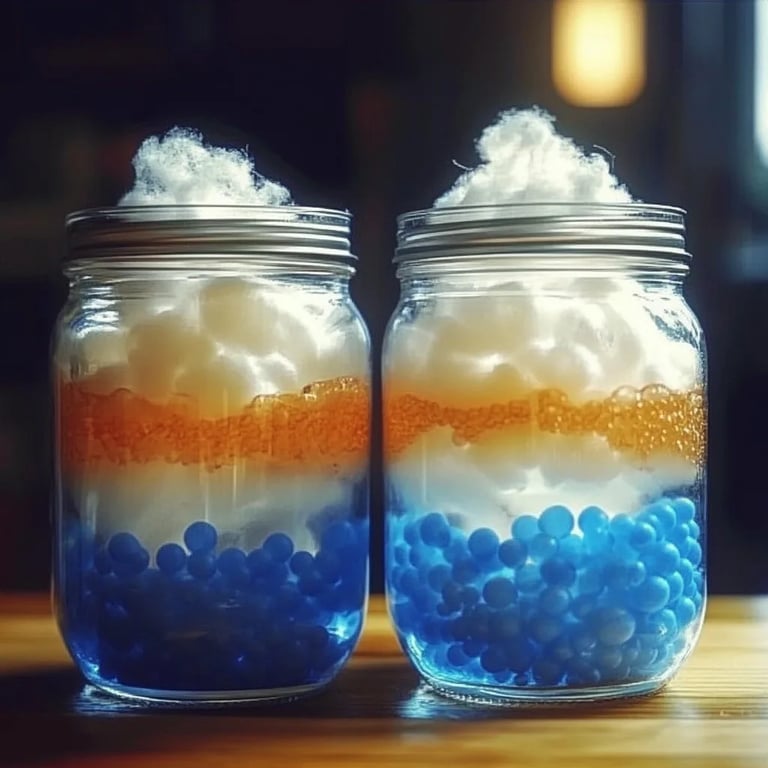
As a seasoned crafter and science enthusiast, one of my absolute favorite hands-on experiments is the DIY Mini Rain Cloud in a Jar. It’s a simple yet profoundly captivating activity that captures the beauty of weather phenomena right at home. Perfect for budding scientists, curious kids, or anyone who loves to blend creativity with learning, this weather-themed project has gained popularity for its educational value and fun factor. Whether you're hosting a birthday party, a learning session at home, or just looking for a delightful rainy-day activity, creating a mini rain cloud is both entertaining and informative.
This experiment allows us to explore the science of cloud formation and precipitation in a visually stunning way. I've used it with kids and during science fairs, and it never fails to amaze. Plus, it's completely safe and requires materials you likely already have in your home. Let me take you through the entire process, step by step, with a friendly guide that includes tips, anecdotes, and insights.
Materials You'll Need
Basic Supplies
- A clear glass or jar (mason jars work wonderfully)
- Shaving cream (the fluffy kind, typically found in your bathroom)
- Food coloring (various colors for fun)
- Water
- A dropper or spoon (for adding colored water)
Optional Supplies
- A small spoon (for mixing or stirring)
- A small bowl (to mix colors)
- Paper towels (for cleanup)
Step-by-Step Guide
Step 1: Prepare the Jar
Begin by filling your clear jar with water, leaving about an inch of space at the top. This water acts as the “sky" where our rain cloud will form. Pouring this carefully ensures that you won’t spill or create bubbles that might interfere with the experiment later.
Why It Matters: The space left at the top allows for the creation of space that simulates an atmosphere, enabling the shaving cream to float on top and create a cloud effect.
Potential Pitfalls: If you pour too much water, the shaving cream won’t be able to create the right 'cloud' look. If that happens, just remove some water with a spoon or tilt the jar gently to drain a bit without losing what's already inside.
Step 2: Create Your Cloud
The next step involves adding a dollop of shaving cream on top of the water. This will represent your cloud. Use a spoon or your hands (just be ready for some foam!) to place it gently on the water's surface.
Why It Matters: The shaving cream acts as the "cloud" that will eventually hold the colored water (the rain) as it becomes saturated.
Common Mistakes: Overloading your jar with too much shaving cream can prevent the food coloring from effectively penetrating it. A small dollop is enough to create a fluffy, billowy effect!
Step 3: Prepare the “Rain”
In a separate bowl or cup, mix about 1-2 tablespoons of water with a few drops of food coloring. Enter the dropper. Dip it in your colored water and gently let drops fall onto the shaving cream cloud.
Why It Matters: This step shows how rain forms in clouds. As you add the colored water, it simulates the process of rain falling when clouds become heavy with moisture.
Possible Issues: If your food coloring creates a chaotic splash rather than a gentle drizzle, your cloud could become too saturated, leading to a less dramatic effect. To remedy this, control the pressure when using the dropper—slow and steady wins the race.
Step 4: Watch the Magic Happen
As you add the colored water, you should start to see the food coloring slowly penetrate through the shaving cream and into the water below, resembling rain. This is the magic of our little rain cloud!
Why This Works: The shaving cream temporarily holds the colored water as it becomes so saturated that it can no longer hold it—this is akin to clouds in the atmosphere becoming dense enough to drop rain.
Helpful Tips: If you want a more dramatic effect, consider using multiple colors of food coloring in different sections to create a rainbow cloud—just let each color settle before adding another.
Step 5: Clean Up (but enjoy the mess too!)
This experiment can get a little messy, so be sure to have paper towels nearby for quick cleanups. However, I find it useful to let kids engage in this part! Wiping up shaving cream and water can also be part of the learning process, reinforcing the science behind weather phenomena.
Additional Tips and Variations
- Color Themes: You can choose seasonal colors—like blue and white for winter, bold colors for summer storms, or pastel hues for spring rain.
- Layering: For an interesting twist, try letting different colors sit and layer in the jar for an added visual treat.
- Science Pairing: Follow up this experiment with a discussion on the water cycle to further enrich the learning experience.
- Ingredient Substitutions: If you don’t have shaving cream, whipped cream can work in a pinch, though it might not produce the same cloud stability.
Safety Warnings
While this experiment is safe, ensure that younger children understand not to ingest the shaving cream or food coloring. Monitor them during the activity to discourage any tasting experiments!
Personal Insights
I've had the pleasure of showcasing this experiment to kids ranging from two to ten, and every age group finds something magical about watching "rain" form in a jar. I particularly remember the awe in my niece's eyes when she first noticed the colored droplets trickling down; that moment was worth every minute of preparation!
Creating a DIY Mini Rain Cloud is a wonderful blend of science, art, and fun! As you embark on this crafty journey, remember that it's not just about the final product but the excitement of exploring the how's and why's alongside those you share this experience with. So gather your materials, let the crafting begin, and enjoy this magical snippet of science at home. Happy crafting!