Grow a Rainbow Paper Towel Experiment: An Incredible Ultimate Guide to 5 Steps
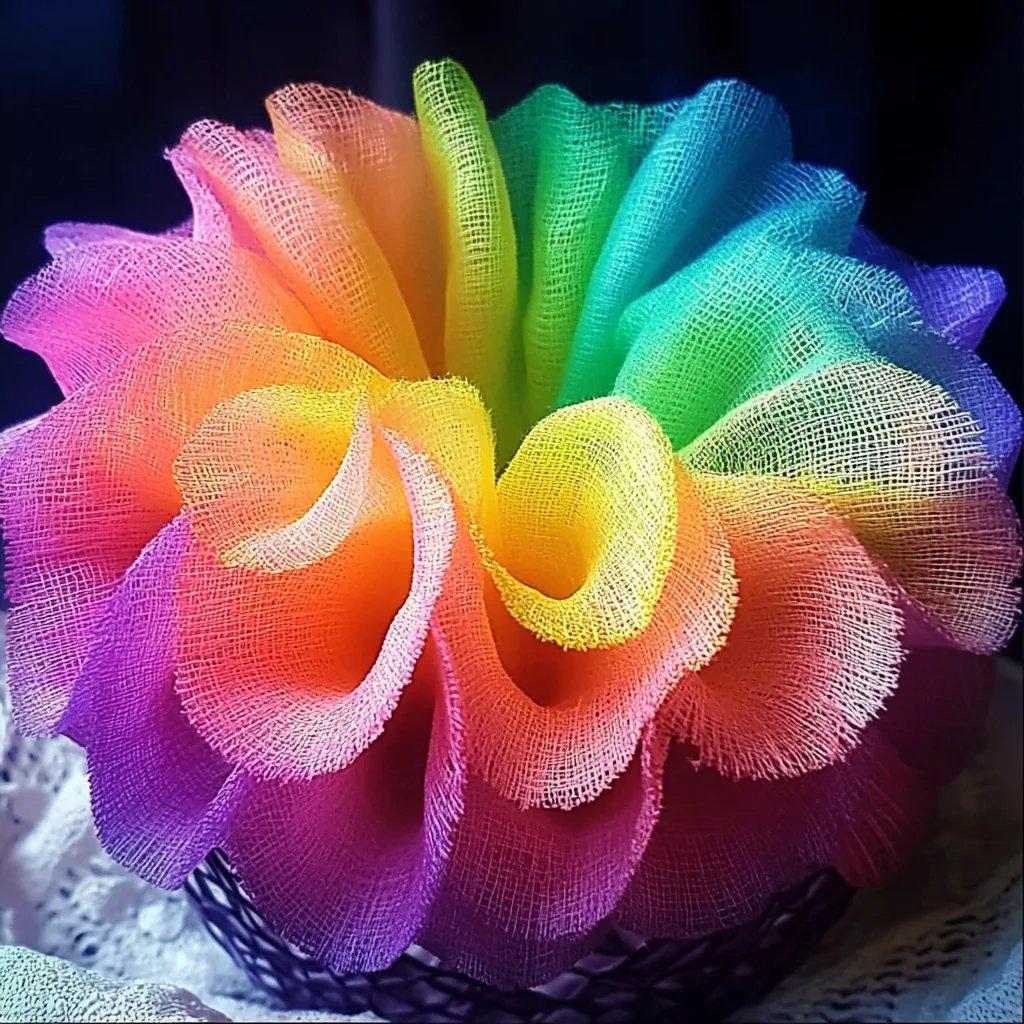
Grow a Rainbow Paper Towel Experiment is an engaging and colorful activity that captivates the imagination of both children and adults alike. This exciting science experiment uses simple materials found in most households to illustrate the fascinating nature of color mixing and capillary action. The vibrant results can be awe-inspiring and educational, making it a perfect choice for classrooms, family activities, or science fairs. With just a few drops of food coloring and some paper towels, you can create stunning rainbow patterns that will be sure to amaze everyone.
The Grow a Rainbow Paper Towel Experiment is not only visually appealing but also teaches important scientific concepts in a fun and interactive manner. Kids can learn about primary colors, secondary colors, and how water travels through materials—a core principle in understanding biology and physics. Moreover, this hands-on experience encourages curiosity and critical thinking as they predict the outcome and observe the marvelous transformations of colors throughout the process.
This ultimate guide will not only delve into the step-by-step instructions for this captivating experiment but also explore why the Grow a Rainbow Paper Towel Experiment is beneficial for young learners. If you're ready to embark on a creative journey filled with color and excitement, join us as we uncover the details of this incredible scientific exploration!
Why You’ll Love This Recipe
The Grow a Rainbow Paper Towel Experiment is a wonderful way to spark creativity and learning. Here are some reasons why this experiment is so captivating:
- Simple and Accessible: You only need common household items, making it easy to set up with minimal preparation.
- Engaging and Fun: Watching colors combine and spread appeals to children's visual senses, making learning enjoyable.
- Educational Value: Kids will learn about colors, diffusion, and capillary action—knowledge that applies to everyday life.
- Interactive Experimentation: Children can take charge, making hypotheses about color combinations and observing outcomes.
- Perfect for Group Activities: Ideal for classrooms, camps, or family gatherings, fostering collaboration and discussion.
- Customization Opportunities: You can modify the colors and patterns based on preferences, allowing for endless variations.
Each of these benefits highlights why the Grow a Rainbow Paper Towel Experiment is an activity worth exploring. This experiment not only delivers stunning visual results but also nurtures a child's love for science and creativity.
Preparation and Cooking Time
To successfully prepare for the Grow a Rainbow Paper Towel Experiment, allocate approximately 30-45 minutes. Here’s a breakdown of the time required:
- Preparation Time: 10-15 minutes to gather materials and set up.
- Experiment Time: 15-30 minutes for observing color changes and patterns.
- Discussion/Conclusion Time: 5-10 minutes for reflection and explanation of results.
This timeline may vary based on the number of participants and their engagement level, but it should provide a solid framework for your experience.
Ingredients
- Paper towels
- Food coloring (red, yellow, blue recommended)
- Small cups or containers (to hold water)
- Water
- A tray or large plate (to catch any spills)
Step-by-Step Instructions
Follow these simple steps to successfully complete the Grow a Rainbow Paper Towel Experiment:
- Prepare the Materials: Gather all items listed in the ingredients section to create a convenient workspace.
- Cut the Paper Towels: Cut the paper towels into strips about 1-2 inches wide and long enough to reach from a cup to the tray.
- Fill the Cups: Fill the small cups with a small amount of water—approximately ¼ full is sufficient.
- Add Food Coloring: Add a few drops of your chosen food coloring to each cup of water. You can use three colors to create the rainbow effect.
- Insert the Paper Towels: Place one end of a paper towel strip into a colored cup and the other end into the tray. Repeat with different colors, ensuring each paper towel is in a separate cup.
- Observe the Changes: Watch as the water travels up the paper towel due to capillary action, mixing colors and creating a beautiful rainbow effect!
As the experiment progresses, encourage participants to observe how the colors blend and change. Discuss any surprises or patterns they notice. The visual results serve as a captivating lesson in both art and science.
How to Serve
Once your rainbow masterpiece is complete, consider the following ideas on how to showcase and discuss the Grow a Rainbow Paper Towel Experiment:
- Presentation: Arrange the finished paper towel strips neatly on a platter for visual impact. A clear layout will make the results easy to observe and appreciate.
- Talk About Color Theory: Engage participants in a discussion about primary and secondary colors. Explore how the colors created by the blending of food coloring relate to what they see.
- Further Experiments: Encourage continuation of the activity by trying different colors or varying the amounts of water and food coloring. This experimentation will deepen understanding and keep the learning process alive.
- Document the Experiment: Take pictures of the beautiful patterns created as a record of the experiment. You can later share these images with friends or family or even create a science journal.
- Reflect on Learning: Have a conversation about what everyone learned during the experiment. Encourage children to express their thoughts about the process and outcome.
By thoughtfully presenting and discussing the Grow a Rainbow Paper Towel Experiment, you can enhance the educational value and ensure that everyone involved walks away with lasting memories and knowledge!
Additional Tips
- Experiment with Colors: Don’t hesitate to use more than the basic three colors. You might find that adding additional colors can create even more mesmerizing effects in your rainbow patterns.
- Control Water Levels: The amount of water in each cup can affect how far the colors travel. Consider experimenting with different water levels to see how it impacts the mixing process.
- Use Different Paper Towel Brands: Different brands may absorb water differently. Experiment with various brands to see which gives the best results for your rainbow creation.
- Observe Different Patterns: Encourage participants to arrange their paper towel strips in various ways in the tray. The patterns formed can lead to unique discussions about color theory and artistic design.
Recipe Variation
Feel free to add your own twist to the Grow a Rainbow Paper Towel Experiment. Here are a few variations to try:
- Using Natural Dyes: Instead of food coloring, use natural dyes made from fruits and vegetables, like beet juice or spinach. This can add an organic element to your experiment.
- Layering Techniques: Try folding the paper towels in different ways before immersing them in the colored water to explore how that impacts the color spread.
- Adding Scent: To make the activity multisensory, consider adding a few drops of essential oils to the water. This way, the colors come with delightful scents as well.
Freezing and Storage
While the Grow a Rainbow Paper Towel Experiment is designed to be a short-term activity, here’s how to manage the remnants post-experiment:
- Storage: If participants wish to save their creations, allow the paper towels to dry fully and store them flat in a zip-top bag or an airtight container.
- Display: Alternatively, use the dried paper towels as decorations. Frame them or hang them up for a fun, colorful display.
Special Equipment
No special equipment is necessary to execute the Grow a Rainbow Paper Towel Experiment. However, here are a few helpful tools you could use:
- Marker or Pencil: For labeling cups if experimenting with multiple colors or setups.
- Measuring Cups: For accurate measurement of water, especially when experimenting with different amounts.
- Timer: To keep track of time during the experiment for better discussion and observation timing.
Frequently Asked Questions
How long does the color last on the paper towels?
The colors can last for a few days if stored properly. However, over time, the vibrancy will fade.
Can I use this experiment for different age groups?
Yes! This experiment is highly adaptable. Younger children may focus solely on watching the colors mix, while older kids can incorporate discussions on the science behind diffusion and capillary action.
What if I don't have food coloring?
You can make colored water using colored juices, or experiment with water mixed with spices like turmeric or beet powder.
Can this experiment be done outdoors?
Absolutely! This experiment is perfect for outdoors, especially on sunny days. Just keep in mind that wind might affect the arrangements of the paper towels.
Is there a way to make the experiment larger?
Yes! You can increase the number of cups and paper towels to create larger patterns and more complex designs. Consider using larger trays or shallow bins for more expansive experiments.
Conclusion
The Grow a Rainbow Paper Towel Experiment is a delightful way to engage children and adults in the wonders of science and creativity. This experiment uses everyday materials to create stunning visual effects and teaches fundamental lessons about color mixing and capillary action. The excitement of watching colors blend and spread is not only captivating but enriching for learners of all ages. Enjoy this colorful journey, and don’t forget to explore the various ways to customize and enhance the experience!