Garden Spoon Markers: The Ultimate Guide to Amazing DIY Solutions
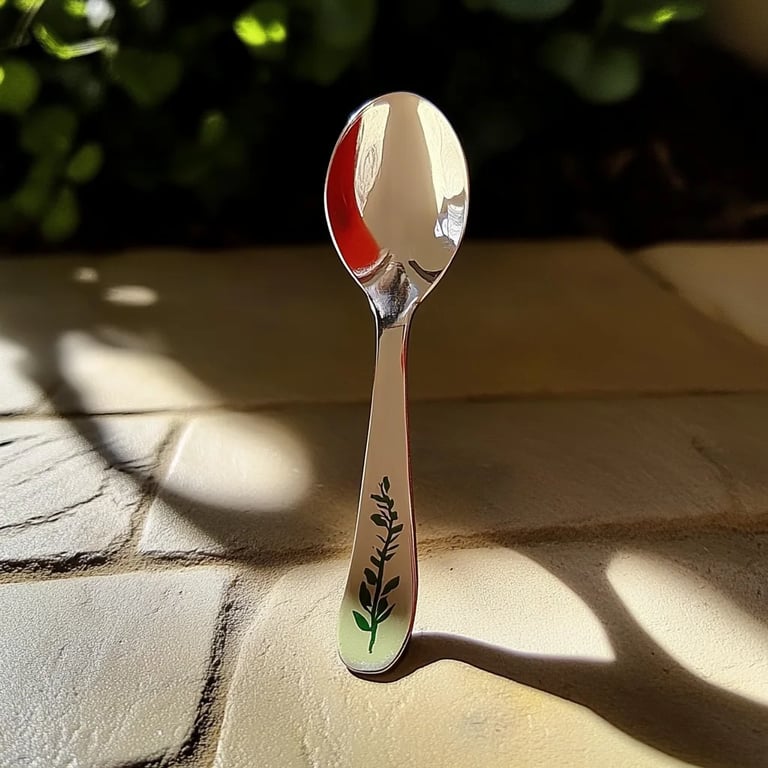
Garden spoon markers are an incredible way to bring organization and style to your garden. These markers not only help you identify your plants but also add a charming aesthetic to your outdoor space. Whether you have a small herb garden or a large vegetable patch, using spoon markers can enhance your gardening experience. Imagine walking through your garden, seeing beautifully marked rows of herbs and vegetables, each with a personal touch. It transforms the gardening experience from simple planting to an art form.
If you're a passionate gardener or someone who enjoys spending time in green spaces, garden spoon markers can be an essential tool. They offer a creative way to label your plants while embracing the beauty of nature. Made from materials that reflect your style, spoon markers can be customized in countless ways. You can use painted, engraved, or even decorated spoons to represent various plants—making them not only functional but also visually appealing.
In this guide, you’ll discover several reasons why garden spoon markers should find a place in your garden. You will learn about their preparation, materials, and tips on how to create your own unique markers. Get ready to dive into the world of garden spoon markers and elevate your gardening game!
Why You’ll Love Garden Spoon Markers
Garden spoon markers are not just practical; they offer several fantastic benefits that make gardening more enjoyable. Here’s what you can look forward to:
- Personal Touch: Customize each marker to reflect your personality. You can create designs or messages that resonate with you.
- Durability: Spoons, especially those made from stainless steel, are robust and can withstand the elements.
- Eco-Friendly Option: Repurposing spoons contributes to sustainability and reduces waste.
- Visibility: The shine of metal spoons stands out against the earthy tones of soil and plants, making it easier to locate plants quickly.
- Budget-Friendly: Spoons are often inexpensive or available from thrift stores, making this a cost-effective gardening solution.
- Versatile: Use them for any type of plant, including flowers, herbs, and vegetables. They're perfect for both indoor and outdoor gardens.
With all these amazing aspects, garden spoon markers can elevate not just the aesthetics of your garden but also your overall gardening experience.
Preparation and Creation Time
Preparing your garden spoon markers can be a fun and straightforward process. Overall, you can expect to spend about 1-2 hours, depending on your design choices. Here’s a breakdown of the time involved:
- Preparation Time: 30 minutes
- Creation Time: 1 hour
- Drying Time (if applicable): 30-60 minutes
These time estimates can vary based on the complexity of your designs and the number of markers you wish to create.
Materials Needed
Here’s a list of materials you’ll need to create your own garden spoon markers:
- Unused or repurposed metal spoons (stainless steel or aluminum)
- Permanent markers or paint (for decorating)
- Paintbrush (if using paint)
- Sandpaper (if preparing the surface for painting)
- Glue (for attaching embellishments if desired)
Gathering these materials will set you up for a creative and enjoyable crafting session.
Step-by-Step Instructions
Creating your garden spoon markers is an enjoyable process! Follow these easy steps to get started:
- Select Your Spoons: Choose spoons that suit your design aesthetic. Any unused or old spoons can work well.
- Clean the Spoons: Wash and dry your spoons thoroughly to remove any residue or dirt. This step ensures that paint or markers adhere well.
- Prepare the Surface: Use sandpaper to lightly scratch the surface if you plan to paint. This helps the paint stick better.
- Decorate:
- If using permanent markers: Write the names of plants directly on the spoon.
- If using paint: Apply a base coat and allow it to dry before adding details or plant names.
- Add Embellishments (optional): Glue small decorative items onto the spoons to personalize them further.
- Let Dry: If you used paint, allow your markers to dry completely before placing them in your garden.
- Place in Garden: Once dry, insert the markers into the soil next to your plants for easy identification.
- Enjoy Your Garden: Step back and admire your handiwork!
With these steps, you can create beautiful and unique garden spoon markers.
How to Serve
When it comes to utilizing your garden spoon markers effectively, here are some tips:
- Placement: Insert the markers near your plants, ensuring they are easily visible. They should be secure enough not to topple over in the wind.
- Design Consistency: For a cohesive look, try to maintain a similar theme across all your markers, such as color schemes or font styles.
- Seasonal Updates: Change the markers with the seasons. If you rotate crops or add new plants, refresh the markers accordingly.
- Garden Tours: Use your markers as conversation starters during garden tours. Share the stories behind each plant and its marker.
- Maintenance: Periodically check the markers to ensure they're intact and replace those that may have worn out or faded.
By following these tips, you can ensure your garden spoon markers remain effective and visually appealing, enhancing the overall beauty of your garden.
Additional Tips
- Rotate Spoons: If you have multiple plants of the same type, use different spoons for each variety. This helps in distinguishing between them.
- Consider Weather Resistance: If you live in a region with heavy rainfall or extreme sun, consider using additional coatings on your markers to enhance durability.
- Involve the Family: Get kids or family members involved in the design process. This is a wonderful way to bond and engage with gardening as a team.
- Seasonal Decor: Change up the decoration themes as seasons transition. For instance, use festive designs for holidays or seasonal flowers for spring.
Recipe Variation
Get creative with your garden spoon markers! Here are some fun variations to explore:
- Herb-Specific Designs: Create markers with illustrations or poems about each herb’s usage.
- Nature Themes: Incorporate natural elements, like twigs or dried flowers, to embellish the spoons.
- Color-Coordinated Systems: Use color coding for different types of plants, such as green for herbs and red for vegetables.
Freezing and Storage
- Storage: When not in use, keep the garden spoon markers in a moisture-free area. Oily surfaces may affect paint, so keeping them clean is ideal.
- Replacement: If any markers fade or break, consider replacing them based on seasonal requirements. They are easily re-done or re-created.
Special Equipment
While making garden spoon markers is straightforward, you might find the following tools helpful:
- Pliers: Useful for bending or shaping spoons if desired.
- Clear Sealant: A spray or paint-on sealant can help protect your designs from weather damage.
- Paint Tapes: To create clean edges while painting or detailing your markers.
Frequently Asked Questions
What types of plants can I use garden spoon markers for?
Garden spoon markers work well for any type of plant, including herbs, flowers, and vegetables!
Can I wash the markers?
It's best to wipe them down with a damp cloth instead of soaking them to maintain their designs.
How long will the decorations last?
Durability depends on your materials and local weather conditions. Generally, they can last a full growing season with proper care.
What if I want to change the plant names later?
You can easily paint over or remove the earlier names, following the same preparation steps.
Are there alternatives to spoons for labeling?
Absolutely! You can also use stones, wooden stakes, or recycled materials for labeling in your garden.
Conclusion
Garden spoon markers are an innovative and creative way to add organization and a personal touch to your gardening experience. They are not only functional but also serve as decorative elements that can enhance the beauty of your outdoor space. By customizing them to reflect your personality and style, you can create a unique atmosphere in your garden. With a little effort, you can transform mundane plant labeling into a delightful part of your gardening journey!