Fizzy Science Experiment: A Fun and Educational DIY Project for Everyone
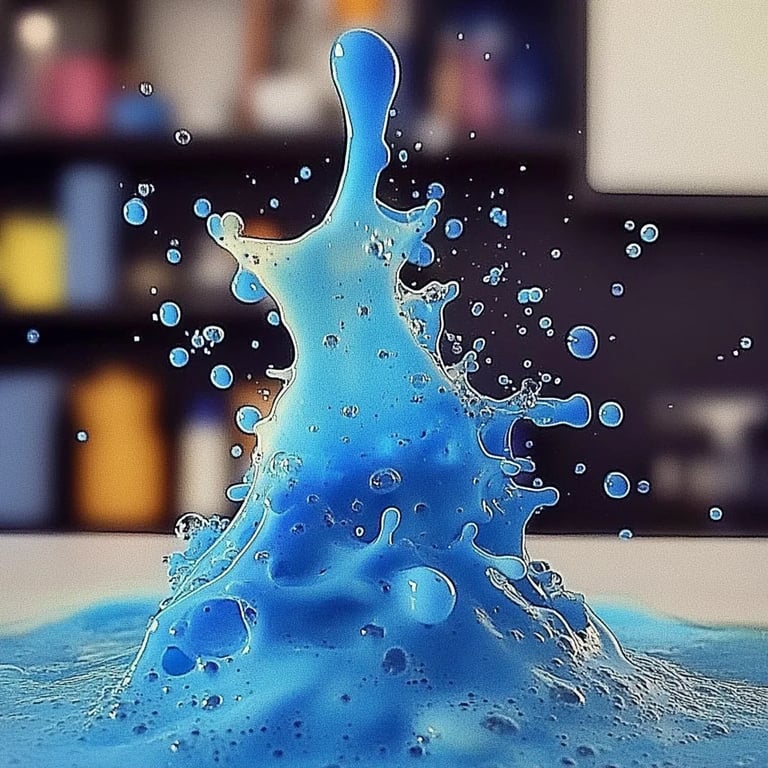
Greetings, craft enthusiasts! Today, I'm thrilled to share one of my absolute favorite science experiments that combines fun, education, and a little bit of magic all in one—making a fizzy science experiment! This project is perfect for kids, families, or even adults seeking a unique way to engage with science. Whether for a birthday party, a family gathering, or simply a rainy day, this activity is loved by both educators and parents alike.
So what exactly is a fizzy science experiment? Put simply, it typically involves creating a reaction that produces gas, resulting in a delightful fizzing effect, usually achieved with baking soda and vinegar or a similar combination. The best part? It’s easy to set up, requires minimal materials, and can be customized in countless ways!
Why This Experiment Is So Popular
Fizzy science experiments are all the rage among families and educators for a few reasons:
- Engagement: Children and adults alike are captivated watching the effervescence and reactions unfold before their eyes.
- Learning: It’s not just about the fizz! This project offers lessons in chemistry, such as acid-base reactions, the nature of gases, and even scientific observation.
- Creativity: You can build onto the basics, incorporating colors, sounds, and more thematic elements, turning a simple experiment into an innovative project.
So, let's dive into this hands-on activity that’s guaranteed to bring smiles and awe!
Materials Needed
Before we begin, let's gather the materials needed for our fizzy science experiment. Most of these should be easily accessible either in your pantry or the local grocery store:
Basic Materials
- Baking Soda: 1-2 tablespoons (This acts as your base.)
- Vinegar: 1 cup (Acidic agent that reacts with the baking soda.)
- Food Coloring: Optional (Just for a visual twist!)
- Clear Plastic Cups or Bowls: For mixing and observing the reaction.
- Measuring Spoons: For accurate measurements.
- Dropper or Squeeze Bottle: To control the vinegar application.
- Tray or Large Shallow Dish: To catch potential overflow.
Optional Materials
- Dish Soap: A few drops can increase foaminess!
- Essential Oils: A few drops for fragrance (lavender or lemon work wonders).
- Glitter: For some sparkle in your fizzy concoction.
Step-by-Step Guide to Create Your Fizzy Science Experiment
Step 1: Prepare Your Workspace
First things first, I suggest laying down some newspaper or working outside if weather permits. This experiment can get a bit messy due to the overflow of fizz, which just adds to the fun!
Step 2: Make the Baking Soda Mixture
In a clear plastic cup or bowl, scoop 1-2 tablespoons of baking soda. This is where the fizz will begin! If you'd like to add a bit of color, sprinkle in a few drops of food coloring into the baking soda. Give it a little mix with a spatula or spoon.
Step 3: Set the Scene
Place your baking soda cup in the center of the tray. If you'd like to make this more visually appealing, consider layering it with glitter or decorative elements at the bottom.
Step 4: Prepare the Vinegar
In a separate container, measure out one cup of vinegar. If you choose to make a foamier fizz, add a few drops of dish soap and mix gently. The soap creates more bubbles, resulting in a delightful frothy effect!
Step 5: Adding the Vinegar
Here's where the magic happens! Using your dropper or squeeze bottle, you can slowly add vinegar to the baking soda mixture. For a more dramatic effect, pour it in quickly! Make sure to step back as the fizz will erupt out of the container!
Things That Could Go Wrong
- If nothing happens, you likely didn’t mix enough baking soda with vinegar. Ensure that you’ve used the right ratios!
- If the fizz seems too low, perhaps you haven’t added enough vinegar or baking soda. Start with about 1 tablespoon of baking soda and ½ cup of vinegar, adjusting from there.
- Watch out for overly vigorous reactions that can lead to spills! It’s best to start with smaller quantities and adjust as needed.
Step 6: Observe and Discuss
As you marvel at the fizzy eruption, take this opportunity to discuss what’s happening with your experiment! The reaction between the baking soda (a base) and vinegar (an acid) produces carbon dioxide gas, which creates the fizz. This is a perfect chance to introduce basic chemical concepts!
Tips and Tricks for Success
- Safety: Always supervise children during this experiment, especially younger ones. While there's no toxic ingredient, the excitement can lead to spills and slips!
- Clean Up: Vinegar and baking soda are easy to clean with water, but you may want to let the mess sit for a moment if it’s a big fizzy pile—watch and enjoy the reaction before cleaning it up!
- Variations: Try using other fizzy combinations like lemon juice and baking soda, or add vinegar to different colored solutions for a multi-colored effect.
- Scale Up: Create larger or themed projects by using bigger containers or layering different colors for a more visual impact, like a "volcano" effect using a tall glass.
- Record Your Findings: For a scientific twist, encourage kids to record their observations. Ask questions like: "What did you notice first?" or "How did the color change?"
Conclusion
I hope you are as excited as I am to try this fizzy science experiment! It's not just a fun activity but a fantastic way to engage with science at home. The giggles, oohs, and ahhs are a testament to its success!
Remember, while the main ingredients—baking soda and vinegar—are easily available, the variations and adaptations you can create are limitless. Whether you're hosting a rainy-day activity or a vibrant party for children, this project promises to delight all ages. So go ahead, let your imagination run wild and take the plunge into the world of fizzy science! Happy experimenting!