Fizzing Colorful Science Experiment: A Explosive (and Fun) DIY Adventure!
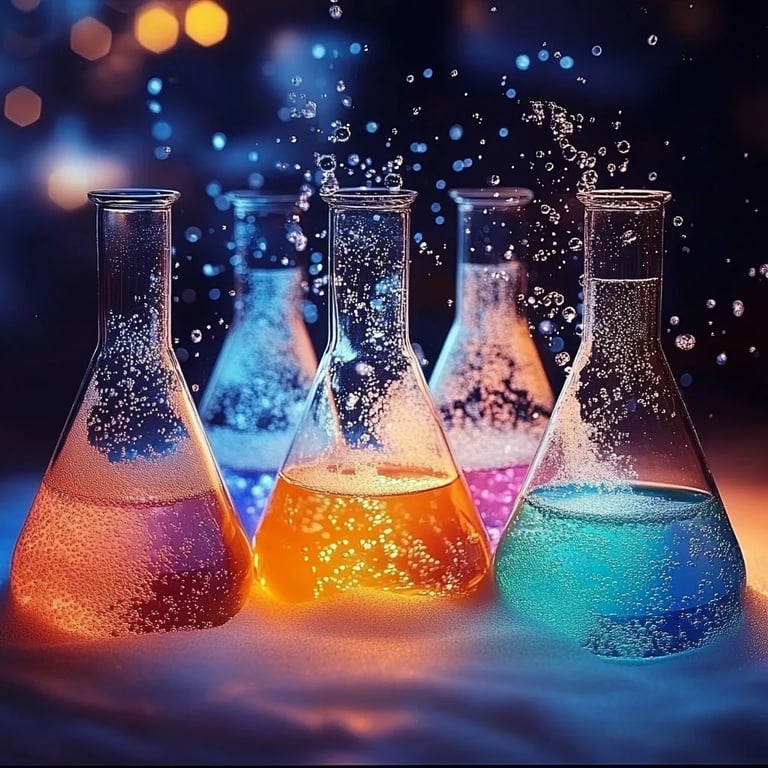
Hello, fellow crafters and science enthusiasts! Today, I’m thrilled to share one of my all-time favorite hands-on science experiments that never fails to impress kids and adults alike: the Fizzing Colorful Science Experiment! This delightful activity combines art and science, showcasing vibrant colors and fizzy reactions. Perfect for classrooms, birthday parties, or even a cozy day at home, this project is not only entertaining but educational too—making it a favorite in my crafting repertoire.
Why Fizzing Colorful Science Is So Popular
The Fizzing Colorful Science Experiment is a hit because it captivates the senses. The excitement of watching baking soda and vinegar react to create tons of bubbles accompanied by a colorful twist appeals to all ages. I’ve seen how it can ignite a spark of curiosity in children, encouraging them to ask questions about chemical reactions while having loads of fun. It's perfect for occasions such as:
- Birthday Parties: A fun activity to keep little hands busy.
- Classroom Settings: A practical demonstration of scientific principles.
- Home Entertainment: A simple way to liven up an afternoon with family.
Ready to dive into this vibrant world? Let’s get started!
Materials You'll Need
Before we jump into the tutorial, let’s gather our materials. I love that the ingredients are easy to find and thread the needle between educational and entertaining:
- Baking Soda (1/2 cup) – The star of our fizzy reaction.
- Vinegar (1 cup) – The catalyst that brings the fizz to life.
- Food Coloring – Choose a variety of colors—get creative! (I recommend red, blue, yellow, and green.)
- Small Containers/Plastic Cups – For mixing and pouring.
- Spoon or Stirrer – For combining the baking soda and colors.
- Tray or Baking Sheet – To catch any overflow and keep the mess contained (trust me, it can get bubbly!).
- Optional: Liquid dish soap (1-2 tablespoons) to enhance the fizz.
Step-by-Step Tutorial
Step 1: Prep Your Workspace
Start by choosing a suitable area to work, preferably one that can handle mess. Lay down some newspaper or an old tablecloth to protect your surfaces. This is a messy experiment, so ensuring the area is clean before we begin can save you a headache later.
Step 2: Color Your Baking Soda
In your small containers or plastic cups, distribute the baking soda evenly. I typically use around 1-2 tablespoons of baking soda per color. Add your chosen food coloring to each container, mixing well to fully coat the baking soda.
Why This Step Matters: This preparation helps to create vibrant colors during the fizzing reaction; the more evenly mixed, the better!
Tip: If you find that the color isn't as bright as you'd like, you can always add more food coloring!
Step 3: Set Up Your Tray
Carefully transfer the containers with colored baking soda onto your tray or baking sheet. This is where the fun is going to unfold!
Step 4: Prepare the Vinegar Mixture
In a separate bowl, mix the vinegar with a few drops of food coloring. This will intensify the colors during the fizzing reaction. If you wish to add dish soap, now’s the time—approximately one tablespoon should do the trick!
Why Add Dish Soap? The soap creates more bubbles, making the reaction feel even more spectacular.
Step 5: The Fizzing Action!
Pour the colored vinegar mixture onto the colored baking soda in individual cups. I recommend pouring gradually so you can watch the reaction unfold.
What to Expect: Almost immediately, you’ll witness a colorful eruption! The acidity of the vinegar reacts with the baking soda (which is basic), producing carbon dioxide gas and causing the fizzing effect.
Common Issues: If the fizz isn’t as explosive as expected, it might be due to not using enough vinegar. Just pour a bit more, and watch the magic happen!
Step 6: Experiment with the Results
Feel free to mix and match containers as you create different color fizzes! You could make a rainbow pattern or layer colors for a visually stunning result.
Tips for a Successful Experiment
- Safety Warnings: This experiment is safe but still supervise children closely to avoid any accidents, especially if you're using food coloring that could stain surfaces.
- Alternative Methods/Ingredient Substitutions: If you don’t have food coloring, you can use natural dyes from fruits or vegetables (like beet juice or turmeric) for a more eco-friendly option!
- Creative Variations: Use different containers like bottles for a volcano effect, or try mixing essential oils for delightful scents during your experiment.
Possible Problems and Fixes
- If it’s Too Bubbly: Consider reducing the amount of vinegar or baking soda slightly. A small adjustment can make a huge difference.
- Lack of Color: Ensure you’re using enough food coloring and mix thoroughly. Sometimes, overly diluted colors can lose their vibrancy.
- Sustainability Issues: If you’re concerned about waste, you can try reusing the mixture for a slower fizz after initially reacting, mixing less vinegar a second time.
Final Thoughts
As we wrap up this colorful journey, I hope you feel inspired to try out the Fizzing Colorful Science Experiment at home! Remember, the essence of this project isn't just in the fizzing colors, but in the joy of exploring science and creativity. Happy crafting and experimenting—may your fizz be plentiful and your colors bright!
Feel free to drop a picture of your experiment or share your thoughts in the comments below! I’m always here to support your crafting adventures!